


عقد مجلس الشورى جلسته العادية السابعة عشرة من أعمال السنة الثانية للدورة التاسعة، برئاسة رئيس المجلس الدكتور عبدالله بن محمد بن إبراهيم آل الشيخ، حيث أصدر حزمة من القرارات والتوصيات الهامة التي تستهدف رفع كفاءة الأداء في عدد من القطاعات الحيوية، وعلى رأسها التعليم الجامعي والمشاريع البيئية الكبرى. وتأتي هذه القرارات في إطار الدور الرقابي والتشريعي للمجلس لدعم مسيرة التنمية الشاملة التي تشهدها المملكة، وضمان توافق خطط الجهات الحكومية مع مستهدفات رؤية المملكة 2030.
تعزيز الاستدامة البيئية في المشاريع الكبرى
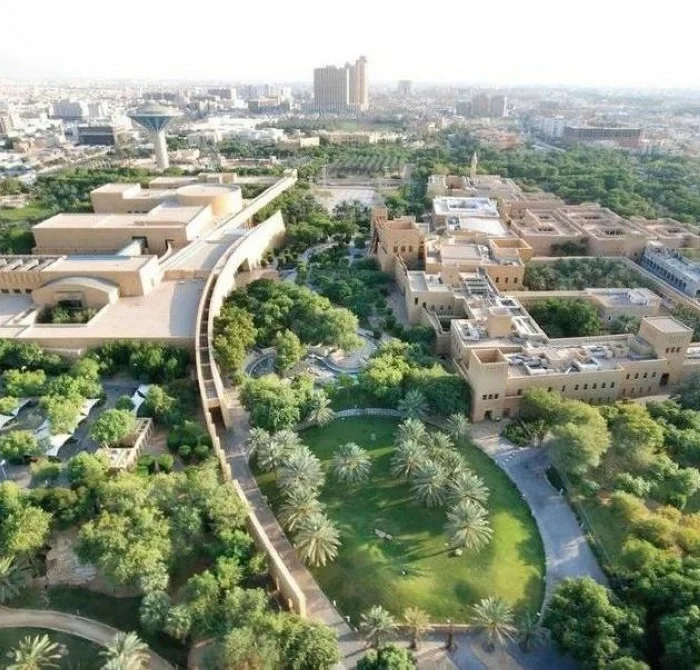
في مستهل الجلسة، وجه المجلس قراراته نحو مؤسسة حديقة الأمير محمد بن سلمان، مطالباً إياها بالإسراع في إنجاز خطتها الإستراتيجية. وشدد المجلس على ضرورة إعداد دراسات بيئية معمقة لمنطقة المشروع، بهدف تحديد المشاريع التي تتلاءم مع الطبيعة الحساسة للموقع. كما دعا المجلس المؤسسة إلى تعزيز التنسيق والتكامل مع برنامج “الرياض الخضراء” والجهات ذات العلاقة، لتبادل الخبرات وتطبيق أفضل الممارسات العالمية. ويعد هذا التوجه جزءاً لا يتجزأ من مستهدفات مبادرة السعودية الخضراء ورؤية المملكة 2030 التي تضع جودة الحياة وحماية البيئة في مقدمة أولوياتها لتحويل العاصمة إلى واحدة من أكثر المدن استدامة عالمياً، مما يعكس التزام المملكة بالمعايير البيئية الدولية في مشاريعها الترفيهية والسياحية.
تطوير الأداء الأكاديمي والمؤسسي في جامعة جازان
وفي الشأن التعليمي، ناقش المجلس التقرير السنوي لجامعة جازان، حيث دعا الأعضاء الجامعة إلى تبني خطط فاعلة لاستقطاب الكفاءات الأكاديمية وتوطينها، بما ينعكس إيجاباً على جودة المخرجات التعليمية والإدارية. وطالب المجلس بإعادة هيكلة فروع الجامعة وفق نماذج تشغيلية حديثة تراعي الميز النسبية لكل محافظة في المنطقة، مما يعزز من دور الجامعة في التنمية المناطقية وربط التعليم باحتياجات سوق العمل المحلي.
كما تضمنت التوصيات الدعوة لإنشاء كراسي بحثية متخصصة تدعم الأهداف الإستراتيجية للجامعة في البحث العلمي والتنمية المجتمعية، بالإضافة إلى تعزيز الشراكات مع القطاعات الصناعية والمؤسسات الدولية. وشدد المجلس على أهمية العمل بجدية نحو التحول لنظام الجامعات الجديد، الذي يمنح استقلالية ومرونة أكبر للمؤسسات الأكاديمية، معتبراً ذلك ضرورة ملحة لرفع التنافسية وليس مجرد خيار، خاصة في ظل توفر البنية التحتية اللازمة.
جامعة أم القرى: بوابة للقوة الناعمة والمعرفية
وفيما يخص جامعة أم القرى، ركزت توصيات المجلس على ضرورة استثمار المكانة الدينية والجغرافية الفريدة لمكة المكرمة. وطالب المجلس الجامعة بتشجيع التعاون البحثي المنظم من خلال معهد خادم الحرمين الشريفين لأبحاث الحج والعمرة، واستقطاب باحثين ذوي سجل علمي مرتفع التأثير، لنشر المخرجات في دوريات عالمية مرموقة.
كما أكد الأعضاء على أهمية تحويل خصوصية مكة المكرمة إلى منظومة جذب وتأثير عالمي من خلال استقطاب الطلبة الدوليين، مشيرين إلى أن ذلك لا يعد نشاطاً تعليمياً تقليدياً فحسب، بل خياراً إستراتيجياً لبناء القوة الناعمة للمملكة. ويأتي ذلك انسجاماً مع برنامج “ادرس في السعودية”، حيث تعد الجامعة بوابة حضارية لنقل التجربة السعودية وقيم الاعتدال والانفتاح إلى العالم الإسلامي، مما يتطلب تطوير برامج أكاديمية نوعية وشبكة خريجين عالمية فاعلة، تساهم في تعظيم الأثر الدبلوماسي والثقافي للتعليم السعودي.