


السعودية تؤكد دعمها للمبادرات الدولية لمكافحة تدهور الأراضي والجفاف وتعزيز الاستدامة البيئية
جددت المملكة العربية السعودية التزامها بدعم المبادرات الدولية الرامية إلى مكافحة تدهور الأراضي والجفاف وتعزيز الاستدامة البيئية، مؤكدة استمرار دورها في حماية النظم البيئية وصون الموارد الطبيعية ضمن مقاربة قائمة على الشراكة الدولية وتكامل الأدوار الوطنية والإقليمية.
سياق مجموعة العشرين: منصة لتنسيق الجهود البيئية
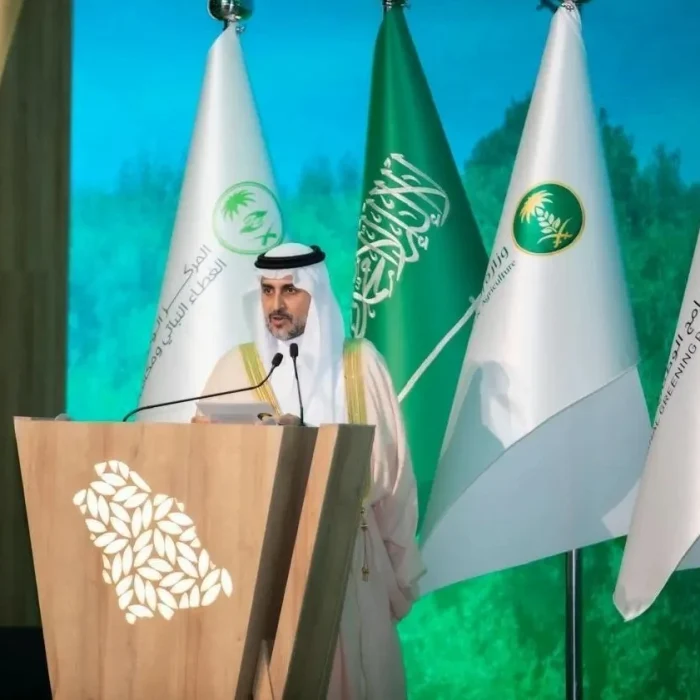
جاء التأكيد السعودي خلال الاجتماع الوزاري لوزراء البيئة والتغير المناخي لمجموعة العشرين الذي عُقد في كيب تاون بجنوب أفريقيا يومي 16 و17 أكتوبر، بمشاركة وفد رفيع برئاسة وكيل وزارة البيئة والمياه والزراعة للبيئة الدكتور أسامة فقيها. ويُعد الاجتماع إحدى أهم منصات تنسيق السياسات بين الاقتصادات الكبرى بشأن قضايا المناخ والتنوع الحيوي وإدارة الموارد الطبيعية، حيث تُناقش الدول الأعضاء سُبل تعزيز التعاون الدولي لمواجهة التحديات البيئية العابرة للحدود.
مرتكزات وطنية وإقليمية: من «السعودية الخضراء» إلى «الشرق الأوسط الأخضر»
أشار الدكتور فقيها إلى أن المملكة تبنت على المستويات الوطني والإقليمي والدولي حزمة مبادرات وسياسات تُعزز حماية البيئة، من أبرزها «السعودية الخضراء» و«الشرق الأوسط الأخضر» اللتان تضعان إطاراً تنفيذياً للتشجير ومكافحة التصحر وإعادة تأهيل الأراضي. كما اعتمدت المملكة الاستراتيجية الوطنية للبيئة وأطلقت برامج للتوسع في التشجير، ومبادرات للحد من تدهور الأراضي، ورفعت نسبة المناطق المحمية بأكثر من 400% بما يدعم صون التنوع الحيوي واستدامة الموائل الطبيعية.
وتتكامل هذه الجهود مع دور المملكة في مجموعة العشرين، حيث أسهمت خلال رئاستها للمجموعة في عام 2020 في إطلاق المبادرة العالمية للحد من تدهور الأراضي، والمبادرة العالمية للشعاب المرجانية، ما عزز الإطار الدولي للتعامل مع تحديات النظامين البري والبحري على حد سواء.
COP16 في الرياض: قرارات عملية ومسارات تنفيذ
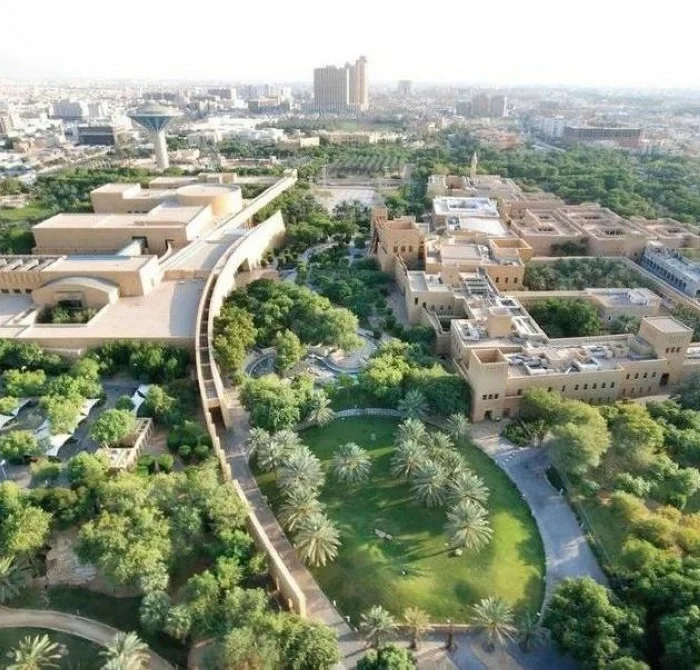
أبرزت المملكة تحولاً نوعياً في مسار القضايا البيئية الدولية من خلال استضافة مؤتمر الأطراف السادس عشر لاتفاقية الأمم المتحدة لمكافحة التصحر (COP16) في الرياض أواخر 2024، والذي شهد أكبر مشاركة دولية منذ اعتماد الاتفاقية. وخرج المؤتمر بـ«إعلان الرياض» وأكثر من 35 قراراً دولياً لتعزيز حماية الأراضي الزراعية وأراضي المراعي، وتمكين دور المجتمعات المحلية، ودعم البحث والتطوير والابتكار، إضافة إلى إطلاق قرابة 40 مبادرة ضمن «أجندة الرياض». ومن بين أبرز المخرجات «شراكة الرياض العالمية من أجل الصمود في مواجهة الجفاف»، التي تستهدف تعزيز التنسيق الدولي وبناء قدرات التعافي من آثار الجفاف.
تحليل: دلالات الموقف السعودي وتوسيع نطاق الأثر
يتقاطع هذا المسار مع حاجة الاقتصاد العالمي إلى نماذج تمويل مرنة ومبتكرة تعالج فجوة تمويل استعادة الأراضي وإدارة الجفاف، مع ضمان صلابة المعايير البيئية. ويُقرأ الحضور السعودي النشط في منصات G20 والاتفاقيات الأممية باعتباره نهجاً عملياً يربط التعهدات بالبرامج التنفيذية، من خلال أدوات تشمل التشجير الموجّه، وإعادة التأهيل البيئي، والحلول القائمة على الطبيعة، وآليات الشراكة مع القطاعين العام والخاص.
على مستوى السياسات، يعزز اتساق المبادرات الوطنية والإقليمية والدولية قدرة المملكة على تسريع نقل المعرفة وتوحيد المقاييس في رصد تدهور الأراضي وقياس فعالية التدخلات. كما يتيح الزخم المؤسسي المتولد عن COP16 و«أجندة الرياض» تطوير أطر للمتابعة والتقييم، وتوسيع نطاق المشروعات في المناطق الأكثر تعرضاً للجفاف والتصحر.
وجهات نظر دولية: توازن بين الطموح والواقعية
ترى أطراف دولية أن التحدي الرئيس يكمن في تحويل الالتزامات إلى مشاريع قابلة للقياس والتوسع، مع ضمان مشاركة المجتمعات المحلية ودمج المعرفة التقليدية بالحلول التقنية الحديثة. ويشدد خبراء آخرون على أهمية الحوكمة والشفافية في اختيار المواقع ذات الأولوية واستهداف التمويل، ومواءمة تدخلات استعادة الأراضي مع احتياجات الأمن الغذائي والمائي.
ضمن هذا الطيف من الآراء، يبرز الدور السعودي في تجسير الفجوة بين الرؤى العالمية ومتطلبات التنفيذ الإقليمي، عبر مبادرات تُراعي خصوصية النظم البيئية في الشرق الأوسط وشمال أفريقيا، وتدفع باتجاه شراكات عابرة للقطاعات والحدود.
آفاق التعاون: من التزامات G20 إلى تطبيقات محلية موسّعة
يؤسس التأكيد السعودي في اجتماع كيب تاون لمسار عمل يركز على تعزيز المرونة المناخية، ورفع كفاءة إدارة الأراضي، وتحسين جاهزية القطاعات المنتجة لموجات الجفاف. وبالاقتران مع المبادرات التي أطلقتها المملكة خلال رئاستها لمجموعة العشرين، والاكتساب المؤسسي الناتج عن COP16، تتعزز فرص تعميم الحلول التي أثبتت فاعليتها، وتوسيع نطاق التمويل المختلط، وتطوير الأدوات الرقمية لرصد التغيرات على مستوى استخدامات الأراضي.
خلاصة
يؤكد موقف المملكة في مجموعة العشرين مساراً ثابتاً يقوم على التعاون الدولي، والحلول القائمة على الطبيعة، والحوكمة الفعالة لمكافحة تدهور الأراضي والجفاف. ومع استمرار البناء على مخرجات الرياض وتفعيل الشراكات، تتقدم فرصة تحويل التوافقات السياسية إلى برامج تُحسّن قدرة النظم البيئية والمجتمعات على الصمود، وتُسهم في تنمية مستدامة أكثر توازناً للأجيال الحالية والقادمة.