


المشهد الثقافي في السعودية: مسارات الحفظ والتطوير
حظيت الثقافة والتراث في المملكة العربية السعودية باهتمام واسع في عهد خادم الحرمين الشريفين الملك سلمان بن عبدالعزيز، باعتبارهما ركيزتين أساسيتين في تعزيز الهوية الوطنية، وقطاعاً واعداً في رؤية المملكة المستقبلية. وجاءت سياسات وزارة الثقافة وهيئاتها لتترجم هذا الاهتمام عبر برامج ومبادرات تسعى إلى صون التراث وتعزيز الهوية الثقافية، مع الانفتاح على التجارب العالمية والانخراط في المشهد الثقافي الدولي.
برامج نوعية لتعزيز الهوية الثقافية
من أبرز المبادرات التي أطلقتها الوزارة برنامج الابتعاث الثقافي، الذي يتيح لطلاب المدارس الالتحاق بمؤسسات ثقافية متخصصة خارج المملكة، في خطوة تهدف إلى صقل المهارات وتعزيز الكفاءات الوطنية في مجالات الفنون والمعارف الإنسانية. هذه المبادرة تشكل رافداً لجهود طويلة الأمد في بناء رأس مال بشري مؤهل، قادر على المشاركة في صياغة مستقبل المشهد الثقافي السعودي.
الفنون والحوار الثقافي
شهدت المرحلة الأخيرة زخماً ملحوظاً في تنظيم فعاليات تركز على الفنون المعاصرة والفنون الإسلامية، بما يعكس سعي المملكة إلى إيجاد توازن بين الأصالة والمعاصرة. كما جرى تعزيز الحوار الثقافي مع دول العالم، في إطار دبلوماسية ناعمة تقوم على تبادل المعارف والفنون، بما يسهم في تعزيز مكانة السعودية كلاعب ثقافي فاعل على المستوى الدولي.
دعم صناعة الأفلام
في السياق ذاته، حظي قطاع صناعة الأفلام بدعم متزايد، من خلال تحفيز الشركات والمستثمرين على دخول المجال وتطوير محتواه، وهو ما يندرج ضمن توجه استراتيجي يهدف إلى بناء صناعة ثقافية واقتصادية مستدامة. ويبرز في هذا الإطار مهرجان البحر الأحمر السينمائي، الذي انعقد في مدينة جدة التاريخية “البلد”، المدرجة على قائمة التراث العالمي لليونسكو. المهرجان مثّل منصة لإبراز “سينما السعودية الجديدة” وإبراز حضورها في الساحة العالمية.
المساجد التاريخية والهوية العمرانية
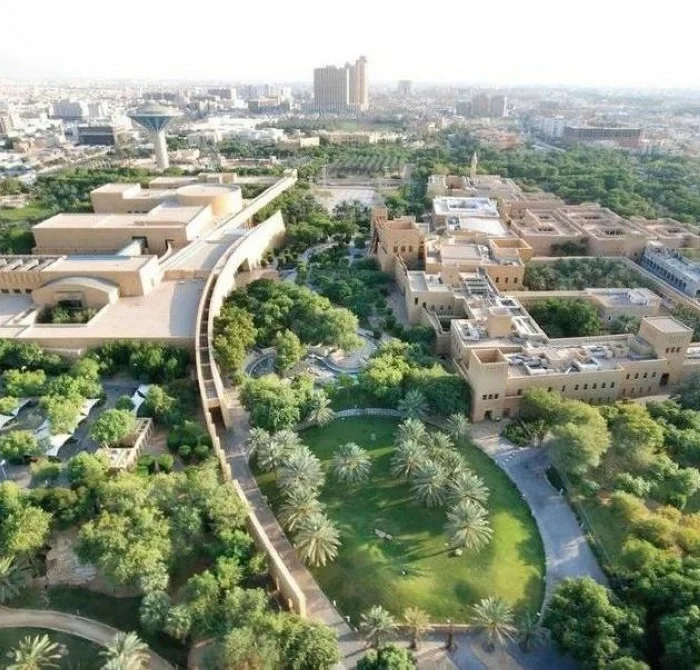
إلى جانب الفعاليات الفنية، أطلق ولي العهد الأمير محمد بن سلمان مشروع تطوير المساجد التاريخية، الذي يهدف إلى الحفاظ على الهوية العمرانية المحلية وترسيخ جماليات العمارة السعودية. هذا المشروع يجمع بين البعد الروحي والبعد الثقافي، بما يعكس إدراكاً عميقاً للعلاقة بين التراث الديني والهوية الوطنية.
التراث الوطني وحماية المواقع الأثرية
على مستوى حماية المواقع الأثرية، أطلقت هيئة التراث مبادرة لإزالة التشوهات من المواقع التاريخية في مختلف مناطق المملكة. المبادرة تستهدف الحفاظ على الطابع الأصيل لهذه المواقع، ومعالجة الأضرار التي لحقت بها، بما يعزز من قيمتها التاريخية والثقافية. كما واصلت المملكة جهودها لتسجيل مزيد من المواقع على قائمة التراث العالمي لليونسكو، في خطوة تؤكد التزامها بالمعايير الدولية لحماية التراث.
التحليل والدلالات
تشير هذه التحركات إلى أن المملكة تسعى إلى بناء منظومة ثقافية متكاملة تجمع بين حفظ التراث والانفتاح على المستقبل، في إطار استراتيجيات التنمية الوطنية. فدعم الفنون وصناعة الأفلام لا ينفصل عن حماية العمارة التاريخية والمواقع الأثرية، بل يشكل مزيجاً يعكس رؤية شمولية للهوية الثقافية. كما أن تعزيز الحضور السعودي في المحافل الدولية من خلال التسجيل في اليونسكو وتنظيم المهرجانات يعزز صورة المملكة كقوة ثقافية صاعدة، توازن بين موروثها المحلي وحضورها العالمي.
خاتمة
يتضح أن المشهد الثقافي في السعودية يشهد تحولاً نوعياً يعكس رؤية استراتيجية، تقوم على تكامل البرامج التعليمية والفنية والتراثية. هذا التوجه يعزز مكانة المملكة ليس فقط كدولة ذات إرث حضاري عريق، بل أيضاً كفاعل أساسي في صياغة مستقبل الثقافة الإقليمية والدولية، بما يواكب التحولات الكبرى التي تشهدها المنطقة والعالم.