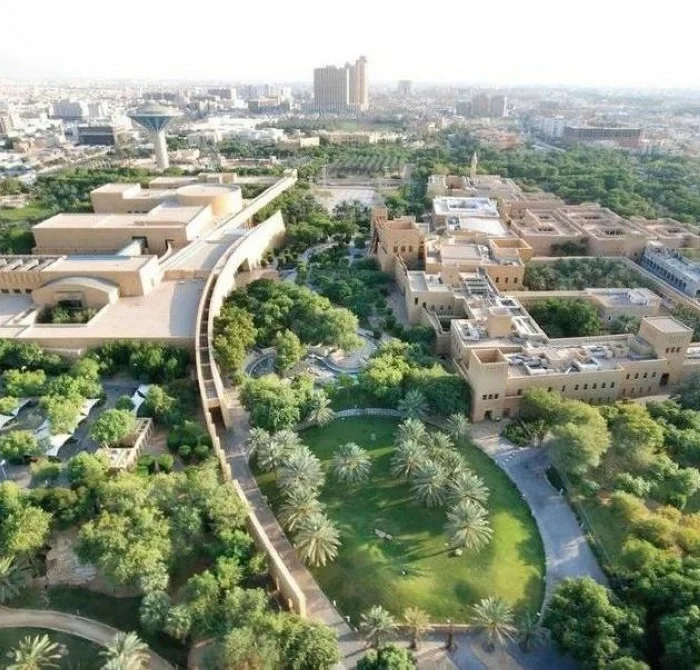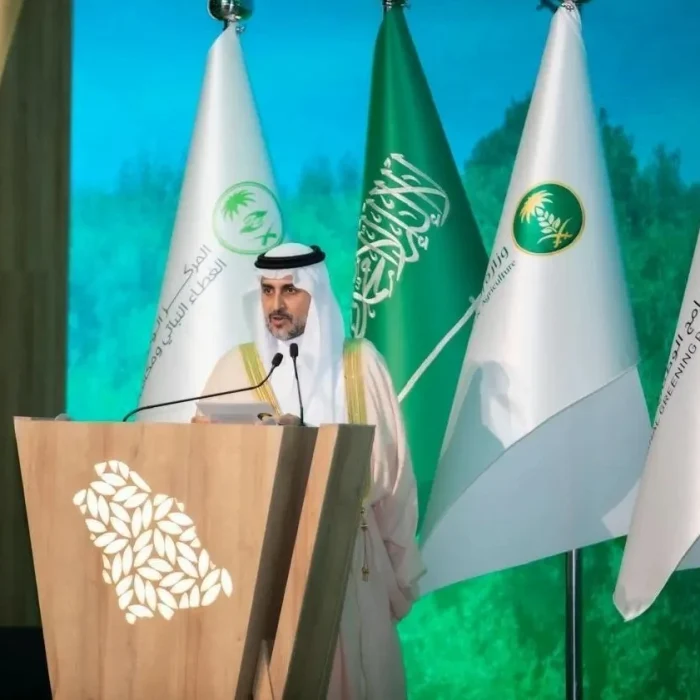


فازت المملكة العربية السعودية برئاسة المكتب التنفيذي لمجلس وزراء الإسكان والتعمير العرب، في خطوة تعكس الثقة الكبيرة التي توليها الدول العربية للدور الريادي الذي تقوم به المملكة في قطاع الإسكان والتنمية الحضرية. ويأتي هذا الانتخاب تتويجاً للجهود المستمرة التي تبذلها السعودية لتعزيز العمل العربي المشترك، وتأكيداً على نجاح تجربتها المحلية في تطوير منظومة الإسكان، والتي أصبحت نموذجاً يحتذى به على المستوى الإقليمي.
تعزيز العمل العربي المشترك في قطاع الإسكان
يعد مجلس وزراء الإسكان والتعمير العرب، الذي يعمل تحت مظلة جامعة الدول العربية، المنصة الرئيسية لتنسيق السياسات الإسكانية والعمرانية بين الدول الأعضاء. وتكتسب رئاسة المملكة للمكتب التنفيذي أهمية بالغة في هذا التوقيت، حيث تواجه المنطقة العربية تحديات متزايدة تتعلق بالنمو السكاني المتسارع والحاجة الملحة لتوفير سكن ملائم ومستدام. ومن المتوقع أن تقود السعودية، من خلال هذه الرئاسة، جهوداً مكثفة لتبادل الخبرات الفنية، وتوحيد الرؤى حول استراتيجيات التخطيط الحضري، وتفعيل الاستراتيجية العربية للإسكان والتنمية الحضرية المستدامة 2030.
انعكاس لنجاحات رؤية المملكة 2030
لا يمكن فصل هذا الإنجاز الدبلوماسي والتنفيذي عن النجاحات الداخلية التي حققتها المملكة ضمن برنامج الإسكان، أحد برامج رؤية المملكة 2030. فقد استطاعت السعودية خلال سنوات قليلة رفع نسبة تملك المواطنين للمساكن بشكل ملحوظ، وتطوير حلول تمويلية وسكنية مبتكرة، بالإضافة إلى تنظيم القطاع العقاري وسن التشريعات التي تضمن حقوق جميع الأطراف. هذه الخبرة المتراكمة ستكون ركيزة أساسية ستنقلها المملكة إلى أشقائها العرب، مما يساهم في رفع كفاءة قطاعات الإسكان في الدول العربية وتحسين جودة الحياة للمواطن العربي.
الأبعاد الاقتصادية والتنموية
تتجاوز أهمية هذا الحدث الجانب الإداري لتشمل أبعاداً اقتصادية وتنموية واسعة. فقطاع الإسكان والتعمير يعد محركاً رئيسياً للاقتصادات الوطنية، ورئاسة المملكة للمكتب التنفيذي ستفتح آفاقاً جديدة للتعاون الاستثماري بين الدول العربية في مجالات التشييد والبناء، وتطوير البنية التحتية، وتقنيات البناء الحديثة. كما سيعزز ذلك من فرص عقد الشراكات بين القطاعين العام والخاص على مستوى المنطقة، مما يدعم التنمية الاقتصادية الشاملة ويخلق فرص عمل جديدة للشباب العربي.
ختاماً، يمثل تولي المملكة العربية السعودية لهذا المنصب التزاماً متجدداً بدعم قضايا التنمية في العالم العربي، وسعياً حثيثاً نحو بناء مدن عربية مستدامة وذكية قادرة على مواجهة تحديات المستقبل وتلبية تطلعات الشعوب العربية في العيش الكريم.