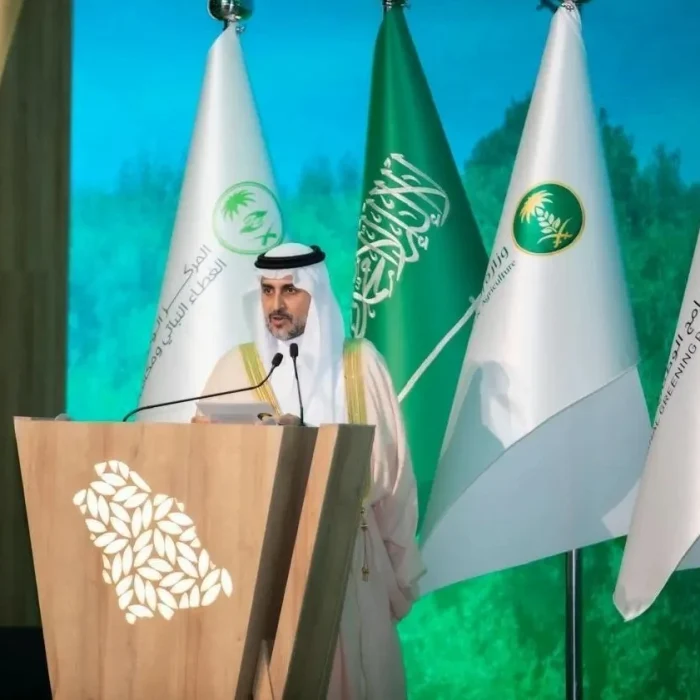



أكد المستشار بالديوان الملكي المشرف العام على مركز الملك سلمان للإغاثة والأعمال الإنسانية، الدكتور عبدالله بن عبدالعزيز الربيعة، أن المملكة العربية السعودية تولي اهتماماً بالغاً بحماية حقوق التوائم الملتصقة، وتسعى جاهدة لضمان اندماجهم الكامل في المجتمع ليمارسوا حياتهم بشكل طبيعي وآمن. وجاءت هذه التأكيدات لتبرز الدور الريادي الذي تلعبه المملكة في هذا الملف الإنساني والطبي المعقد، والذي تجاوز حدود العمليات الجراحية ليشمل الرعاية الشاملة والحقوق الإنسانية.
تاريخ حافل من الإنجازات الطبية والإنسانية
لا يمكن الحديث عن تصريحات الدكتور الربيعة بمعزل عن السجل التاريخي المشرف للبرنامج السعودي لفصل التوائم الملتصقة، الذي انطلق عام 1990م. فقد تحولت المملكة بفضل هذا البرنامج إلى وجهة عالمية ومرجعية طبية أولى في هذا التخصص الدقيق. وعلى مدار أكثر من ثلاثة عقود، قام البرنامج بدراسة مئات الحالات من عشرات الدول حول العالم، وأجرى عشرات العمليات الناجحة لفصل التوائم السيامية، مسجلاً بذلك أرقاماً قياسية وضعت الكفاءات الطبية السعودية في مصاف النخب العالمية.
أبعاد دولية واعتراف أممي
تكتسب هذه الجهود أهمية دولية كبرى، خاصة بعد اعتماد الأمم المتحدة لمبادرة المملكة بتخصيص يوم عالمي للتوائم الملتصقة. يعكس هذا الاعتراف الدولي نجاح الدبلوماسية الإنسانية السعودية في تسليط الضوء على هذه الفئة، والدعوة إلى تكاتف الجهود العالمية لتقديم الرعاية الطبية والنفسية والاجتماعية لهم. إن هذا الحراك لا يقتصر على الجانب الطبي فحسب، بل يرسخ مبادئ حقوق الإنسان من خلال ضمان حق هؤلاء الأطفال في الحياة والصحة والتعليم.
الرعاية الشاملة: ما بعد الجراحة
أشار الدكتور الربيعة في سياق حديثه إلى أن التزام المملكة لا يتوقف عند نجاح عملية الفصل الجراحي، بل يمتد ليشمل برامج التأهيل النفسي والبدني التي تضمن اندماج التوائم في مجتمعاتهم. تهدف هذه الرؤية الشاملة إلى تمكين التوائم وأسرهم من تجاوز التحديات الاجتماعية والاقتصادية المترتبة على حالتهم الصحية، مما يعكس جوهر الرسالة الإنسانية للمملكة التي لا تفرق بين لون أو عرق أو دين في تقديم المساعدة.
الريادة في ظل رؤية 2030
تأتي هذه الجهود متناغمة مع مستهدفات رؤية المملكة 2030، التي تركز على تعزيز جودة الحياة وتطوير القطاع الصحي، فضلاً عن تعزيز مكانة المملكة كقلب نابض للعالم الإسلامي وقوة إنسانية عالمية. إن استمرار النجاحات في برنامج فصل التوائم يعزز من القوة الناعمة للمملكة ويؤكد التزامها الراسخ بخدمة الإنسانية، مقدّمة نموذجاً يحتذى به في تسخير العلم والإمكانات لخدمة البشرية جمعاء.