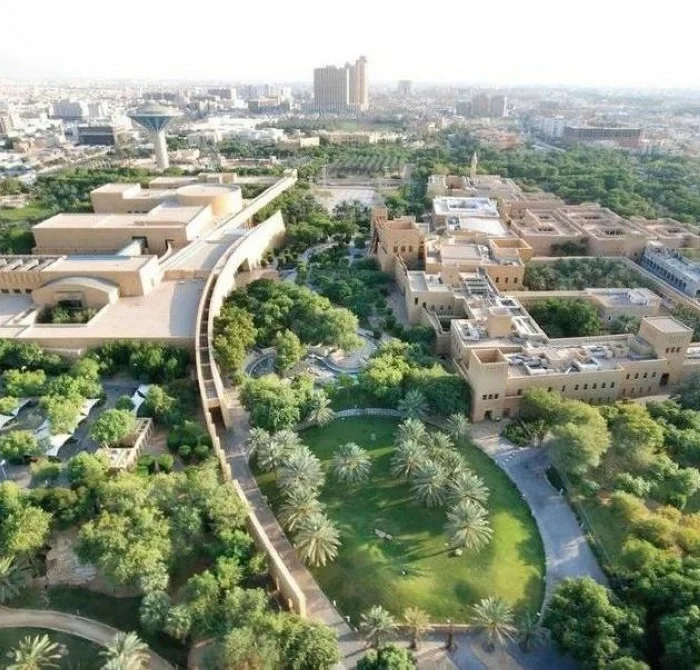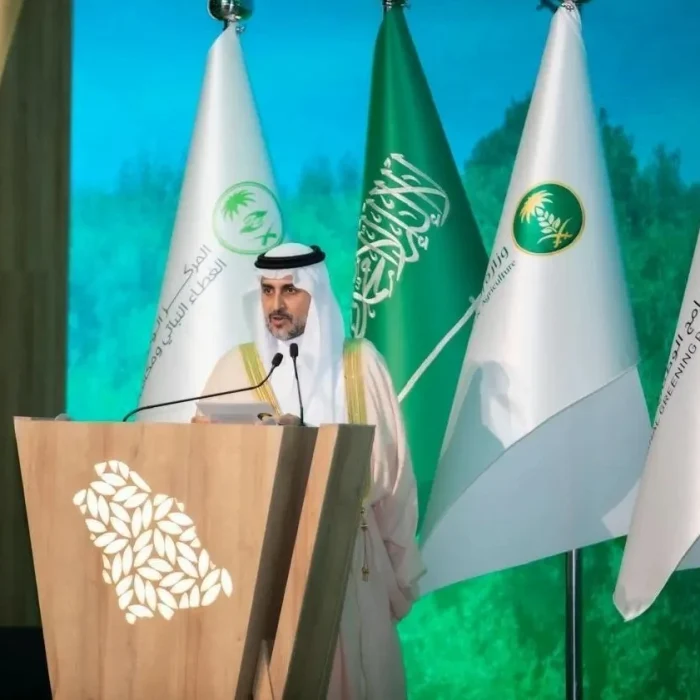



في خطوة بيئية تاريخية تعكس التزام المملكة العربية السعودية باستعادة التوازن البيئي والحفاظ على التنوع البيولوجي، أعلنت محمية الأمير محمد بن سلمان الملكية عن نجاحها في إعادة توطين طائر الحبارى الآسيوي داخل نطاق المحمية، وذلك بعد غياب طويل دام لأكثر من 35 عاماً. وتأتي هذه المبادرة النوعية كجزء من استراتيجية شاملة تهدف إلى إعادة إحياء الحياة الفطرية في شبه الجزيرة العربية، بما يتماشى مع المستهدفات البيئية لرؤية المملكة 2030.
عودة تاريخية لرمز البيئة العربية
شهدت المحمية إطلاق 20 طائر حبارى، في حدث يمثل تتويجاً للتعاون المثمر بين إدارة المحمية، والمركز الوطني لتنمية الحياة الفطرية، ومؤسسة الأمير محمد بن سلمان للحفاظ على الحبارى. وتهدف هذه الشراكة الاستراتيجية إلى تأسيس مجموعات برية مستدامة ومتكاثرة ذاتياً من طيور الحبارى الآسيوية في بيئاتها الطبيعية داخل المملكة، مما يعزز من سلامة النظم البيئية المحلية.
تقنيات حديثة لضمان الاستدامة
وفي سياق الاعتماد على المنهجيات العلمية الحديثة، أوضح الرئيس التنفيذي لمؤسسة الأمير محمد بن سلمان للحفاظ على الحبارى، أوليفييه كومبرو، أنه تم تزويد 10 من الطيور المطلقة بأجهزة تتبع متطورة تعمل عبر الأقمار الصناعية. وتعد هذه الخطوة ركيزة أساسية لجمع بيانات دقيقة حول سلوك الطيور المعاد توطينها، وقدرتها على التكيف مع البيئة البرية، ورصد أنماط تحركاتها واستخدامها للموائل الطبيعية، بالإضافة إلى تحديد المخاطر المحتملة التي قد تواجهها.
الأهمية الثقافية والبيئية للحبارى
لطالما شكّل طائر الحبارى جزءاً لا يتجزأ من الموروث الثقافي والبيئي في شبه الجزيرة العربية لآلاف السنين، حيث ارتبط برياضة الصيد بالصقور وبالقصائد العربية القديمة. وقد اعتاد هذا النوع التكاثر بأعداد كبيرة في المملكة سابقاً، وكانت الطيور المهاجرة تتخذ من أراضي الجزيرة العربية ملاذاً آمناً خلال فصل الشتاء. إلا أن الصيد الجائر وتدهور الغطاء النباتي في العقود الماضية أدى إلى تناقص أعدادها بشكل حاد، مما يجعل لعملية إعادة التوطين هذه أهمية قصوى في تصحيح المسار البيئي.
دعم مبادرة السعودية الخضراء
تندرج هذه الجهود ضمن السياق الأوسع لمبادرة “السعودية الخضراء”، التي تسعى لزيادة المناطق المحمية وحماية الكائنات المهددة بالانقراض. وستسهم البيانات التي سيتم جمعها من أجهزة التتبع في تحسين خطط الإطلاق المستقبلية، ليس فقط في المملكة بل في المنطقة الإقليمية ككل، مما يعزز مكانة المملكة كدولة رائدة في مجال الحفاظ على الطبيعة واستدامة الحياة الفطرية عالمياً.