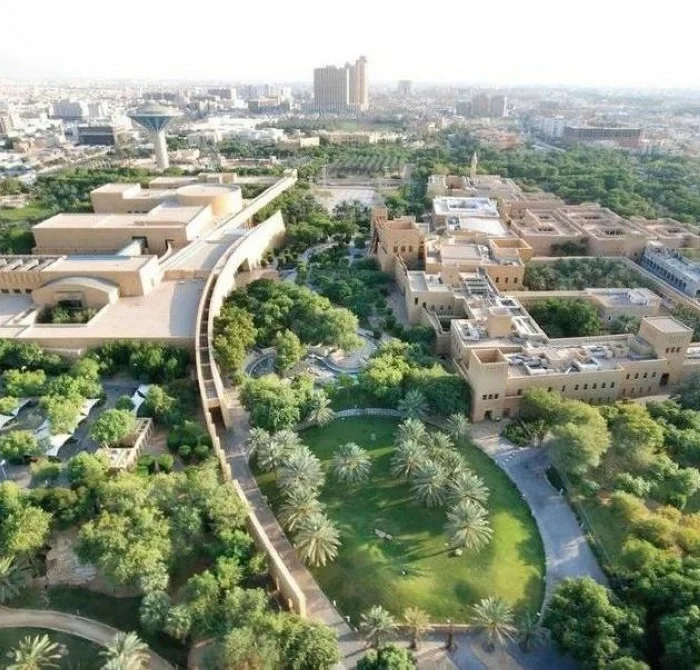



في خطوة تاريخية تعكس التزام المملكة العربية السعودية بالحفاظ على التنوع البيولوجي واستعادة التوازن البيئي، أعلنت محمية الأمير محمد بن سلمان الملكية عن نجاحها في إعادة توطين طائر الحبارى الآسيوي داخل نطاق المحمية. يأتي هذا الإنجاز بعد غياب لهذا الطائر دام أكثر من 35 عاماً عن المنطقة، ليمثل علامة فارقة في جهود المحمية الرامية إلى إعادة الحياة الفطرية إلى طبيعتها المزدهرة في شبه الجزيرة العربية.
إحياء التراث الطبيعي ضمن رؤية 2030
تندرج هذه المبادرة ضمن سياق وطني أوسع يتماشى مع مستهدفات رؤية المملكة 2030 ومبادرة السعودية الخضراء، التي تولي اهتماماً بالغاً بحماية البيئة والموارد الطبيعية. وتُعد المحميات الملكية في المملكة ركيزة أساسية في هذه الاستراتيجية، حيث تهدف إلى حماية الغطاء النباتي والحياة الفطرية من الانقراض، وتوفير ملاذات آمنة للكائنات الحية التي استوطنت الجزيرة العربية منذ آلاف السنين. إن عودة الحبارى ليست مجرد عملية إطلاق لطيور، بل هي استعادة لجزء أصيل من الهوية البيئية للمنطقة.
الحبارى الآسيوي: رمز ثقافي وتحديات البقاء
لطالما شكّل طائر الحبارى جزءاً لا يتجزأ من الموروث الثقافي والشعبي في شبه الجزيرة العربية، حيث ارتبط اسمه برياضة الصيد بالصقور التي تعد تراثاً إنسانياً عريقاً. تاريخياً، كانت أسراب الحبارى الآسيوي المهاجرة والمقيمة تنتشر في رقعة جغرافية واسعة تمتد من مصر غرباً وصولاً إلى الصين شرقاً، وكانت المملكة العربية السعودية محطة رئيسية لتكاثر هذه الطيور ومشتىً آمناً للمجموعات المهاجرة منها.
ومع ذلك، واجه هذا النوع تحديات جسيمة أدت إلى تصنيفه من قبل الاتحاد الدولي لحفظ الطبيعة ضمن القائمة الحمراء للأنواع المهددة بالانقراض. وقد ساهم الصيد الجائر وتدهور الموائل الطبيعية في انخفاض أعداده بشكل حاد، مما جعل مشاهدته في سماء المملكة أمراً نادراً يقتصر على المناطق الحدودية الشمالية والشرقية، واختفاء المجموعات البرية المقيمة تماماً لعقود.
شراكات استراتيجية وتقنيات تتبع حديثة
جاءت عملية الإطلاق الحالية، التي شملت 20 طائراً من الحبارى الآسيوي، ثمرة لتعاون وثيق ومستمر بين إدارة المحمية، والمركز الوطني لتنمية الحياة الفطرية، ومؤسسة الأمير محمد بن سلمان للحفاظ على الحبارى. ويهدف هذا التحالف الاستراتيجي إلى تأسيس مجموعات برية مستدامة قادرة على التكاثر والعيش باستقلالية في بيئتها الطبيعية.
وفي تعليقه على هذا الحدث، أوضح الرئيس التنفيذي لمؤسسة الأمير محمد بن سلمان للحفاظ على الحبارى، أوليفييه كومبرو، أن هذه الخطوة تمنح الفرصة لاختبار أحدث التقنيات في مجال استعادة الحياة الفطرية. وأشار إلى أنه تم تزويد 10 من الطيور المطلقة بأجهزة تتبع دقيقة عبر الأقمار الصناعية. ستوفر هذه الأجهزة بيانات حيوية حول سلوك الطيور، وأنماط تحركاتها، ومدى تكيفها مع الموائل الطبيعية، بالإضافة إلى رصد المخاطر والتهديدات التي قد تواجهها في البرية.
مستقبل مستدام للحياة الفطرية
تُعد البيانات التي سيتم جمعها حجر الزاوية لتطوير استراتيجيات الإطلاق المستقبلية، ليس فقط في محمية الأمير محمد بن سلمان الملكية، بل في عموم المملكة والمنطقة الإقليمية. وتسعى الجهات المعنية من خلال هذا النهج العلمي المجدد إلى ضمان بقاء هذا الطائر الرمز، وتعزيز السياحة البيئية، ورفع الوعي المجتمعي بأهمية الحفاظ على الكنوز الطبيعية للأجيال القادمة.