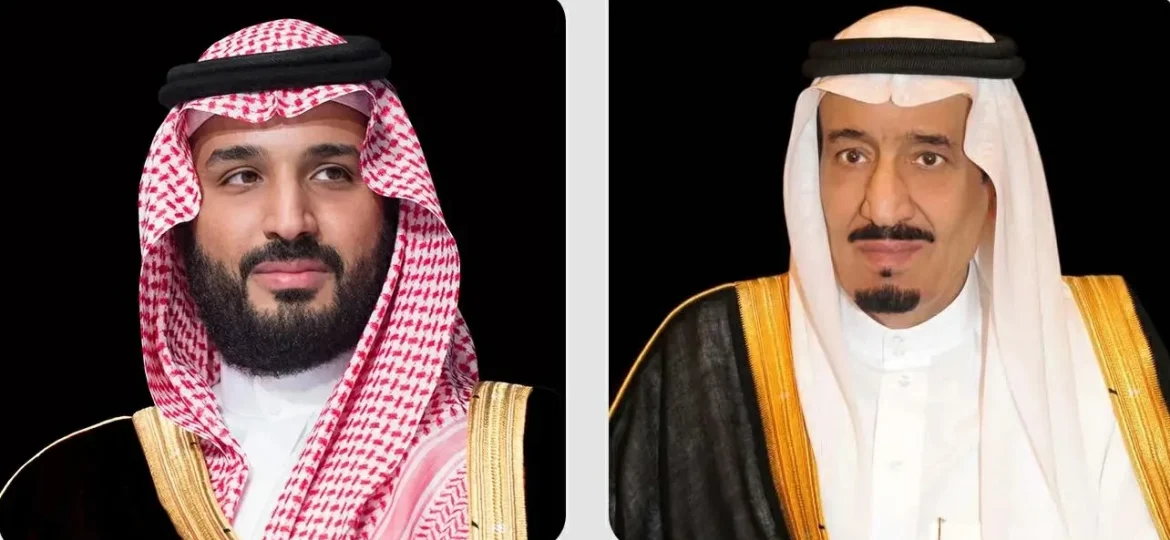


الأمير محمد بن سلمان بن عبدالعزيز آل سعود هو ولي عهد المملكة العربية السعودية منذ 26 رمضان 1438هـ الموافق 21 يونيو 2017م. ويُعد من أبرز قادة مرحلة التحول التي تشهدها المملكة في العصر الحديث. وفي 1 ربيع الأول 1444هـ الموافق 27 سبتمبر 2022م صدر أمر ملكي من خادم الحرمين الشريفين الملك سلمان بن عبدالعزيز بتعيينه رئيسًا لمجلس الوزراء، ليكون أول من يتولى هذا المنصب من أحفاد الملك المؤسس عبدالعزيز بن عبدالرحمن آل سعود.

الحياة المبكرة ونسب الأمير محمد بن سلمان
نسب الأمير محمد بن سلمان
الأمير محمد بن سلمان بن عبدالعزيز آل سعود هو: محمد بن سلمان بن عبدالعزيز بن عبدالرحمن بن فيصل بن تركي بن عبدالله بن محمد بن سعود بن محمد بن مقرن بن مرخان بن إبراهيم بن موسى بن ربيعة بن مانع بن ربيعة المريدي، وينتمي إلى قبيلة بني حنيفة من بكر بن وائل من ربيعة بن نزار بن معد بن عدنان.
وتعود أسرته إلى منطقة الدرعية التي تُعد عاصمة الدولة السعودية الأولى وبداية قيامها، كما تُعد أحد أهم المراكز التاريخية التي انطلقت منها نشأة الدولة السعودية في العصر الحديث. وقد استقر بنو حنيفة في وادي حنيفة وسط نجد بعد قدوم مانع المريدي وأسرته إليه سنة 850هـ/1446م، حيث أسس موطنًا عُرف باسم “الدروع” نسبةً إلى قبيلته، وذلك بعد انتقال أجداده إلى هذه المنطقة منذ القرن الثالث الهجري (التاسع الميلادي).
مولد ونشأة الأمير محمد بن سلمان
وُلد الأمير محمد بن سلمان بن عبدالعزيز في مدينة الرياض يوم 15 ذي الحجة 1405هـ الموافق 31 أغسطس 1985م. ونشأ في كنف والده خادم الحرمين الشريفين الملك سلمان بن عبدالعزيز آل سعود، الذي كان يشغل آنذاك منصب أمير منطقة الرياض، ووالدته الأميرة فهدة بنت فلاح بن سلطان آل حثلين. وهو الابن السادس بين أبناء الملك سلمان الذكور.
قضى طفولته في مدينة الرياض خلال مرحلة شهدت فيها المدينة توسعًا وتطورًا كبيرين في البنية التحتية والمرافق والخدمات، ما رافق التحول الحضري الذي عرفته العاصمة وأسهم في تشكيل ملامحها الحديثة.
تعليم الأمير محمد بن سلمان
تلقى الأمير محمد بن سلمان تعليمه العام في مدارس مدينة الرياض، وكان من الطلاب المتفوقين؛ إذ جاء ضمن العشرة الأوائل على مستوى المملكة في المرحلة الثانوية.
واصل دراسته الجامعية في جامعة الملك سعود، حيث حصل على درجة البكالوريوس في القانون من كلية الحقوق والعلوم السياسية، وحلّ ثانيًا على دفعته. وخلال فترة دراسته شارك في عدد من الدورات والبرامج التدريبية المتخصصة التي أسهمت في تنمية معارفه القانونية والإدارية.
المناصب الأولى للأمير محمد بن سلمان

بعد تخرجه في جامعة الملك سعود وحصوله على درجة البكالوريوس في القانون، بدأ الأمير محمد بن سلمان مسيرته العملية مستشارًا في هيئة الخبراء بمجلس الوزراء بتاريخ 22 ربيع الأول 1428هـ الموافق 10 أبريل 2007م. ثم عُيّن مستشارًا خاصًا لأمير منطقة الرياض في 28 ذي الحجة 1430هـ الموافق 15 ديسمبر 2009م.
كما شغل عددًا من المهام الأخرى، منها الأمين العام لمركز الرياض للتنافسية، ومستشارًا خاصًا لرئيس مجلس إدارة دارة الملك عبدالعزيز، إضافة إلى عضويته في اللجنة التنفيذية العليا لتطوير الدرعية.
وفي عام 2013م انتقل من عمله في إمارة منطقة الرياض ليُعيَّن مشرفًا على المكتب الخاص والشؤون الخاصة لولي العهد، ثم صدر أمر ملكي في 20 ربيع الآخر 1434هـ الموافق 2 مارس 2013م بتعيينه رئيسًا لديوان ولي العهد ومستشارًا خاصًا له بمرتبة وزير. وفي 5 رمضان 1434هـ الموافق 13 يوليو 2013م عُيّن مشرفًا عامًا على مكتب وزير الدفاع إلى جانب مهامه الأخرى.
وفي 25 جمادى الآخرة 1435هـ الموافق 25 أبريل 2014م صدر أمر ملكي بتعيينه وزير دولة عضوًا في مجلس الوزراء، مع استمراره في أعماله السابقة. كما صدر قرار في 23 ذي القعدة 1435هـ الموافق 18 سبتمبر 2014م بتعيينه رئيسًا للجنة التنفيذية في دارة الملك عبدالعزيز ونائبًا لرئيس مجلس إدارتها.
وفي 3 ربيع الآخر 1436هـ الموافق 23 يناير 2015م صدر أمر ملكي بتعيينه وزيرًا للدفاع، إضافة إلى تعيينه رئيسًا للديوان الملكي ومستشارًا خاصًا لخادم الحرمين الشريفين بمرتبة وزير، كما ترأس مجلس إدارة المؤسسة العامة للصناعات العسكرية بصفته وزيرًا للدفاع.
وفي 9 ربيع الآخر 1436هـ الموافق 29 يناير 2015م صدر أمر ملكي بإنشاء مجلس الشؤون الاقتصادية والتنمية وتشكيله برئاسته، كما عُيّن في التاريخ نفسه عضوًا في مجلس الشؤون السياسية والأمنية.
وفي 3 جمادى الآخرة 1436هـ الموافق 23 مارس 2015م صدر قرار مجلس الوزراء بتعيينه رئيسًا لمجلس إدارة صندوق الاستثمارات العامة، وذلك بصفته رئيسًا لمجلس الشؤون الاقتصادية والتنمية.
ولاية الأمير محمد بن سلمان للعهد
في 26 رمضان 1438هـ الموافق 21 يونيو 2017م صدر أمر ملكي باختيار الأمير محمد بن سلمان وليًا للعهد، وذلك بعد موافقة غالبية أعضاء هيئة البيعة، حيث أيده 31 عضوًا من أصل 34. وقد تمت مبايعته في قصر الصفا بمكة المكرمة، كما عُيّن في الوقت نفسه نائبًا لرئيس مجلس الوزراء، مع استمراره وزيرًا للدفاع ومباشرته مهامه الأخرى.
وفي 20 ربيع الآخر 1440هـ الموافق 27 ديسمبر 2018م صدر أمر ملكي بتعيينه رئيسًا لمجلس الشؤون السياسية والأمنية.
وفي 1 ربيع الأول 1444هـ الموافق 27 سبتمبر 2022م صدر أمر ملكي بتعيينه رئيسًا لمجلس الوزراء، إلى جانب منصبه وليًا للعهد.
المناصب الحالية للأمير محمد بن سلمان
يتولّى الأمير محمد بن سلمان عددًا من المناصب العليا في المملكة، من أبرزها:
– ولي عهد خادم الحرمين الشريفين الملك سلمان بن عبدالعزيز.
– رئيس مجلس الوزراء.
– رئيس مجلس الشؤون الاقتصادية والتنمية.
– رئيس مجلس الشؤون السياسية والأمنية.
– رئيس مجلس إدارة صندوق الاستثمارات العامة.
– رئيس المجلس الأعلى لشركة الزيت العربية السعودية (أرامكو السعودية).
– رئيس المجلس الأعلى للفضاء.
– رئيس مجلس إدارة شركة نيوم.
– رئيس مجلس إدارة شركة البحر الأحمر الدولية.
– رئيس مجلس إدارة شركة روشن العقارية.
– رئيس مجلس إدارة شركة القدية للاستثمار.
– رئيس مجلس إدارة الهيئة العامة للصناعات العسكرية.
– رئيس مجلس إدارة الهيئة الملكية لمدينة الرياض.
– رئيس مجلس إدارة الهيئة الملكية لمدينة مكة المكرمة والمشاعر المقدسة.
– رئيس مجلس إدارة الهيئة الملكية لمحافظة العلا.
– رئيس مجلس إدارة هيئة تطوير بوابة الدرعية.
– رئيس مجلس إدارة شركة الدرعية.
– رئيس مجلس أمناء كلية الأمير محمد بن سلمان للإدارة وريادة الأعمال.
– رئيس اللجنة العليا لمكافحة الفساد.
– رئيس اللجنة العليا للبحث والتطوير والابتكار.
– رئيس اللجنة العليا للسعودية الخضراء.
– رئيس مجلس المحميات الملكية.
– رئيس مجلس أمناء صندوق الشهداء والمصابين والأسرى والمفقودين.
– رئيس مجلس إدارة شركة السودة للتطوير.
العمل السياسي للأمير محمد بن سلمان
ظهوره في الساحة المحلية
برز الأمير محمد بن سلمان على الساحة المحلية من خلال عدد من المناسبات واللقاءات التي استعرض خلالها ملامح التحول الذي تشهده المملكة، حيث قدّم رؤيته وأفكاره حول مستقبل التنمية، وتحدث عن البرامج والمشروعات الكبرى الهادفة إلى رفع مستوى الاقتصاد وتحسين جودة الحياة وتعزيز مكانة المملكة عالميًا.
وفي 6 شعبان 1438هـ الموافق 2 مايو 2017م عرض الخطوط الرئيسة لرؤية السعودية 2030 خلال لقاء تلفزيوني بثته القناة السعودية، موضحًا أن الرؤية بدأت بعشرة برامج تنفيذية حتى عام 2020 تشمل مؤشرات وأهدافًا تعمل عليها 24 جهة حكومية. وأشار إلى دور صندوق الاستثمارات العامة بوصفه محركًا رئيسيًا للاقتصاد، وتناول برامج التحول الوطني والإسكان، إضافة إلى أهمية طرح شركة أرامكو للاكتتاب.
وخلال الفترة من 14 إلى 16 صفر 1440هـ الموافق 23–25 أكتوبر 2018م ترأس جلسات منتدى مبادرة مستقبل الاستثمار في الرياض بمشاركة رؤساء شركات ومستثمرين وصناع قرار من مختلف دول العالم، حيث شهد المنتدى توقيع 25 اتفاقية ومذكرة تفاهم تجاوزت قيمتها 60 مليار دولار، وذلك ضمن برنامج تطوير الصناعة الوطنية والخدمات اللوجستية الذي يركز على قطاعات الصناعة والتعدين والطاقة والخدمات اللوجستية.
وفي 29 جمادى الأولى 1442هـ الموافق 13 يناير 2021م شارك في جلسة حوار استراتيجية بمدينة العلا ضمن فعاليات المنتدى الاقتصادي العالمي، بحضور أكثر من 160 قائدًا ورائد أعمال يمثلون 36 دولة و28 قطاعًا اقتصاديًا، واستعرض خلالها الفرص الاستثمارية في المملكة التي تُقدّر بنحو 6 تريليونات دولار خلال عشر سنوات، من بينها استثمارات كبيرة في مشروعات جديدة وقطاعات اقتصادية ناشئة تدعمها رؤية 2030.
كما أكد في مقابلة تلفزيونية بتاريخ 16 رمضان 1442هـ الموافق 28 أبريل 2021م أن المملكة تسير نحو تحقيق عدد من مستهدفات الرؤية قبل موعدها، مشيرًا إلى الإصلاحات التي بدأت منذ عام 2015، مثل إعادة هيكلة بعض الوزارات وتأسيس مجالس جديدة. وذكر أن صندوق الاستثمارات العامة يستهدف نموًا كبيرًا خلال خمس سنوات، وأن استثماراته الخارجية تحقق عوائد تتجاوز 10%، مع خطط لرفع أصوله إلى نحو 10 تريليونات ريال بحلول عام 2030. كما أشار إلى أن تأسيس شركة «روشن» يهدف إلى توفير مليون وحدة سكنية ضمن مستهدف أربعة ملايين وحدة سكنية.
وفي 26 رمضان 1444هـ الموافق 17 أبريل 2023م استقبل رواد الفضاء السعوديين ريانة برناوي وعلي القرني ومريم فردوس وعلي الغامدي قبل انطلاق المهمة العلمية إلى محطة الفضاء الدولية، والتي شهدت مشاركة أول رائدة فضاء سعودية وعربية مسلمة. وأكد أهمية قطاع الفضاء في دعم التنافسية الدولية للمملكة ودوره في خدمة العلم والإنسانية وتعزيز الابتكار.
وخلال الفترة من 3 إلى 6 شعبان 1443هـ الموافق 6 إلى 9 مارس 2022م دشّن النسخة الأولى من معرض الدفاع العالمي الذي تنظمه الهيئة العامة للصناعات العسكرية، كما رعى في 19 شعبان 1443هـ الموافق 22 مارس 2022م حفل تخريج الدفعة 101 من طلبة كلية الملك فيصل الجوية.
وفي 18 جمادى الآخرة 1447هـ الموافق 9 ديسمبر 2025م رعى افتتاح مرافق قاعدة الملك سلمان الجوية في القطاع الأوسط، وذلك ضمن مشروعات تطوير القوات الجوية الملكية السعودية وتعزيز جاهزيتها القتالية.
النشاط الدبلوماسي للأمير محمد بن سلمان إقليميًّا

شهدت تحركات الأمير محمد بن سلمان الدبلوماسية على المستوى الإقليمي نشاطًا واسعًا، تمثل في زيارات وجولات خارجية ولقاءات مع قادة دول المنطقة، إلى جانب استقبالهم في المملكة العربية السعودية، وذلك بهدف تعزيز العلاقات الثنائية، وتوقيع اتفاقيات التعاون الاقتصادي والثقافي والاجتماعي، إضافة إلى تنسيق المواقف تجاه القضايا الإقليمية والدولية.
ففي أواخر عام 2021م قام بجولة في دول الخليج العربي، بدأها بزيارة سلطنة عُمان في 2 جمادى الأولى 1443هـ الموافق 6 ديسمبر 2021م، حيث التقى السلطان هيثم بن طارق بن تيمور، وجرى بحث العلاقات الثنائية بين البلدين وسبل تطويرها.
ثم توجه إلى أبوظبي في 3 جمادى الأولى 1443هـ الموافق 7 ديسمبر 2021م في زيارة استمرت يومين، التقى خلالها الشيخ محمد بن زايد آل نهيان، وشملت المباحثات استعراض العلاقات التاريخية بين البلدين وفرص توسيع التعاون في مختلف المجالات، إلى جانب مناقشة القضايا الإقليمية والدولية ذات الاهتمام المشترك.
وفي 4 جمادى الأولى 1443هـ الموافق 8 ديسمبر 2021م زار دولة قطر، حيث اجتمع مع الشيخ تميم بن حمد آل ثاني، وبحث الجانبان العلاقات الأخوية وسبل تعزيز التعاون في مختلف المجالات، إضافة إلى مناقشة المستجدات الإقليمية والدولية.
كما زار مملكة البحرين يومي 5 و6 جمادى الأولى 1443هـ الموافق 9 و10 ديسمبر 2021م، وعقد جلسة مباحثات رسمية مع الملك حمد بن عيسى آل خليفة، أكد خلالها الجانبان أهمية تنفيذ مضامين بيان العُلا وتعزيز مسيرة مجلس التعاون لدول الخليج العربية.
واختتم جولته الخليجية بزيارة دولة الكويت في 6 جمادى الأولى 1443هـ الموافق 10 ديسمبر 2021م، حيث التقى أمير الكويت الشيخ نواف الأحمد الجابر الصباح وولي عهده الشيخ مشعل الأحمد الجابر الصباح، وبحث معهم سبل تعزيز التعاون المشترك.
وفي 22 ذي القعدة 1443هـ الموافق 21 يونيو 2022م زار المملكة الأردنية الهاشمية، والتقى الملك عبدالله الثاني بن الحسين، حيث ناقش الجانبان العلاقات الثنائية وآفاق التعاون والتنسيق حيال القضايا الإقليمية والدولية.
كما قام بزيارة رسمية إلى جمهورية مصر العربية يومي 20 و21 يونيو 2022م بدعوة من الرئيس عبدالفتاح السيسي، واتفق الطرفان على تعزيز الشراكة الاقتصادية والتجارية بين البلدين من خلال اتفاقيات استثمارية بلغت قيمتها نحو 8 مليارات دولار، إضافة إلى التعاون في مشاريع الطاقة المتجددة لإنتاج الكهرباء بقدرة تصل إلى 10 جيجاوات.
وبدعوة من الرئيس التركي رجب طيب إردوغان زار جمهورية تركيا في 23 ذي القعدة 1443هـ الموافق 22 يونيو 2022م، حيث عقدت جلسة مباحثات رسمية أكدت رغبة البلدين في توسيع التعاون السياسي والاقتصادي والعسكري والأمني والثقافي، مع تبادل وجهات النظر حول التطورات الإقليمية والدولية.
كما ترأس، بالشراكة مع الرئيس المصري عبدالفتاح السيسي، النسخة الثانية من قمة مبادرة الشرق الأوسط الأخضر في مدينة شرم الشيخ بتاريخ 13 ربيع الآخر 1444هـ الموافق 7 نوفمبر 2022م.
وفي 29 شوال 1444هـ الموافق 19 مايو 2023م ترأس في جدة اجتماع القمة العربية على مستوى القادة. كما عقد في 30 ذي الحجة 1444هـ الموافق 18 يوليو 2023م لقاءً ثنائيًا مع الرئيس التركي في قصر السلام بجدة، شهد توقيع أربع اتفاقيات تعاون شملت مجالات الطاقة والصناعات الدفاعية والبحث والتطوير والاستثمار والإعلام، إضافة إلى عقدين مع شركة «بايكار» التركية.
وفي 1 محرم 1445هـ الموافق 19 يوليو 2023م ترأس في جدة قمة مجلس التعاون لدول الخليج العربية ودول آسيا الوسطى (C5)، التي ناقشت قضايا التعاون الاقتصادي والتجاري والاستثماري والأمن الغذائي والطاقة، إضافة إلى أبرز القضايا الإقليمية والدولية.
النشاط الدبلوماسي للأمير محمد بن سلمان دوليًّا

شهدت تحركات ولي العهد الأمير محمد بن سلمان على المستوى الدولي نشاطًا واسعًا، تمثل في زيارات وجولات متبادلة مع قادة ورؤساء الدول شملت عددًا كبيرًا من الدول في أربع قارات. كما ترأس وفود المملكة في العديد من المحافل والفعاليات العالمية الكبرى.
وفي المقابل، استمرت المملكة العربية السعودية وجهة رئيسية لعدد من قادة وزعماء الدول الذين حرصوا على زيارتها نظرًا لمكانتها السياسية والاقتصادية، حيث عقدوا لقاءات ثنائية مع ولي العهد هدفت إلى تطوير العلاقات بين الدول وتوسيع مجالات التعاون، إلى جانب توقيع اتفاقيات في مجالات سياسية واقتصادية وثقافية وتنموية وبيئية.
الزيارات الخارجية للأمير محمد بن سلمان
في 28 ذي القعدة 1437هـ الموافق 31 أغسطس 2016م قام الأمير محمد بن سلمان بزيارة رسمية إلى جمهورية الصين الشعبية، حيث عقد اجتماعًا مع الرئيس الصيني شي جين بينغ تناول العلاقات الثنائية بين البلدين وسبل تعزيز الشراكة الاستراتيجية، إضافة إلى مناقشة القضايا الإقليمية والدولية. وشهدت العلاقات السعودية-الصينية خلال تلك الفترة تطورًا ملحوظًا تُوّج بتوقيع عدد من الاتفاقيات في عدة قطاعات، كما التقى خلال الزيارة مجموعة من الطلبة السعوديين الدارسين في الجامعات الصينية في مقر إقامته بالعاصمة بكين.
وفي 4 رمضان 1438هـ الموافق 30 مايو 2017م زار روسيا الاتحادية، والتقى الرئيس فلاديمير بوتين وعددًا من كبار المسؤولين، وبحث معهم سبل تطوير العلاقات الثنائية، كما تم توقيع اتفاقية تعاون في مجالات عسكرية متعددة.
ووصل إلى الولايات المتحدة الأمريكية في 3 رجب 1439هـ الموافق 20 مارس 2018م في زيارة رسمية، رعى خلالها توقيع اتفاقية لإنشاء مشروع مشترك يهدف إلى توطين أكثر من 55% من أعمال صيانة وإصلاح وعمرة الطائرات الحربية داخل المملكة، ونقل تقنية دمج الأسلحة عليها وتوطين سلاسل إمداد قطع الغيار، وذلك ضمن مستهدفات رؤية السعودية 2030 الرامية إلى توطين 50% من الإنفاق العسكري بحلول عام 2030. وقد أُبرمت الاتفاقية بين الشركة السعودية للصناعات العسكرية (SAMI) وشركة بوينج.
وخلال الزيارة التقى المهندسين السعوديين المشاركين مع شركة لوكهيد مارتن في تطوير أول قمر صناعي سعودي (SGS-1) في مقر الشركة بوادي السيليكون في سان فرانسيسكو، ودوّن على القمر عبارة «فوق هام السحب». وأُطلق القمر الصناعي لاحقًا في 5 فبراير 2019م من مركز غويانا الفرنسي للفضاء على متن الصاروخ «أريان 5».
وفي 12 جمادى الآخرة 1440هـ الموافق 17 فبراير 2019م زار جمهورية باكستان الإسلامية، حيث عقد لقاءً مع رئيس الوزراء وبحث معه العلاقات الثنائية والتعاون المشترك.
كما شارك في يونيو 2019م في قمة مجموعة العشرين بمدينة أوساكا اليابانية، وشهدت الزيارة توقيع عدد من الاتفاقيات السعودية-اليابانية شملت مجالات التبادل الثقافي والطاقة والصناعة والاستثمار والتنمية الدولية، ودعم المنشآت الصغيرة والمتوسطة وتعزيز تنافسيتها في الأسواق العالمية، إضافة إلى التعاون الإعلامي وتبادل المعلومات.
وفي 27 ذي الحجة 1443هـ الموافق 26 يوليو 2022م اجتمع في العاصمة اليونانية أثينا مع رئيس وزراء اليونان، حيث ناقش الجانبان تطوير العلاقات الثنائية والفرص الاستثمارية، وانتهت الزيارة بتوقيع اتفاقية إنشاء مجلس الشراكة الاستراتيجية السعودي-اليوناني.
واصل الأمير محمد بن سلمان نشاطه الخارجي من خلال مشاركته في القمم والزيارات الدولية. ففي 21 ربيع الآخر 1444هـ الموافق 15 نوفمبر 2022م ترأس وفد المملكة في قمة قادة دول مجموعة العشرين بمدينة بالي في جمهورية إندونيسيا، وأسهمت الزيارة في تعزيز التعاون بين السعودية وإندونيسيا وتطوير العلاقات الثنائية نحو شراكة استراتيجية أوسع وفتح مجالات جديدة للتعاون بين البلدين.
واستكمل جولته الآسيوية متوجهًا في 22 ربيع الآخر 1444هـ الموافق 16 نوفمبر 2022م إلى العاصمة الكورية سول، حيث التقى رئيس الوزراء هان دوك سو، وبحث معه مجالات التعاون بين البلدين. ثم وصل في اليوم التالي 23 ربيع الآخر 1444هـ الموافق 17 نوفمبر 2022م إلى مملكة تايلاند، حيث ترأس وفد المملكة في قمة منتدى التعاون الاقتصادي لدول آسيا والمحيط الهادئ، واجتمع في بانكوك برئيس الوزراء ووزير الدفاع الجنرال برايوت تشان أوتشا، وشهدت الزيارة توقيع عدد من مذكرات التفاهم في مجالات الاستثمار والطاقة والسياحة، إضافة إلى إنشاء مجلس التنسيق السعودي التايلاندي.
وفي 18 ذي القعدة 1444هـ الموافق 7 يونيو 2023م استقبل في قصر السلام بجدة وزير الخارجية الأمريكي أنتوني بلينكن، وجرى خلال اللقاء استعراض العلاقات الثنائية بين البلدين وبحث أوجه التعاون والتطورات الإقليمية والدولية.
كما زار جمهورية فرنسا في 27 ذي القعدة 1444هـ الموافق 16 يونيو 2023م، حيث التقى الرئيس إيمانويل ماكرون في باريس، وتم خلال اللقاء بحث العلاقات الاستراتيجية بين البلدين وسبل تطويرها، إلى جانب تبادل وجهات النظر حول القضايا الدولية والإقليمية. وترأس خلال الزيارة وفد المملكة في قمة «من أجل ميثاق مالي عالمي جديد» التي عُقدت يومي 22 و23 يونيو 2023م، وناقشت سبل تطوير النظام المالي العالمي وقضايا المناخ ومكافحة الفقر وحماية التنوع الحيوي.
وفي 24 صفر 1445هـ الموافق 9 سبتمبر 2023م ترأس وفد المملكة في قمة مجموعة العشرين بمدينة نيودلهي في جمهورية الهند، وخلال الزيارة التقى رئيسة الهند دروبادي مورمو، كما ترأس مع رئيس الوزراء ناريندرا مودي الاجتماع الأول لمجلس الشراكة الاستراتيجية السعودي-الهندي.
ووصل في 21 جمادى الأولى 1445هـ الموافق 5 ديسمبر 2023م إلى دولة قطر في زيارة رسمية، التقى خلالها أمير دولة قطر الشيخ تميم بن حمد آل ثاني، وترأس وفد المملكة في الدورة الرابعة والأربعين للمجلس الأعلى لمجلس التعاون لدول الخليج العربية، إضافة إلى اجتماع مجلس التنسيق السعودي-القطري.
كما ترأس وفد المملكة في القمة العربية الثالثة والثلاثين التي عُقدت في مدينة المنامة بمملكة البحرين في 8 ذو القعدة 1445هـ الموافق 16 مايو 2024م.
وفي 12 ربيع الآخر 1446هـ الموافق 15 أكتوبر 2024م زار جمهورية مصر العربية والتقى الرئيس عبدالفتاح السيسي، حيث شهد الجانبان توقيع محضر إنشاء مجلس التنسيق الأعلى السعودي-المصري برئاستهما.
وفي 29 جمادى الأولى 1446هـ الموافق 1 ديسمبر 2024م ترأس وفد المملكة في الدورة الخامسة والأربعين للمجلس الأعلى لمجلس التعاون لدول الخليج العربية في دولة الكويت.
كما قام في 27 جمادى الأولى 1447هـ الموافق 18 نوفمبر 2025م بزيارة رسمية إلى الولايات المتحدة الأمريكية، التقى خلالها الرئيس الأمريكي دونالد ترمب، وبحث معه العلاقات الثنائية والقضايا المشتركة، ووقّع الجانبان اتفاقية الدفاع الاستراتيجي، إضافة إلى مشاركتهما في منتدى الاستثمار السعودي-الأمريكي في مركز جون كينيدي بواشنطن.
وفي 12 جمادى الآخرة 1447هـ الموافق 3 ديسمبر 2025م ترأس وفد المملكة في الدورة السادسة والأربعين للمجلس الأعلى لمجلس التعاون لدول الخليج العربية في مملكة البحرين، كما ترأس مع ولي عهد البحرين الأمير سلمان بن حمد آل خليفة الاجتماع الرابع لمجلس التنسيق السعودي-البحريني.
الأمير محمد بن سلمان وزيرًا للدفاع

منذ تعيين الأمير محمد بن سلمان وزيرًا للدفاع، عمل على تنفيذ برنامج تطوير شامل للوزارة، وقاد مسارًا إصلاحيًا ركّز على التحديث وإعادة التنظيم، وذلك ضمن خطة تطوير وزارة الدفاع التي هدفت إلى دعم قطاع التصنيع العسكري وتعزيز جاهزية القوات المسلحة.
وشملت عملية التطوير إطلاق 308 مبادرات، إلى جانب إعداد هيكل تنظيمي جديد لوزارة الدفاع والقوات المسلحة، بما يعزز قدرتها على حماية أمن المملكة ومصالحها وسيادتها من أي تهديد خارجي، والعمل بالتنسيق مع مختلف الجهات الحكومية لتحقيق الأمن والاستقرار.
وفي 21 شعبان 1438هـ الموافق 17 مايو 2017م أُسست الشركة السعودية للصناعات العسكرية (SAMI) بوصفها شركة وطنية مملوكة بالكامل لصندوق الاستثمارات العامة، بهدف تطوير الصناعات الدفاعية في المملكة وتعزيز الاكتفاء الذاتي، عبر توطين ما يصل إلى 50% من الإنفاق العسكري وفق مستهدفات رؤية السعودية 2030، مع السعي لأن تكون ضمن أكبر 25 شركة دفاعية عالميًا.
كما أُنشئت الهيئة العامة للصناعات العسكرية في 22 ذي القعدة 1438هـ الموافق 14 أغسطس 2017م لتكون الجهة المنظمة والمشرفة على قطاع الصناعات العسكرية في المملكة، والمسؤولة عن تنظيمه وتطويره ومتابعة أدائه.
عاصفة الحزم

في إطار دعم الأمن والاستقرار في المنطقة، وحماية الشرعية في اليمن، والحفاظ على أمن المملكة وحدودها، أصدر خادم الحرمين الشريفين الملك سلمان بن عبدالعزيز آل سعود في 5 جمادى الآخرة 1436هـ الموافق 25 مارس 2015م أمرًا ببدء عملية «عاصفة الحزم» ضد ميليشيا الحوثي، وذلك استجابةً لطلب الرئيس اليمني. وتولى الأمير محمد بن سلمان قيادة التحالف العسكري الداعم للعملية، حيث انطلقت أولى الضربات الجوية في 6 جمادى الآخرة 1436هـ الموافق 26 مارس 2015م من مركز عمليات القوات الجوية الملكية السعودية.
وفي 2 رجب 1436هـ الموافق 21 أبريل 2015م أعلن التحالف انتهاء عملية «عاصفة الحزم» بعد تحقيق أهدافها العسكرية بالتعاون مع الدول المشاركة، مع استمرار الإجراءات الرامية إلى حماية الحدود الجنوبية للمملكة من قبل القوات البرية وحرس الحدود، والتصدي لأي تهديدات تمس أمنها. كما استمر تطبيق الحظر البحري على المياه الإقليمية والموانئ، وبدأت عمليات الإجلاء والمساعدات الإنسانية والعمل على إعادة الأمن والاستقرار في اليمن ضمن عملية «إعادة الأمل».
إطلاق استراتيجية وزارة الدفاع
بناءً على توجيهات الأمير محمد بن سلمان، أُعدّت استراتيجية وزارة الدفاع ضمن برنامج تطوير وزارة الدفاع، بهدف رفع كفاءة القوات المسلحة والوصول بها إلى مستوى متقدم يضعها ضمن أفضل الجيوش من حيث الجاهزية والقدرة العملياتية والتكامل في مواجهة مختلف التهديدات.
وحددت الاستراتيجية خمسة أهداف رئيسة تمثلت في:
- تحقيق التفوق والتميز في العمليات العسكرية المشتركة.
- تطوير الهيكل التنظيمي والأداء المؤسسي لوزارة الدفاع.
- رفع كفاءة الأفراد وتعزيز جاهزيتهم ومعنوياتهم.
- تحسين كفاءة الإنفاق العسكري ودعم توطين الصناعات العسكرية.
- تحديث التجهيزات العسكرية والمعدات والأسلحة.
توطين الصناعات العسكرية

يرأس الأمير محمد بن سلمان مجلس إدارة الهيئة العامة للصناعات العسكرية، وهي الجهة المسؤولة عن تنظيم وتمكين قطاع الصناعات العسكرية في المملكة وتوطينه، والعمل على بناء قطاع عسكري محلي مستدام، مع استهداف رفع نسبة توطين الإنفاق الحكومي على المعدات والخدمات العسكرية إلى أكثر من 50% بحلول عام 2030.
وتعمل الهيئة بالتكامل مع شركائها في القطاعين العام والخاص على تطوير هذا القطاع من خلال تمكين المصنعين المحليين والدوليين، وإتاحة التراخيص لهم للاستثمار في بيئة صناعية عسكرية جاذبة، إلى جانب دعم الكفاءات الوطنية للمشاركة في برامج التوطين ونقل المعرفة التقنية.
ومن أبرز إنجازات هذا التوجه توطين نظام المراقبة متعدد الاستخدامات «زرقاء اليمامة – زالي» الذي تنتجه الشركة الوطنية للأنظمة الميكانيكية، إضافة إلى تدشين المدرعة العسكرية «عربة الدهناء» المصنعة محليًا، وكذلك تصنيع وإطلاق أول زورق اعتراضي سريع من طراز (HSI 32) داخل المملكة، فضلًا عن إنشاء أول حوض عائم.
وأسهمت هذه الجهود في توفير فرص عمل في القطاعين الحكومي والخاص، ونقل التقنيات الحديثة، ودعم التنمية الاقتصادية عبر تعزيز الإيرادات غير النفطية، إضافة إلى دعم الشركات الوطنية الصغيرة والمتوسطة، بما يعزز القدرات الدفاعية ويرسخ قيام قطاع صناعات عسكرية محلي ومستدام.
ملف الطاقة النووية

نظرًا لأهمية تطبيقات العلوم والتقنيات النووية في دعم التنمية وتلبية احتياجات القطاعات الحيوية، ومع ما تمتلكه المملكة من احتياطيات يورانيوم تُقدَّر بأكثر من 5% من الاحتياطيات العالمية، صدر في 19 رمضان 1438هـ الموافق 14 يونيو 2017م أمر سامٍ بإنشاء «المشروع الوطني للطاقة الذرية». ويهدف المشروع إلى دخول المملكة مجال الاستخدامات السلمية للطاقة النووية بوصفها مصدرًا آمنًا وفعالًا ومستدامًا للطاقة وصديقًا للبيئة.
ويتضمن المشروع إنشاء مفاعلات نووية كبيرة لإنتاج الكهرباء، والعمل على توطين تقنيات المفاعلات الصغيرة المدمجة، وتطوير دورة الوقود النووي تمهيدًا للاكتفاء الذاتي في إنتاجه، إلى جانب تطوير منظومة الرقابة النووية والإشعاعية.
كما أسست مدينة الملك عبدالله للطاقة الذرية والمتجددة الشركة السعودية للطاقة النووية القابضة للمشاركة في المشاريع النووية اقتصاديًا داخل المملكة وخارجها، إضافة إلى تشغيل وتطوير المرافق النووية لإنتاج الطاقة وتحلية المياه والتطبيقات الحرارية، ووضع برامج لتأهيل الكوادر الوطنية في مجال الطاقة الذرية بالتعاون مع المؤسسات الدولية المتخصصة. وتشمل الجهود أيضًا إنشاء منصة رقمية وطنية لاستقطاب وتنمية القدرات البشرية في هذا المجال، بما يدعم برنامج الإطار القطري للفترة 2022–2027 ويعزز إدخال الطاقة النووية ضمن مزيج الطاقة الوطني.
وفي 25 جمادى الآخرة 1439هـ الموافق 13 مارس 2018م أُنشئت «هيئة الرقابة النووية والإشعاعية» كجهة مستقلة مسؤولة عن تنظيم ومتابعة السلامة النووية والإشعاعية في المملكة، وتضطلع بدور رئيس في تنفيذ الخطة الوطنية للاستجابة للطوارئ النووية والإشعاعية.
جهود الأمير محمد بن سلمان
الجانب القضائي
منذ إطلاق رؤية السعودية 2030 وجّه الأمير محمد بن سلمان بتنفيذ حزمة من الإصلاحات القضائية والتشريعية بهدف رفع كفاءة النظام العدلي وتعزيز نزاهته، وترسيخ مبادئ العدالة وحقوق الإنسان، وزيادة مستوى الشفافية وتحسين جودة الحياة، بما يدعم مسار التنمية الشاملة في المملكة.
وخلال الفترة بين عامي 2016 و2020م صدرت مجموعة واسعة من التشريعات شملت 60 نظامًا جديدًا و77 تنظيمًا و36 ترتيبًا تنظيميًا و24 لائحة، استهدفت بناء أطر تشريعية مؤسسية واضحة وتنظيم السياسات العامة.
كما أُعلن عن أربعة أنظمة عدلية رئيسة شكّلت تحولًا مهمًا في التشريعات القضائية، وهي: نظام الإثبات، ونظام الأحوال الشخصية، ونظام المعاملات المدنية، والنظام الجزائي للعقوبات التعزيرية، وذلك بهدف توحيد المرجعيات القانونية وتقليل تباين الأحكام القضائية.
فقد أُقر نظام الإثبات في 24 جمادى الأولى 1443هـ الموافق 28 ديسمبر 2021م، لتلبية المتطلبات الاجتماعية والاقتصادية والتقنية وتعزيز حماية الحقوق والممتلكات. وفي 5 شعبان 1443هـ الموافق 8 مارس 2022م صدر نظام الأحوال الشخصية الذي ركز على استقرار الأسرة، وحماية الحقوق، وتمكين المرأة، وتنظيم السلطة التقديرية للقاضي.
كما صدر نظام المعاملات المدنية في 24 ذي القعدة 1444هـ الموافق 13 يونيو 2023م، متضمنًا قواعد لحماية الملكية واستقرار العقود وتحديد مصادر الحقوق والالتزامات، الأمر الذي أسهم في تحسين بيئة الأعمال وتنظيم التعاملات الاقتصادية وتعزيز الشفافية والحد من النزاعات.
وأقرت المحكمة العليا عام 2022م نظام التكاليف القضائية للحد من الدعاوى الكيدية وتعزيز العدالة الوقائية وتوثيق العقود، كما استُكملت خطوات التحول الرقمي بإطلاق منصة «ناجز» الموحدة للخدمات العدلية الإلكترونية، التي تتيح للمواطنين والمقيمين وقطاع الأعمال الاستفادة من خدمات المحاكم وكتابات العدل إلكترونيًا بسهولة وسرعة.
وأطلقت وزارة العدل منصة «تراضي» لتمكين أطراف النزاع من إجراء المصالحة عبر إجراءات إلكترونية متكاملة تنتهي بوثيقة صلح أو تعذر الاتفاق. كذلك افتُتحت المحكمة الإدارية العليا عام 2017م لتكون أعلى درجات التقاضي الإداري والنظر في الأحكام الصادرة من محاكم الاستئناف الإدارية.
كما أنشأ ديوان المظالم مركز إدارة العمليات القضائية ضمن مشروع التحول الرقمي، ما أسهم في تسريع الإجراءات القضائية ورفع جودة مخرجاتها، وصدر نظام التنفيذ أمام ديوان المظالم في 4 سبتمبر 2021م. وتم تحديد مدد زمنية للدعاوى الإدارية بلغت 150 يومًا في محاكم الدرجة الأولى و120 يومًا في محاكم الاستئناف، الأمر الذي عزز كفاءة الأداء والشفافية.
وقد انعكست هذه الإصلاحات على المؤشرات الدولية، حيث تقدمت المملكة ثمانية مراكز في مؤشر الاستقلال القضائي وفق تقرير التنافسية العالمية لعام 2019، لتصل إلى المرتبة 16 عالميًا. كما حققت المرتبة 17 عالميًا في كفاءة الإطار القانوني لتسوية النزاعات، وحافظت على المرتبة 11 عالميًا في مؤشر مواءمة الإطار القانوني للأعمال الرقمية، وارتقت إلى المرتبة 18 في مؤشر كفاءة الطعن في اللوائح. واحتلت المملكة المرتبة الثالثة بين دول مجموعة العشرين والمرتبة 11 عالميًا في محور الحوكمة التقنية، متقدمة على عدد من الاقتصادات الكبرى.
الجانب السياسي

تبنّى الأمير محمد بن سلمان توجهات سياسية تهدف إلى تعزيز أمن المملكة وسيادتها وترسيخ مكانتها إقليميًا ودوليًا، مستندًا إلى ما تمتلكه من مقومات بشرية واقتصادية وثقافية، وإلى تاريخ طويل من علاقات حسن الجوار والانفتاح المتوازن على العالم، مع المحافظة على ثوابت الدولة ومبادئها.
وعلى الصعيد الداخلي، وضع المواطن في مقدمة أولوياته عبر إطلاق مجموعة من الإصلاحات والمبادرات والبرامج، كان من أبرزها مكافحة الفساد بوصفها خطوة أساسية لدعم الاقتصاد ورفع الناتج المحلي الإجمالي، إلى جانب إعادة هيكلة الوزارات والمجالس والهيئات الحكومية وتحديد أهدافها التشغيلية، وإسناد إدارتها إلى الكفاءات الوطنية القادرة على تنفيذ برامج التحول الوطني وتقديم خدمات حكومية أكثر كفاءة.
كما أطلق رؤية السعودية 2030 التي تقوم على ثلاثة محاور رئيسة: مجتمع حيوي، واقتصاد مزدهر، ووطن طموح، وتضمنت عددًا كبيرًا من المبادرات الهادفة إلى تطوير الأداء الحكومي، وبناء بنية تحتية اقتصادية داعمة، وتحسين مستوى المعيشة، وتقليل معدلات البطالة من خلال توفير فرص العمل في مختلف القطاعات.
وشملت السياسات الداخلية تطوير الجوانب الاجتماعية والثقافية، حيث صدرت مجموعة من القرارات والأنظمة التي أسهمت في تمكين المرأة وتعزيز مشاركتها في التنمية الوطنية بمختلف المجالات، إضافة إلى دعم الشباب عبر توسيع فرص العمل وتهيئة بيئة محفزة للإبداع والابتكار واستثمار طاقاتهم.
أما على الصعيد الخارجي، فقد اتسمت السياسة السعودية في هذه المرحلة بالديناميكية والمبادرة المبكرة بما يواكب المتغيرات الجيوسياسية والاقتصادية، مع الاستفادة من الثقل السياسي والاقتصادي للمملكة ومكانتها الروحية، وتوسيع علاقاتها الدولية وتنويع شراكاتها الاقتصادية، وكذلك تنويع مصادر التسليح وتعزيز قدراتها العسكرية، إلى جانب العمل على تحقيق توازنات سوق النفط بما يخدم مصالح المملكة.
وفي هذا الإطار قام ولي العهد بعدد من الزيارات والجولات الخليجية والإقليمية والدولية لتعزيز التعاون المشترك، واستقبل قادة وزعماء دول العالم، وأسفرت تلك التحركات عن توقيع اتفاقيات أمنية وسياسية واقتصادية أسهمت في توثيق علاقات المملكة مع الدول الكبرى.
الجانب الاقتصادي

يُعد تطوير اقتصاد المملكة ورفع الناتج المحلي الإجمالي من أبرز أولويات ولي العهد الأمير محمد بن سلمان. وقد ركزت رؤية السعودية 2030 على بناء قاعدة اقتصادية قوية تزيد من مرونة الاقتصاد عبر تنويع مصادر الدخل وتقليل الاعتماد على النفط، من خلال استثمار الموارد الطبيعية وموقع المملكة الجغرافي الذي يربط بين قارات العالم الثلاث. وهدفت الرؤية إلى تحويل الاقتصاد السعودي إلى اقتصاد متنوع ومستدام قائم على رفع الإنتاجية وتعزيز دور القطاع الخاص في توليد الموارد الاقتصادية.
وفي هذا الإطار أُطلقت مجموعة من الإصلاحات الهيكلية في القطاعين الاقتصادي والمالي أسهمت في رفع معدلات النمو مع الحفاظ على الاستقرار المالي، وذلك عبر تطوير بيئة الأعمال، وتمكين القطاع الخاص ليكون شريكًا رئيسًا في التنويع الاقتصادي، والاستثمار في قطاعات جديدة لم تكن مستغلة سابقًا، وتحسين الأنظمة الاستثمارية والمصرفية بما يزيد جاذبية المملكة للمستثمرين المحليين والدوليين.
وفي عام 1436هـ الموافق 2015م صدر قرار مجلس الوزراء رقم (270) بربط صندوق الاستثمارات العامة بمجلس الشؤون الاقتصادية والتنمية برئاسة الأمير محمد بن سلمان، ليصبح أداة رئيسة لإطلاق قطاعات اقتصادية جديدة وتوليد فرص العمل وتأسيس الشركات، مستندًا إلى محافظ استثمارية كبيرة داخل المملكة وخارجها، بوصفه أحد أكبر الصناديق السيادية في العالم.
كما أُطلق برنامج التحول الوطني عام 1437هـ الموافق 2016م بهدف تطوير الأداء الحكومي وبناء البنية التحتية الاقتصادية وتحسين مستوى المعيشة، من خلال عدد من المحاور الاستراتيجية التي شملت تطوير الرعاية الصحية، وتحسين جودة الحياة والسلامة، واستدامة الموارد الحيوية، وتعزيز التنمية المجتمعية والقطاع غير الربحي، وتمكين فئات المجتمع من دخول سوق العمل، ودعم القطاع الخاص، وتطوير قطاعي السياحة والتراث الوطني. ويعمل البرنامج على تحقيق 34 هدفًا استراتيجيًا تمثل نحو 35% من أهداف رؤية 2030، بمشاركة سبع وزارات رئيسة وأكثر من 50 جهة حكومية.
وفي عام 1439هـ الموافق 2017م عُدّل النظام الأساسي لصندوق التنمية الصناعية السعودي لتمكينه من توسيع دعمه لقطاعات واعدة في مجالات الصناعة والتعدين والطاقة والخدمات اللوجستية.
كما أُنشئ صندوق التنمية الوطني بتاريخ 13 محرم 1439هـ الموافق 3 أكتوبر 2017م بهدف رفع كفاءة الصناديق والبنوك التنموية ومواكبة أولويات التنمية الاقتصادية. وفي 14 مارس 2022م أُطلقت استراتيجيته لدعم أهداف التنمية المستدامة وتحفيز مساهمة القطاع الخاص بما يزيد على ثلاثة أضعاف الأثر التنموي في الاقتصاد بحلول عام 2030، إلى جانب دعم نمو الناتج المحلي الإجمالي بضخ أكثر من 570 مليار ريال، ومضاعفة الناتج غير النفطي إلى أكثر من ثلاثة أضعاف وصولًا إلى نحو 605 مليارات ريال، مع توفير فرص عمل جديدة.
وفي عام 1440هـ الموافق 2019م أُطلق برنامج تطوير الصناعة الوطنية والخدمات اللوجستية «ندلب» كأحد برامج رؤية 2030، بهدف تحويل المملكة إلى قوة صناعية ومنصة لوجستية عالمية عبر التكامل بين قطاعات الصناعة والتعدين والطاقة والخدمات اللوجستية، وتعزيز الاستفادة من الموارد الوطنية، وتحفيز الاستثمار، وتنويع الاقتصاد وتحسين الميزان التجاري وتوفير فرص العمل النوعية ودعم المحتوى المحلي.
واستمرارًا لبرامج تنشيط الاقتصاد، أُطلق في شعبان 1442هـ الموافق مارس 2021م برنامج تعزيز الشراكة مع القطاع الخاص «شريك» تحت إشراف مجلس الشؤون الاقتصادية والتنمية برئاسة الأمير محمد بن سلمان، ويهدف إلى رفع حجم الاستثمارات المحلية لشركات القطاع الخاص المدرجة وغير المدرجة لتصل إلى نحو 5 تريليونات ريال بحلول عام 2030، وذلك عبر حوافز ومبادرات حكومية داعمة.
وفي 24 جمادى الآخرة 1444هـ الموافق 17 يناير 2023م أعلن إطلاق «صندوق الفعاليات الاستثماري» برئاسته، بهدف إنشاء بنية تحتية مستدامة تدعم قطاعات الثقافة والسياحة والترفيه والرياضة، وتعزيز الشراكات الاستراتيجية وجذب الاستثمارات الخارجية، مع تطوير أكثر من 35 موقعًا في مختلف مناطق المملكة بحلول عام 2030.
وتشمل مشروعات الصندوق إنشاء مرافق متعددة مثل المعارض الفنية والمسارح ومراكز المؤتمرات ومضامير سباقات الخيل وميادين الرماية وحلبات سباق السيارات وغيرها من الأصول، كما ترتكز استراتيجيته على معايير بيئية واجتماعية وحوكمة مؤسسية تشمل تحسين البيئة وإثراء المجتمع والالتزام بأعلى معايير الإدارة. ويسهم ذلك في تنويع مصادر الدخل غير النفطي وزيادة فرص العمل، إلى جانب رفع مساهمة قطاع السياحة في الناتج المحلي الإجمالي من 3% إلى 10% واستقطاب نحو 150 مليون زائر بحلول عام 2030، وصولًا إلى تعزيز مكانة المملكة ضمن أبرز الوجهات السياحية عالميًا.
وشملت جهود التنمية قطاعات متعددة، من أبرزها قطاع الطاقة عبر مشاريع الطاقة المتجددة وتطوير إنتاج النفط والغاز، وقطاع التعدين من خلال نظام الاستثمار التعديني، إضافة إلى تحسين البنية التحتية اللوجستية وتعزيز الاستثمار والسياحة والترفيه. كما أُطلقت مواسم وفعاليات سياحية كبرى وجرى تطوير المواقع التراثية وتسهيل إجراءات التأشيرات للزوار.
وقد انعكس ذلك على المؤشرات الاقتصادية، حيث سجل الاقتصاد السعودي نموًا بلغ 5.6% عام 2021م، وارتفع الناتج المحلي الإجمالي بنسبة 3.8% في الربع الأول من عام 2023م على أساس سنوي، كما نمت الأنشطة غير النفطية بنسبة 5.4% بدعم من أداء القطاع الخاص، مع استمرار نمو الأنشطة النفطية بنسبة 1.4%.
وفي 14 جمادى الأولى 1445هـ الموافق 28 نوفمبر 2023م فازت المملكة باستضافة معرض «إكسبو 2030» في مدينة الرياض خلال الفترة من أكتوبر 2030م إلى مارس 2031م، بعد حصول ملفها على 119 صوتًا من الدول الأعضاء في المكتب الدولي للمعارض، متفوقًا على مدينتي بوسان الكورية الجنوبية وروما الإيطالية.
وبفضل هذه السياسات أصبحت المملكة ضمن أكبر عشرين اقتصادًا في العالم وعضوًا مؤثرًا في مجموعة العشرين، كما تعد أكبر اقتصاد في الشرق الأوسط، مع نظام مالي قوي وقطاع مصرفي نشط وشركات وطنية كبرى، إضافة إلى قاعدة اقتصادية متنوعة تشمل الصناعات التحويلية والطاقة والتعدين وتقنية المعلومات وسياحة الأعمال.
وترافقت هذه التحولات مع إطلاق مشروعات اقتصادية وتنموية كبرى، من أبرزها مدينة نيوم، ومشروع ذا لاين، ومشروع البحر الأحمر، ومشروع القدية، ومشروع بوابة الدرعية، ومدينة الملك سلمان للطاقة «سبارك»، ومشروع تطوير العلا.
طرح أسهم أرامكو للاكتتاب العام
ضمن برنامج الإصلاح الاقتصادي الهادف إلى تنويع مصادر الدخل وتقليل الاعتماد على النفط، قاد الأمير محمد بن سلمان مشروع طرح جزء من أسهم شركة أرامكو السعودية للاكتتاب العام. وبدأ تنفيذ الطرح في 20 ربيع الأول 1441هـ الموافق 17 نوفمبر 2019م، حيث عُرضت ثلاثة مليارات سهم تمثل 1.5% من إجمالي أسهم الشركة، خُصص منها مليار سهم للمكتتبين الأفراد، وحدد سعر السهم عند 32 ريالًا.
وبدأ تداول أسهم أرامكو رسميًا في السوق المالية السعودية بتاريخ 14 ربيع الآخر 1441هـ الموافق 11 ديسمبر 2019م، لتصل القيمة السوقية للشركة إلى نحو 6.4 تريليونات ريال (حوالي 1.71 تريليون دولار)، وهو ما جعلها آنذاك أكبر شركة مدرجة في الأسواق المالية العالمية من حيث القيمة السوقية.
وفي 25 ذو القعدة 1445هـ الموافق 2 يونيو 2024م أعلنت أرامكو السعودية طرحًا عامًا ثانويًا لأسهم عادية بلغ 1.545 مليار سهم، أي ما يعادل نحو 0.64% من أسهم الشركة المصدرة، ضمن نطاق سعري تراوح بين 26.7 و29 ريالًا للسهم الواحد.
وفي 5 ذو الحجة 1445هـ الموافق 11 يونيو 2024م أُعلن اكتمال عملية الطرح الثانوي وبيع كامل الأسهم المطروحة، ليُعد أكبر طرح ثانوي في منطقة أوروبا والشرق الأوسط وأفريقيا منذ عام 2000م، وكذلك أكبر عملية طرح أسهم في الشرق الأوسط بعد الطرح العام الأولي الذي أجرته الشركة عام 2019م.
الجانب الدبلوماسي

قاد ولي العهد الأمير محمد بن سلمان تحركات دبلوماسية أسهمت في إبراز دور سياسي فاعل للمملكة على المستويين الإقليمي والدولي، حيث تقوم السياسة الخارجية السعودية على مبادئ ثابتة تشمل حسن الجوار، واحترام سيادة الدول والأنظمة الدولية، وتعزيز الشراكات المؤثرة في المجتمع الدولي.
وفي عام 2022م قام بجولة آسيوية شملت جمهورية إندونيسيا وجمهورية كوريا الجنوبية ومملكة تايلاند، للمشاركة في قمة قادة دول مجموعة العشرين في إندونيسيا وقمة منتدى التعاون الاقتصادي لآسيا والمحيط الهادئ في تايلاند. وعكست الجولة توجه المملكة نحو توسيع التعاون الثنائي في مختلف المجالات، إلى جانب عرض مستهدفات رؤية السعودية 2030 وتعزيز فرص التعاون الاقتصادي مع الدول الشقيقة والصديقة.
وجاءت هذه التحركات بعد مشاركة المملكة في قمة «مبادرة الشرق الأوسط الأخضر» ومنتدى «مبادرة السعودية الخضراء» بمدينة شرم الشيخ في جمهورية مصر العربية بالتزامن مع مؤتمر الأمم المتحدة للتغير المناخي (COP27) في نوفمبر 2022م، بما يعكس اهتمامها بالقضايا البيئية العالمية.
كما شهدت العلاقات بين المملكة العربية السعودية وجمهورية الصين الشعبية تطورًا ملحوظًا وتعاونًا متناميًا في مختلف المجالات، في إطار توجه المملكة لتعزيز شراكاتها الاستراتيجية مع القوى الدولية الكبرى وإقامة علاقات متوازنة تحقق مصالحها الوطنية.
وفي السياق ذاته، تعززت مجالات التعاون مع روسيا الاتحادية من خلال الزيارات المتبادلة بين الأمير محمد بن سلمان والرئيس فلاديمير بوتين، والتي أسهمت في تنسيق الجهود في قطاع الطاقة والاستثمار في البنية التحتية والعمل المشترك لتحقيق استقرار أسواق الطاقة بما يحقق توازنًا بين مصالح المنتجين والمستهلكين.
الجانب البيئي

أكد الأمير محمد بن سلمان في عدد من تصريحاته أن مواجهة التغير المناخي تمثل فرصة لتعزيز التنافسية الاقتصادية وخلق فرص العمل، وأن الأجيال القادمة تستحق مستقبلًا أكثر استدامة. ويعكس ذلك توجه المملكة إلى جعل الاستدامة محورًا رئيسًا في التخطيط التنموي وتطوير البنية التحتية والسياسات العامة والاستثمار ضمن رؤية السعودية 2030، مع المشاركة في الجهود الدولية لمواجهة تحديات الطاقة والمناخ.
ولتحقيق هذه الأهداف أطلقت المملكة مجموعة واسعة من المبادرات والبرامج البيئية، من أبرزها:
عام 2017م: إطلاق مبادرة الملك سلمان للطاقة المتجددة، والإعلان عن البرنامج الوطني للطاقة المتجددة، وتأسيس الشركة السعودية الاستثمارية لإعادة التدوير «سرك».
عام 2018م: إنشاء مجلس المحميات الملكية، وإطلاق الاستراتيجية الوطنية للبيئة، وتأسيس القوات الخاصة للأمن البيئي.
عام 2019م: الانضمام إلى التحالف الدولي للطاقة الشمسية، وإنشاء خمسة مراكز متخصصة في مجالات البيئة، وإطلاق مشروع «الرياض الخضراء»، وبرامج الإدارة المتكاملة للنفايات وإعادة تدويرها في الرياض، وتأسيس صندوق البيئة، وإطلاق مشروع دومة الجندل لطاقة الرياح.
عام 2020م: تبنّي مبادرة الاقتصاد الدائري للكربون خلال رئاسة المملكة لقمة مجموعة العشرين، وإطلاق مبادرتين للحد من تدهور الأراضي والموائل الطبيعية، وتأسيس منصة عالمية لتسريع البحث والتطوير للحفاظ على الشعاب المرجانية، وإنشاء المركز الوطني للرقابة على الالتزام البيئي.
عام 2021م: إطلاق مبادرتي «السعودية الخضراء» و«الشرق الأوسط الأخضر»، وانضمام «قولف السعودية» إلى مبادرة الأمم المتحدة للرياضة من أجل المناخ، وتشغيل محطة سكاكا للطاقة الشمسية، وإدراج جزر فرسان ضمن برنامج «الإنسان والمحيط الحيوي» التابع لليونسكو، وإعلان استهداف الوصول إلى الحياد الصفري للانبعاثات بحلول عام 2060م وفق نهج الاقتصاد الدائري للكربون القائم على التخفيض وإعادة الاستخدام وإعادة التدوير والإزالة، إضافة إلى إطلاق البرنامج الوطني للاقتصاد الدائري للكربون والانضمام إلى التعهد العالمي للميثان والتحالف العالمي للمحيطات.
عام 2022م: انضمام المملكة، ممثلة باللجنة الأولمبية والبارالمبية السعودية، إلى مبادرة الأمم المتحدة «إطار العمل الرياضي من أجل المناخ».
عام 2023م: توقيع عقد إعداد الكود السعودي لمصادر المياه واستخداماتها.
كما أُعلن خلال منتدى مبادرة السعودية الخضراء عن إطلاق حزمة مبادرات بيئية تهدف إلى خفض الانبعاثات الكربونية بنحو 278 مليون طن سنويًا بحلول عام 2030م، إلى جانب تنفيذ مشاريع لتنويع مصادر الطاقة، ومن بينها برنامج «مزيج الطاقة الأمثل» الذي يستهدف أن تصل نسبة الطاقة المتجددة إلى 50% من إنتاج الكهرباء بحلول عام 2030م.
وتجسد مدينة «ذا لاين» في منطقة نيوم مبادئ التنمية المستدامة، حيث تعتمد بالكامل على الطاقة المتجددة بنسبة 100%، مع توفير مساحات خضراء وبيئة طبيعية وإنتاج غذائي مستدام.
وقد انعكست هذه الجهود على حضور المملكة في المؤشرات البيئية الدولية؛ إذ حصلت الشركة السعودية للكهرباء على جائزة الإدارة البيئية في العالم الإسلامي عام 2019م، كما فازت وزارة البيئة والمياه والزراعة بجائزة أفضل جهة حكومية عالميًا في قطاع المياه لعام 2021م خلال قمة المياه العالمية في مدريد، وحصلت كذلك على جائزة القمة العالمية لمجتمع المعلومات لعام 2023م في فئة البيئة الرقمية، توافقًا مع أهداف التنمية المستدامة للأمم المتحدة.
الجانب الإنساني
تضمنت رؤية السعودية 2030 رفع مساهمة القطاع غير الربحي إلى نحو 5% من الناتج المحلي الإجمالي بحلول عام 2030، بهدف دعم العمل الخيري والتطوعي وتعزيز مشاركة المجتمع في تقديم العون والمساندة لمختلف فئاته. وقد أسهم ذلك في زيادة أعداد المتطوعين بشكل ملحوظ، حيث ارتفع عددهم بنحو عشرين ضعفًا خلال الفترة من 2015 إلى 2022م.
وفي 11 شعبان 1440هـ الموافق 16 أبريل 2019م أُنشئ المركز الوطني لتنمية القطاع غير الربحي، ويرتبط تنظيميًا برئيس مجلس الوزراء الأمير محمد بن سلمان. كما يرأس مجلس إدارة مدارس الرياض غير الربحية، ومجلس أمناء مركز الملك سلمان للشباب.
وأطلق الأمير محمد بن سلمان «برنامج سند محمد بن سلمان» لتلبية احتياجات المجتمع وتقديم الدعم المباشر للمواطنين، ويضم عددًا من المبادرات، من بينها «سند الزواج» لمساعدة المتزوجين حديثًا على تخفيف تكاليف الزواج، ومبادرة «أسرة مستقرة» الهادفة إلى دعم استقرار الأسرة السعودية، إضافة إلى مبادرة «العيش باستقلالية» التي تعنى بتمكين الأشخاص ذوي الإعاقة تقنيًا لمواجهة التحديات وتعزيز اندماجهم في المجتمع.
كما أسس مؤسسة «مسك» عام 1432هـ الموافق 2011م ويرأس مجلس إدارتها، وتهدف إلى دعم المبادرات المعرفية والإبداعية وتنمية رأس المال البشري. وتعمل المؤسسة على تمكين الشباب السعودي في مجالات التعليم وريادة الأعمال والعلوم والتقنية من خلال تصميم البرامج وبناء الشراكات مع الجهات المحلية والعالمية، بما يسهم في بناء مجتمع قائم على المعرفة وتعزيز فرص التنمية المستدامة.
الجانب الديني

اهتم الأمير محمد بن سلمان بتعزيز القيم الإسلامية القائمة على التسامح والاعتدال ونبذ التطرف، والعمل على نشر ثقافة الوسطية والتعايش، بما يحد من مظاهر الكراهية والتشدد التي عانت منها بعض المجتمعات.
وفي إطار تنظيم الشأن الديني الداخلي صدر في 4 رجب 1437هـ الموافق 11 أبريل 2016م تنظيم جديد لهيئة الأمر بالمعروف والنهي عن المنكر، تضمن اشتراط التأهيل العلمي لأعضائها، واعتماد أسلوب اللين في التعامل، وقصر الإجراءات النظامية على الجهات المختصة مثل الشرطة أو الإدارة العامة لمكافحة المخدرات، بحيث تتولى تلك الجهات إجراءات الضبط والتحقيق والمتابعة وفق الأنظمة المعمول بها.
كما أُطلق عام 2015م مشروع «سلام للتواصل الحضاري» بوصفه مشروعًا وطنيًا يعنى بتعزيز الحوار الحضاري عبر ثلاثة محاور رئيسة هي البناء المعرفي وتنمية القدرات والممارسة الفاعلة. وأُنشئ كذلك المركز العالمي لمكافحة الفكر المتطرف «اعتدال» لمتابعة مصادر التطرف ومكافحتها ورصد تمويل الإرهاب على مستوى الأفراد والمنظمات.
وشهدت هذه المرحلة عددًا من القرارات الإصلاحية، إذ صدر في 27 ذي القعدة 1440هـ الموافق 30 يوليو 2019م مرسوم يسمح للمرأة التي تبلغ 21 عامًا فأكثر بإصدار جواز السفر والسفر خارج المملكة دون الحاجة إلى تصريح. كما صدر في يوليو 2021م تعميم يقضي باستمرار فتح الأنشطة التجارية خلال أوقات الصلوات. ورحبت المملكة باعتماد مجلس حقوق الإنسان التابع للأمم المتحدة قرار مكافحة الكراهية الدينية والتحريض على التمييز والعنف، تأكيدًا على احترام الأديان والثقافات وتعزيز القيم الإنسانية.
الجانب الرياضي

شهد القطاع الرياضي في المملكة تطورًا ملحوظًا ضمن جهود الأمير محمد بن سلمان لتعزيز نمط الحياة الصحي وبناء مجتمع أكثر نشاطًا، حيث أُطلقت مشروعات كبرى تدعم ممارسة الرياضة والأنشطة البدنية، من أبرزها المسار الرياضي في الرياض، ومشروع القدية، وحديقة الملك سلمان، ومبادرة الرياض الخضراء. كما توسعت مشاريع الممرات المخصصة للمشي وتحولت إلى مرافق رياضية مفتوحة مجهزة بالألعاب والمسطحات الخضراء ومسارات الدراجات الهوائية، مثل ممشى واجهة جدة البحرية، وممشى طريق الأمير سعود بن عبدالمحسن في حائل، وممشى ومتنزه الحمراء في الخبر، وجادة قباء في المدينة المنورة.
ويُعد تطوير قطاع رياضي متكامل أحد مستهدفات رؤية السعودية 2030 ضمن محور «مجتمع حيوي»، بهدف رفع مستوى مشاركة المجتمع في الأنشطة البدنية وتحقيق نتائج رياضية متقدمة للمنتخبات والأندية. وقد ارتفعت نسبة ممارسة الرياضة في المجتمع من 13% إلى 23% عام 2018م، ثم إلى نحو 29.7% عام 2021م، بما يسهم في تحسين جودة الحياة ورفع متوسط العمر.
كما استضافت المملكة العديد من البطولات والفعاليات الرياضية العالمية ضمن مواسمها المختلفة، من بينها رالي داكار منذ عام 2020م، وسباقات الفورمولا 1، وفورمولا إي الدرعية، وبطولة ريتشارد ميل العلا لبولو الصحراء، والبطولة السعودية الدولية للجولف، وكأسي السوبر الإيطالي والإسباني، وطواف السعودية للدراجات الهوائية. واختيرت مدينة الرياض لاستضافة دورة ألعاب المنظمة الدولية للرياضة للجميع (TAFISA) لعام 2028م، لتكون أول نسخة تقام في منطقة الشرق الأوسط وشمال أفريقيا.
وأطلقت وزارة الصحة المشروع الوطني للمشي بهدف رفع متوسط العمر المتوقع من 74 إلى 80 عامًا عبر تعزيز ثقافة المشي في المجتمع من خلال مسابقات وبرامج تدريبية وتطبيقات وأنشطة ميدانية تستهدف مختلف الفئات العمرية.
كما دعم برنامج جودة الحياة تأهيل الكوادر الوطنية في القطاع الرياضي، ووضع استراتيجيات تطويره وتمكين القطاع الخاص والمساهمة في استضافة الفعاليات العالمية وتحقيق إنجازات رياضية محلية ودولية. وخصصت وزارة الرياضة نحو 160 مليون ريال لتطوير المنشآت الرياضية وتحديثها بما يدعم الأندية ويرفع كفاءة مرافقها.
وتشمل مبادرات البرنامج «الاستراتيجية الوطنية للتدريب الرياضي» التي تنفذها وزارة الرياضة بالتعاون مع عدد من الجهات، ومنها معهد إعداد القادة. كما أُسس الاتحاد السعودي للرياضة للجميع عام 2018م ليكون الجهة المسؤولة عن تطوير الرياضات المجتمعية، مع استهداف رفع نسبة ممارسة النشاط البدني إلى 40% من سكان المملكة بحلول عام 2030م.
وشهد القطاع الرياضي كذلك تنظيم فعاليات وطنية كبرى، إذ افتُتحت في 3 ربيع الآخر 1444هـ الموافق 28 أكتوبر 2022م النسخة الأولى من «دورة الألعاب السعودية»، بوصفها أكبر حدث رياضي وطني، بمشاركة أكثر من 6000 رياضي و2000 مشرف فني وإداري يمثلون أكثر من 200 نادٍ سعودي، وذلك على استاد الملك فهد الدولي في الرياض. وتهدف الدورة إلى إيجاد بيئة تنافسية متكاملة في مختلف الألعاب، وزيادة عدد الممارسين للرياضة، واكتشاف مواهب جديدة مرتبطة ببرنامج رياضيي النخبة، إلى جانب تطوير قدرات المملكة في تنظيم البطولات الكبرى بما ينسجم مع مستهدفات رؤية السعودية 2030.
كما أُعلن عن إنشاء صندوق الفعاليات الاستثماري برئاسة الأمير محمد بن سلمان لتطوير بنية تحتية مستدامة تدعم قطاعات الثقافة والسياحة والترفيه والرياضة.
وفي 16 ذي القعدة 1444هـ الموافق 5 يونيو 2023م أطلق ولي العهد مشروع الاستثمار والتخصيص للأندية الرياضية بعد اكتمال مرحلته التنفيذية الأولى، ويستهدف إحداث نقلة نوعية في مختلف الألعاب بحلول عام 2030، وتطوير كرة القدم خاصة، بهدف إدخال الدوري السعودي ضمن أفضل عشرة دوريات عالميًا، وزيادة إيرادات رابطة الدوري السعودي للمحترفين من 450 مليون ريال إلى أكثر من 1.8 مليار ريال سنويًا، إضافة إلى رفع القيمة السوقية للدوري من ثلاثة مليارات إلى أكثر من ثمانية مليارات ريال.
كما تستضيف المملكة دورة الألعاب العربية 2027م، وفازت بحق تنظيم دورة الألعاب الآسيوية «الرياض 2034» للمرة الأولى في تاريخها، إضافة إلى استضافة مدينة تروجينا في نيوم دورة الألعاب الآسيوية الشتوية 2029م.
وفي 4 أكتوبر 2023م أعلنت المملكة نيتها الترشح لاستضافة بطولة كأس العالم 2034، وفي 29 يوليو 2024م تم اعتماد ملف الترشح رسميًا وتسليمه إلى الاتحاد الدولي لكرة القدم في باريس بعد استكمال متطلباته. وأوضح ولي العهد أن الملف يركز على تنمية القدرات البشرية وتطوير كرة القدم وتعزيز التواصل الدولي، وأن استضافة البطولة تمثل خطوة مهمة في مسار نمو القطاع الرياضي بالمملكة.
وفي 30 نوفمبر 2024م حصل ملف الاستضافة على أعلى تقييم فني في تاريخ الاتحاد الدولي لكرة القدم بواقع 419.8 من 500 نقطة، ثم أعلن «فيفا» في 11 ديسمبر 2024م فوز المملكة رسميًا باستضافة كأس العالم 2034.
كما نظمت المملكة خلال الفترة من 3 يوليو إلى 25 أغسطس 2024م النسخة الأولى من بطولة كأس العالم للرياضات الإلكترونية في الرياض، وشارك فيها 500 فريق و1500 لاعب محترف من مختلف دول العالم، وتُوّج الفريق السعودي «فالكونز» بالبطولة. وتهدف هذه البطولة إلى تطوير قطاع الألعاب والرياضات الإلكترونية وتعزيز مكانة المملكة وجهة عالمية للفعاليات الرياضية، وقد أُنشئت مؤسسة غير ربحية باسم «مؤسسة كأس العالم للرياضات الإلكترونية» لتتولى تنظيم البطولة ودعم نمو القطاع واستدامته.
الجانب الثقافي والترفيهي

إطلاق أكبر مدينة ثقافية وترفيهية
برز اهتمام الأمير محمد بن سلمان بقطاعي الثقافة والترفيه مبكرًا، حيث أعلن في 10 رجب 1438هـ الموافق 7 أبريل 2017م إطلاق مشروع «القدية»، بوصفه أكبر مدينة ثقافية ورياضية وترفيهية من نوعها في المملكة. ويقام المشروع على مساحة تقارب 376 كيلومترًا مربعًا غرب مدينة الرياض، ليكون وجهة عالمية تقدم تجارب متنوعة في مجالات الترفيه والرياضة والفنون.
ويعتمد المشروع على خمس ركائز رئيسة تشمل: الرياضة والصحة، والطبيعة والبيئة، والمتنزهات والوجهات الترفيهية، وأنشطة المغامرة والحركة، إضافة إلى الفنون والثقافة، بما يعزز مكانة القدية مركزًا وطنيًا للترفيه والرياضة والفنون.
وفي 12 شعبان 1439هـ الموافق 28 أبريل 2018م أُطلق المشروع رسميًا بحضور ورعاية خادم الحرمين الشريفين الملك سلمان بن عبدالعزيز، وتضمن المخطط العام إنشاء منتجعات ترفيهية، ومنطقة جولف وأحياء سكنية، ومناطق للمغامرات والأنشطة الحركية، إلى جانب مرافق للطيران تشمل مدرجًا للطائرات ومهابط للطائرات العمودية، ومركزًا حضريًا للمدينة، ومناطق طبيعية ومحورًا أخضر، إضافة إلى مداخل وبوابات مخصصة للوصول إلى المدينة.
لقاء المثقفين
أولى الأمير محمد بن سلمان أهمية لدور المثقفين في تنمية المجتمع وتعزيز الوعي الثقافي، وهو ما تجسد في لقائه مع نخبة من المثقفين في بيت نصيف بمنطقة جدة التاريخية، المدرجة ضمن قائمة التراث العالمي لليونسكو، وذلك في 19 رمضان 1440هـ الموافق 14 مايو 2019م.
وأكد ولي العهد خلال اللقاء المكانة المحورية للثقافة في دعم التنمية الاجتماعية وتحسين جودة الحياة، ودورها في الحفاظ على الهوية الوطنية والتاريخ، وإبراز التنوع الحضاري الذي تتميز به المملكة، إضافة إلى إسهامها في تعزيز التواصل المعرفي والإنساني مع مختلف الحضارات والدول.
وشارك في اللقاء مثقفون يمثلون ستة عشر قطاعًا ثقافيًا ضمن منظومة وزارة الثقافة، شملت مجالات التراث والمتاحف والمواقع الأثرية، والمسرح والفنون الأدائية، والكتاب والنشر، والعمارة والتصميم، والتراث الطبيعي، وصناعة الأفلام، والأزياء، والترجمة، وفنون الطهي، والمهرجانات والفعاليات الثقافية، والأدب، والمكتبات، والفنون البصرية، والموسيقى.
ترميم وإحياء جدة التاريخية
انطلاقًا من الاهتمام بالمواقع التراثية والحفاظ عليها، وجّه الأمير محمد بن سلمان بالعناية بمنطقة «جدة التاريخية» بوصفها أحد أبرز المعالم الثقافية والسياحية في المملكة. ففي رمضان 1440هـ الموافق مايو 2019م صدر توجيه بدعم مشروع ترميم 56 مبنى آيلًا للسقوط بقيمة 50 مليون ريال كمرحلة أولى، ضمن برنامج متكامل لحماية المواقع ذات القيمة التاريخية وصون الموروث الحضاري من التدهور.
وفي 29 محرم 1443هـ الموافق 6 سبتمبر 2021م أُطلق مشروع «إحياء جدة التاريخية» ضمن برنامج تطوير المنطقة، بهدف تحويلها إلى مركز جاذب للأعمال والأنشطة الثقافية ومقصد لرواد الأعمال. وتضم المنطقة نحو 600 مبنى تراثي و36 مسجدًا تاريخيًا وخمسة أسواق رئيسة، إضافة إلى الممرات والساحات القديمة ومواقع تاريخية مهمة، من بينها الواجهة البحرية القديمة التي كانت طريقًا رئيسًا للحجاج، ويعمل المشروع على إعادة تأهيلها لتعكس تاريخ الحج عبر العصور.
وفي 18 ربيع الأول 1445هـ الموافق 3 أكتوبر 2023م أُعلن تأسيس «شركة تطوير البلد» المملوكة لصندوق الاستثمارات العامة لتكون المطور الرئيس لمنطقة جدة التاريخية، بهدف تحويلها إلى وجهة ثقافية وتراثية عالمية.
وفي 20 رجب 1445هـ الموافق 1 فبراير 2024م أُعلن تأسيس شركة «آلات» التابعة لصندوق الاستثمارات العامة، للمساهمة في تحويل المملكة إلى مركز عالمي للصناعات المستدامة القائمة على التقنيات المتقدمة والإلكترونيات.
الاستراتيجية الوطنية للملكية الفكرية
في إطار دعم الابتكار وتعزيز الاقتصاد المعرفي، أطلق الأمير محمد بن سلمان الاستراتيجية الوطنية للملكية الفكرية بتاريخ 28 جمادى الأولى 1444هـ الموافق 22 ديسمبر 2022م، بوصفها أحد الممكنات الرئيسة لتحقيق مستهدفات رؤية السعودية 2030. وتهدف الاستراتيجية إلى بناء منظومة متكاملة للملكية الفكرية تسهم في دعم الاقتصاد القائم على الإبداع والابتكار عبر تطوير سلسلة قيمة متكاملة تعزز التنافسية وتدعم النمو الاقتصادي، بما يرسخ مكانة المملكة في هذا المجال.
وترتكز الاستراتيجية على أربعة محاور أساسية هي: توليد الملكية الفكرية، وإدارتها، والاستثمار التجاري لها، وحمايتها.
وأكد ولي العهد خلال تدشينها أهمية تمكين المبدعين والمبتكرين، مشيرًا إلى أن دعم الطاقات الوطنية سيجعل المملكة بيئة محفزة للاقتصاد المعرفي، من خلال منظومة متكاملة تسهم في تطوير التقنيات والصناعات المبتكرة، وتحفيز الاستثمار، وتوفير وظائف نوعية، وتعزيز الوعي بحقوق المبدعين والمخترعين.
الاستثمار في الدرعية
في إطار الاهتمام بالهوية الوطنية وتعزيز البعد الثقافي والتاريخي للمملكة، أعلن الأمير محمد بن سلمان في 16 جمادى الآخرة 1444هـ الموافق 9 يناير 2023م ضم مشروع الدرعية ليكون خامس المشروعات الكبرى التابعة لصندوق الاستثمارات العامة. ويعد المشروع من الوجهات العالمية المميزة بما يضمه من معالم تاريخية وثقافية، من أبرزها حي الطريف المسجل ضمن قائمة التراث العالمي لليونسكو، إضافة إلى مجموعة من المرافق والمتاحف والأنشطة الثقافية التي تتيح للزوار التعرف على تاريخ المملكة وتراثها الأصيل من خلال الفعاليات والبرامج المتنوعة.
صندوق الفعاليات الاستثماري
وفي 24 جمادى الآخرة 1444هـ الموافق 17 يناير 2023م أعلن ولي العهد رئيس مجلس الوزراء الأمير محمد بن سلمان إطلاق «صندوق الفعاليات الاستثماري» برئاسته، بهدف دعم أربعة قطاعات رئيسة هي الثقافة والرياضة والترفيه والسياحة.
ويعمل الصندوق على تعزيز الشراكات بين القطاعين العام والخاص، وتهيئة بيئة جاذبة للاستثمارات الأجنبية، بما يسهم في زيادة الناتج المحلي الإجمالي بنحو 28 مليار ريال بحلول عام 2045م، إضافة إلى توفير فرص عمل جديدة للمواطنين ودعم مستهدفات رؤية السعودية 2030 لبناء اقتصاد مزدهر ومجتمع حيوي.
كما يستهدف الصندوق تعزيز مكانة المملكة إقليميًا ودوليًا كمركز عالمي للفعاليات، من خلال تطوير أكثر من 35 موقعًا بحلول عام 2030، تشمل مراكز المؤتمرات والمعارض والمسارح ومضامير سباقات الخيل والسيارات وميادين الرماية.
الجانب العلمي
إطلاق الهيئة السعودية للبيانات والذكاء الاصطناعي
انطلاقًا من اهتمام الأمير محمد بن سلمان بالعلم والتقنيات الحديثة ودورها في تعزيز مكانة المملكة، صدر أمر ملكي بتاريخ 29 ذي الحجة 1440هـ الموافق 30 أغسطس 2019م بتأسيس الهيئة السعودية للبيانات والذكاء الاصطناعي «سدايا»، وهي جهة مستقلة إداريًا وماليًا، يرأس سموه مجلس إدارتها، وتتولى قيادة توجه المملكة نحو الريادة في مجالات البيانات والذكاء الاصطناعي.
وسجلت «سدايا» إنجازًا بارزًا في 2 شعبان 1441هـ الموافق 26 مارس 2020م بتشغيل أول قمة افتراضية لقادة دول مجموعة العشرين، كما طورت منظومة الاتصال المرئي الآمن «بروق» لتمكين الجهات الحكومية من عقد اجتماعاتها عن بُعد، وعملت على توحيد ودمج أكثر من 80 مجموعة بيانات حكومية ضمن بنية بيانات وطنية موحدة. وفي نوفمبر 2022م حصلت على جائزة أفضل مشروع تقني عن «بنك البيانات الوطني»، وجائزة أفضل مشروع مجتمعي عن معسكرات «سدايا T5» من معهد إدارة المشاريع (PMI).
كما رعى الأمير محمد بن سلمان القمة العالمية للذكاء الاصطناعي التي أُقيمت في الرياض في 17 صفر 1444هـ الموافق 13 سبتمبر 2022م تحت شعار «الذكاء الاصطناعي لخير البشرية»، بمشاركة أكثر من 10 آلاف شخص و200 متحدث يمثلون 90 دولة من صناع القرار والشركات التقنية العالمية.
وفي 26 شوال 1444هـ الموافق 16 مايو 2023م دشنت «سدايا» مركز التميز للذكاء الاصطناعي التوليدي، وأطلقت النسخة التجريبية من تطبيق «علام»، في خطوة تهدف إلى توظيف تقنيات الذكاء الاصطناعي وتعزيز حضور المملكة في القطاع التقني عالميًا، كما أدرجت أربع مدن سعودية ضمن مؤشر IMD للمدن الذكية لعام 2023، وهي الرياض ومكة المكرمة وجدة والمدينة المنورة.
برنامج تنمية القدرات البشرية
انطلاقًا من اهتمام الأمير محمد بن سلمان بتطوير الإنسان السعودي والاستفادة من الفرص المتسارعة عالميًا، أُطلق برنامج تنمية القدرات البشرية بتاريخ 8 صفر 1443هـ الموافق 15 سبتمبر 2021م، كأحد برامج تحقيق رؤية السعودية 2030. ويعد البرنامج استراتيجية وطنية تهدف إلى تعزيز تنافسية الكفاءات الوطنية محليًا ودوليًا من خلال تطوير منظومة التعليم والتدريب.
ومن أبرز مستهدفاته رفع نسبة الالتحاق برياض الأطفال من 23% إلى 90%، وإدخال جامعتين سعوديتين ضمن أفضل 100 جامعة عالميًا بحلول عام 2030، بما يدعم حضور المملكة في المؤشرات التعليمية الدولية.
تنمية البحث والتطوير والابتكار
وفي 20 شوال 1442هـ الموافق 1 يونيو 2021م صدر قرار مجلس الوزراء بإنشاء هيئة تنمية البحث والتطوير والابتكار، وهي جهة مستقلة إداريًا وماليًا وترتبط تنظيميًا برئيس مجلس الوزراء.
كما أطلق الأمير محمد بن سلمان في 4 شعبان 1443هـ الموافق 7 مارس 2022م استراتيجية برنامج خادم الحرمين الشريفين للابتعاث، التي تمثل مرحلة جديدة من الابتعاث تستهدف تأهيل الكفاءات الوطنية للقطاعات الحديثة والواعدة وتعزيز قدرتها التنافسية.
وفي 1 ذي الحجة 1443هـ الموافق 30 يونيو 2022م أعلن ولي العهد، بصفته رئيس اللجنة العليا للبحث والتطوير والابتكار، أربع أولويات وطنية لقطاع البحث والتطوير خلال العقدين القادمين، وهي: صحة الإنسان، واستدامة البيئة والاحتياجات الأساسية، والريادة في الطاقة والصناعة، واقتصاديات المستقبل.
وتهدف هذه الأولويات إلى توجيه مشاريع البحث والتطوير نحو المجالات ذات الأثر الاستراتيجي، مع تطلع المملكة إلى أن تكون من الدول الرائدة عالميًا في الابتكار، حيث يستهدف رفع الإنفاق على القطاع إلى 2.5% من الناتج المحلي الإجمالي بحلول عام 2040، مع إضافة عوائد اقتصادية تقدر بنحو 60 مليار ريال للناتج المحلي الإجمالي.
كلية الأمير محمد بن سلمان للإدارة وريادة الأعمال
في 12 رمضان 1437هـ الموافق 17 يونيو 2016م أُطلقت كلية الأمير محمد بن سلمان للإدارة وريادة الأعمال في مدينة الملك عبدالله الاقتصادية بمحافظة جدة، نتيجة شراكة بين مؤسسة مسك ومدينة الملك عبدالله الاقتصادية وكلية بابسون العالمية وشركة لوكهيد مارتن. وتهدف الكلية إلى إعداد القيادات الشابة وتأهيل رواد الأعمال، إلى جانب دعم الدراسات الإدارية والاستراتيجية المرتبطة بتطوير قطاع الأعمال.
وتضم الكلية مركزًا متخصصًا للأبحاث والتطوير في ريادة الأعمال يعد الأول من نوعه في المملكة، ويتيح للطلاب التفاعل المباشر والمشاركة الفكرية مع القطاعين العام والخاص. كما تحتوي على عدد من المراكز الأكاديمية والبحثية، من أبرزها مركز بابسون العالمي لصناعة القيادات الريادية، ومختبر الأعمال، ومركز دراسات الحالة، إضافة إلى برنامج ماجستير إدارة الأعمال التنفيذي.
وتخرج في الكلية أكثر من ألف طالب وطالبة، وتشير نتائجها إلى تحسن المسار المهني للخريجين، إذ حقق عدد كبير منهم زيادات وظيفية وترقيات إدارية، ووصلت نسبة منهم إلى مواقع قيادية.
دعم الجامعات السعودية
وأكد الأمير محمد بن سلمان في أكثر من مناسبة استهداف المملكة دخول جامعتين سعوديتين ضمن أفضل 100 جامعة عالميًا بحلول عام 2030. وفي إطار دعم قطاع التعليم العالي، أصدر في 7 محرم 1445هـ الموافق 25 يوليو 2023م أمرًا ساميًا بتشكيل مجلس إدارة لجامعة الملك سعود، وذلك بعد تحويلها إلى مؤسسة أكاديمية مستقلة غير ربحية تحت مظلة الهيئة الملكية لمدينة الرياض، في خطوة تهدف إلى تطوير الحوكمة ورفع كفاءة الأداء الأكاديمي والبحثي.
مكافحة الفساد
أكد الأمير محمد بن سلمان أن الفساد يمثل أحد أبرز معوقات التنمية والازدهار، مشددًا على ضرورة محاسبته بحزم وعدم التساهل معه مهما كان مرتكبه. وترجمت هذه التوجهات إلى قرارات وإجراءات عملية هدفت إلى تعزيز النزاهة وملاحقة المتورطين في قضايا الفساد.
وباشرت هيئة الرقابة ومكافحة الفساد «نزاهة»، بالتعاون مع الجهات الحكومية والقطاع الخاص والأفراد، التحقيق في عدد من القضايا المرتبطة بالرشوة واستغلال النفوذ وغسل الأموال والتزوير، ونفذت آلاف الجولات الرقابية في مناطق المملكة المختلفة. كما وفرت خدمة الإبلاغ الإلكتروني عن الفساد، وأطلقت برنامج «وطننا أمانة» لتعزيز الوعي المجتمعي بأهمية حماية المال العام.
وفي 26 و27 جمادى الأولى 1444هـ الموافق 20 و21 ديسمبر 2022م استضافت مدينة جدة الاجتماع الوزاري الأول لأجهزة إنفاذ قوانين مكافحة الفساد في الدول الأعضاء بمنظمة التعاون الإسلامي برعاية ولي العهد، وبمشاركة منظمات دولية متخصصة مثل مكتب الأمم المتحدة المعني بالمخدرات والجريمة، ومنظمة الشرطة الجنائية الدولية (الإنتربول)، ومجموعة «إيغمونت» لوحدات الاستخبارات المالية، إضافة إلى خبراء دوليين في مجال النزاهة.
وأعلن الأمير محمد بن سلمان نتائج السنوات الثلاث الأولى لحملة مكافحة الفساد حتى عام 2020، حيث بلغت متحصلات التسويات نحو 247 مليار ريال، أي ما يعادل 20% من إجمالي الإيرادات غير النفطية، إضافة إلى أصول مالية أخرى نقلت إلى وزارة المالية.
كما نظمت رئاسة أمن الدولة وهيئة الرقابة ومكافحة الفساد الملتقى العربي لهيئات مكافحة الفساد ووحدات التحريات المالية خلال الفترة 7–8 ذي القعدة 1445هـ الموافق 15–16 مايو 2024م، بمشاركة نحو 600 خبير و75 متحدثًا من جهات حكومية ومنظمات دولية، بهدف تعزيز التعاون وتنسيق الجهود لمكافحة الجرائم المالية وتبادل الخبرات بين الجهات المختصة.
مشاريع سُمِّيت باسمه
حملت مجموعة من المبادرات والمشاريع في المملكة اسم الأمير محمد بن سلمان، تقديرًا لدوره في دعم التنمية والتطوير في مختلف المجالات، ومن أبرزها:
- مشروع الأمير محمد بن سلمان لتطوير المساجد التاريخية
أُعلن عنه عام 2018م بهدف تأهيل المساجد التاريخية والحفاظ على طابعها المعماري الأصيل، نظرًا لمكانتها الدينية والتاريخية، إضافة إلى إبراز قيمتها الثقافية والاجتماعية والاستفادة من عناصرها المعمارية في تطوير تصميم المساجد الحديثة. - مؤسسة محمد بن سلمان «مسك»
تأسست عام 2011م لتعزيز التعلم وتنمية القدرات القيادية لدى الشباب، ورعاية المواهب والطاقات الإبداعية، والمساهمة في دعم الاقتصاد المعرفي. وتقدم المؤسسة برامج ومبادرات متنوعة، من بينها برنامج «نخبة» لتأهيل الطلبة، وبرنامج «سبارك» لدعم رواد الأعمال، ومبادرة «ديوان الابتكار»، وبرنامج «قادة 2030» لإعداد قيادات وطنية شابة. - مدينة محمد بن سلمان غير الربحية في الرياض
مدينة متكاملة صديقة للبيئة ومهيأة للمشاة، صممت كنموذج حديث لكفاءة استخدام الموارد والاستدامة، وتضم مناطق سكنية وتعليمية ومرافق مجتمعية ولوجستية متنوعة تسهم في تحسين جودة الحياة وإبراز الطابع الحضاري للمدينة. - حديقة الأمير محمد بن سلمان
تشرف عليها مؤسسة متخصصة وتقع غرب الرياض قرب حدائق الملك عبدالله العالمية، وتبلغ مساحتها نحو 22 مليون متر مربع، وتضم مرافق سكنية وتجارية وترفيهية، وتسهم في رفع جودة الحياة وتعزيز مكانة مدينة الرياض عالميًا. - طريق الأمير محمد بن سلمان في الرياض
أحد الطرق الرئيسة في العاصمة، يربط بين طريق الملك خالد وطريق الجنادرية، ويضم ضمن نطاقه مشروع «المسار الرياضي». - كلية الأمير محمد بن سلمان للإدارة وريادة الأعمال
أنشئت لإعداد جيل من القادة ورواد الأعمال المؤهلين وفق معايير عالمية، بالشراكة مع جهات تعليمية واقتصادية دولية، وتحت مظلة مؤسسة «مسك». - استاد الأمير محمد بن سلمان في القدية
أحد مشاريع شركة القدية للاستثمار، ويعد من الملاعب الحديثة المرشحة لاستضافة كأس العالم 2034، وسيحتضن فعاليات رياضية وثقافية وفنية، ويقع في قلب مدينة القدية فوق جبال طويق على ارتفاع يقارب 200 متر، بتصميم معماري وتقني متقدم يجعله عنصر جذب سياحي ورياضي.
رؤية السعودية 2030

في 18 رجب 1437هـ الموافق 25 أبريل 2016م أطلق الأمير محمد بن سلمان «رؤية السعودية 2030» لتكون إطارًا شاملاً لمرحلة تحول واسعة في مختلف قطاعات المملكة العربية السعودية. وقد عُرضت بوصفها رؤية للمستقبل يبدأ العمل بها من الحاضر، بحيث تعكس طموحات المجتمع السعودي وتستثمر قدرات الدولة وإمكاناتها.
وجاءت الرؤية معتمدة على عناصر القوة التي تتمتع بها المملكة، والمتمثلة في موقعها الجغرافي الاستراتيجي، وقدرتها الاستثمارية الكبيرة، وعمقها العربي والإسلامي، وذلك بهدف تعزيز مكانتها بين الدول المؤثرة عالميًا.
وقامت الرؤية على ثلاثة محاور مترابطة هي مجتمع حيوي، واقتصاد مزدهر، ووطن طموح، حيث تتكامل هذه المحاور لتحقيق أهداف التنمية الشاملة. كما استندت إلى مكانة المملكة الدينية باعتبارها موطن الحرمين الشريفين وقبلة المسلمين، إضافة إلى توظيف قوتها الاستثمارية لبناء اقتصاد متنوع ومستدام، والاستفادة من موقعها الجغرافي لربط قارات آسيا وأفريقيا وأوروبا وتعزيز دورها كمركز محوري في التجارة الدولية.
أهداف رؤية السعودية 2030
حددت رؤية السعودية 2030 مجموعة من الأهداف الطموحة، ويأتي في مقدمتها محور «مجتمع حيوي» الذي ركز على تعزيز القيم الإسلامية وترسيخ الهوية الوطنية وخدمة ضيوف الرحمن وتحسين جودة الحياة، إلى جانب تهيئة المملكة لتكون وجهة جاذبة ومفضلة على المستوى العالمي. وفي هذا الإطار استهدفت الرؤية رفع متوسط العمر المتوقع من 74 إلى 80 عامًا، وتحسين ترتيب المملكة في مؤشر رأس المال الاجتماعي من المرتبة 26 إلى المرتبة العاشرة عالميًا، وزيادة نسبة ممارسي الرياضة أسبوعيًا من 13% إلى 40%.
كما تضمنت الأهداف رفع إنفاق الأسر على الثقافة والترفيه داخل المملكة من 2.9% إلى 6%، ومضاعفة عدد المواقع الأثرية المسجلة في اليونسكو، إضافة إلى زيادة الطاقة الاستيعابية لاستقبال ضيوف الرحمن من 8 ملايين إلى 30 مليون معتمر سنويًا.
وفي محور «اقتصاد مزدهر» ركزت الرؤية على توفير الفرص الاقتصادية للجميع، ومواءمة مخرجات التعليم مع احتياجات سوق العمل، وتأهيل شباب وفتيات المملكة بالمهارات المطلوبة للمستقبل، إلى جانب دعم رواد الأعمال والمنشآت الصغيرة والمتوسطة والشركات الكبرى، وفتح قطاعات اقتصادية جديدة تسهم في تنويع مصادر الدخل وتوليد الوظائف. واستهدفت الرؤية رفع مساهمة الناتج المحلي غير النفطي من 18.7% إلى 50%، وتحسين ترتيب المملكة في مؤشر الخدمات اللوجستية من المرتبة 49 إلى 25 عالميًا والأولى إقليميًا، وزيادة الاستثمار الأجنبي المباشر إلى المعدل العالمي، إضافة إلى الوصول إلى أحد المراكز العشرة الأولى في مؤشر التنافسية العالمية. كما تضمنت رفع أصول صندوق الاستثمارات العامة إلى أكثر من 7 تريليونات ريال، وزيادة المحتوى المحلي في قطاع النفط والغاز من 40% إلى 75%، ورفع مساهمة القطاع الخاص في الناتج المحلي من 40% إلى 65%، وزيادة مشاركة المرأة في سوق العمل من 22% إلى 30%، ورفع مساهمة المنشآت الصغيرة والمتوسطة من 20% إلى 35%، وخفض معدل البطالة من 12.3% إلى 7%.
أما محور «وطن طموح» فركز على بناء حكومة فعالة عالية الشفافية، وتوفير بيئة داعمة للقطاعات الحكومي والخاص وغير الربحي، وتعزيز الاستدامة وحماية الموارد الحيوية. واستهدفت الرؤية رفع مساهمة القطاع غير الربحي في الناتج المحلي من أقل من 1% إلى 5%، وزيادة معدل ادخار الأسر من 6% إلى 11%، والوصول بالمملكة إلى المراكز الخمسة الأولى عالميًا في مؤشر الحكومة الإلكترونية، وتحسين ترتيبها في مؤشر فاعلية الحكومة من المرتبة 80 إلى 20، إضافة إلى زيادة الإيرادات الحكومية غير النفطية من 162 مليار ريال إلى تريليون ريال سنويًا.
برامج تحقيق رؤية السعودية 2030
تضمنت رؤية السعودية 2030 مجموعة من البرامج التنفيذية التي تهدف إلى تحويل مستهدفاتها إلى واقع عملي، حيث أطلقت مبادرات محددة تُعد خططًا تنفيذية تستند إلى مؤشرات أداء واضحة وأهداف مرحلية. وخلال السنوات الأولى جرى تطوير بعض هذه البرامج وإعادة تنظيمها بما يتوافق مع تطلعات المرحلة ومتطلبات التنفيذ.
برنامج تطوير القطاع المالي
ضمن جهود إعادة هيكلة الاقتصاد الوطني أُطلق برنامج تطوير القطاع المالي عام 2018م لدعم نمو الاقتصاد وتعزيز كفاءة السوق المالية السعودية، والعمل على تطويرها لتواكب الأسواق العالمية المتقدمة، مع الحفاظ على استقرار القطاع المالي ومتانته.
واستهدف البرنامج تحقيق عدد من المؤشرات بحلول عام 2025، من أبرزها رفع إجمالي أصول القطاع المصرفي إلى نحو 3.515 تريليونات ريال، وزيادة القيمة السوقية لسوق الأسهم السعودية «تداول» — باستثناء أرامكو — إلى ما يعادل 80.8% من الناتج المحلي، إضافة إلى تمكين نحو 230 شركة ناشئة في مجال التقنية المالية. كما تضمن رفع نسبة تمويل المنشآت الصغيرة والمتوسطة من المصارف إلى 11%، وزيادة إجمالي الأقساط المكتتبة إلى 2.4% من الناتج المحلي غير النفطي، ورفع نسبة المدفوعات الرقمية إلى 70% عبر تطوير البنية التحتية الرقمية.
إنجازات البرنامج
حقق برنامج تطوير القطاع المالي عددًا من النتائج، من أبرزها دعم الابتكار وريادة الأعمال وتهيئة البيئة التنظيمية المناسبة لنموها، وذلك عبر مبادرات الإقراض غير المباشر التي تجاوزت قيمتها ملياري ريال واستفادت منها نحو 2300 شركة. كما منح البنك المركزي السعودي في عام 2021م تراخيص لـ18 شركة تعمل في مجال التقنية المالية، في خطوة لدعم هذا القطاع الناشئ.
وشهدت المملكة كذلك تحولًا في أنماط الدفع، إذ تجاوزت المدفوعات الإلكترونية نظيرتها النقدية للمرة الأولى، لتصل نسبتها إلى 57% خلال عام 2021م.
برنامج الاستدامة المالية
ضمن مستهدفات رؤية السعودية 2030 لتعزيز الاستقرار الاقتصادي، أُطلق برنامج الاستدامة المالية عام 2016م تحت مسمى «تحقيق التوازن المالي»، ثم أعيدت هيكلته لاحقًا ليتوافق مع متطلبات المرحلة. وأسهم البرنامج في ضبط المالية العامة وتطويرها من خلال إنشاء عدد من الجهات المتخصصة، من أبرزها هيئة كفاءة الإنفاق والمشروعات الحكومية، والمركز الوطني لإدارة الدين، ومركز تنمية الإيرادات غير النفطية.
وأسهمت هذه الجهود في الحد من مستويات العجز في الميزانية العامة، وتنمية الإيرادات غير النفطية، إضافة إلى رفع كفاءة الإنفاق الحكومي التشغيلي والرأسمالي.
برنامج تحول القطاع الصحي
يعد برنامج تحول القطاع الصحي أحد البرامج الرئيسة لرؤية السعودية 2030، ويهدف إلى إعادة تنظيم القطاع الصحي ليصبح نظامًا متكاملًا وشاملًا يقوم على تحسين صحة الفرد والمجتمع، ويشمل المواطن والمقيم والزائر. ويركز البرنامج على تقديم خدمات صحية قائمة على الجودة والقيمة، مع تعزيز الوقاية والرعاية الصحية العامة وتحقيق الشفافية والاستدامة المالية في القطاع.
أهداف البرنامج وإنجازاته
يستهدف برنامج تحول القطاع الصحي تسهيل الوصول إلى خدمات الرعاية الصحية ورفع جودة وكفاءة الخدمات المقدمة، إلى جانب تعزيز الوقاية من المخاطر الصحية وتحسين السلامة المرورية. كما يعمل على توسيع نطاق التغطية الصحية ليشمل 88% من التجمعات السكانية في المملكة بحلول عام 2025م، إضافة إلى تعميم السجل الطبي الرقمي الموحد ليغطي جميع سكان المملكة في الفترة نفسها.
وحقق البرنامج عددًا من النتائج، من أبرزها حصول أكثر من 90% من المرضى على الرعاية الطبية الطارئة خلال أربع ساعات من وصولهم إلى المنشأة الصحية، وانخفاض الوفيات الناتجة عن الحوادث المرورية بنسبة 55% خلال خمس سنوات. كما أُطلق أكبر مستشفى صحة افتراضي في العالم يقدم عشرات الخدمات التخصصية باستخدام تقنيات حديثة، إلى جانب تدريب أكثر من 345 ألف متطوع للمشاركة في دعم خدمات الرعاية الصحية، وارتفاع متوسط العمر المتوقع في المملكة من 74.8 إلى 75.3 عامًا خلال أربع سنوات.
برنامج الإسكان
أُطلق برنامج الإسكان عام 2018م لتحقيق أحد مستهدفات رؤية السعودية 2030، ويهدف إلى تمكين الأسر السعودية من تملك المسكن المناسب من خلال توفير حلول سكنية وخيارات تمويلية تتوافق مع احتياجاتها وقدراتها المالية، بالتوازي مع زيادة المعروض من الوحدات السكنية بجودة عالية وتكلفة مناسبة ومدة تنفيذ أقصر.
ويستهدف البرنامج رفع نسبة تملك المواطنين للمساكن إلى 70% بحلول عام 2030، وتوفير 40 ألف وحدة سكنية ضمن الإسكان التنموي للأسر الأشد احتياجًا بحلول عام 2025، إضافة إلى رفع مستوى رضا المستفيدين عن خدمات الإسكان إلى 80%. كما يعمل على إبرام 355 ألف عقد تمويلي جديد لدعم التمويل العقاري، والمساهمة بنحو 157 مليار ريال في الناتج المحلي، وتوفير أكثر من 38 ألف وظيفة مباشرة للمواطنين بحلول عام 2025.
وحقق البرنامج عددًا من النتائج، حيث ارتفعت نسبة تملك المواطنين للمساكن من 47% إلى 60% خلال الفترة بين 2016 و2020، وأُلغي زمن انتظار الدعم السكني الذي كان يصل إلى 15 عامًا ليصبح الاستحقاق فوريًا عبر منصة «سكني»، مع تقديم حلول سكنية وتمويلية لنحو 834 ألف أسرة. كما جرى توفير مساكن مناسبة للأسر الأكثر حاجة من خلال أكثر من 46 ألف وحدة سكنية في مختلف مناطق المملكة.
برنامج تنمية القدرات البشرية
أُطلق برنامج تنمية القدرات البشرية عام 2021م بهدف تمكين المواطن السعودي من اكتساب مهارات ومعارف تعزز قدرته على المنافسة عالميًا. ويركز البرنامج على تنمية القيم، وتطوير المهارات الأساسية ومهارات المستقبل، وبناء قاعدة معرفية متينة تبدأ منذ المراحل التعليمية المبكرة، بما يسهم في إعداد الكفاءات الوطنية لسوق العمل المحلي والدولي.
مستهدفات البرنامج وإنجازاته
وضع برنامج تنمية القدرات البشرية عددًا من المستهدفات المرحلية حتى عام 2025، من أبرزها رفع نسبة الالتحاق برياض الأطفال إلى 40%، وإدراج ست جامعات سعودية ضمن أفضل 200 جامعة في العالم، وتحسين ترتيب المملكة إلى المرتبة 45 في مؤشر رأس المال البشري الصادر عن البنك الدولي، إضافة إلى رفع نسبة توطين الوظائف عالية المهارات إلى 40%.
وشهد البرنامج عددًا من النتائج، حيث أُدرجت مدينة ينبع الصناعية ضمن شبكة مدن التعلم العالمية التابعة لليونسكو، وتقدمت المملكة إلى المرتبة التاسعة عالميًا في التدريب التقني والمهني وفق مؤشر المعرفة العالمي لعام 2021. كما جرى تطوير منصة الروضة الافتراضية بإصدارات تعليمية مناسبة لمراحل الطفولة، وارتفع عدد المستفيدين من التعليم عن بُعد إلى نحو 9 ملايين داخل المملكة مع تفعيل البث التعليمي عبر 23 قناة فضائية. إضافة إلى ذلك، قُدِّم نحو 3700 برنامج للتطوير المهني استفاد منها أكثر من 420 ألف من شاغلي الوظائف التعليمية، وارتفع معدل النشر العلمي بنسبة 120%.
برنامج تطوير الصناعة الوطنية والخدمات اللوجستية
أُطلق برنامج تطوير الصناعة الوطنية والخدمات اللوجستية عام 2019 ليعكس مستهدفات رؤية السعودية 2030 في تحويل المملكة إلى قوة صناعية ومنصة لوجستية عالمية. ويركز البرنامج على تعظيم الاستفادة من قطاعي الطاقة والتعدين، وتعزيز المحتوى المحلي، وتبني تقنيات الثورة الصناعية الرابعة بما يدعم تنويع الاقتصاد وزيادة القدرة التنافسية.
ويسعى البرنامج إلى تسريع إجراءات استخراج رخص التعدين لتصبح أقل من 60 يومًا، والتوسع في أعمال المسح الجيولوجي للدرع العربي، وتحسين كفاءة توليد الكهرباء، ورفع نسبة المحتوى المحلي في قطاعي النفط والغاز، إضافة إلى إنشاء مناطق اقتصادية متعددة في أنحاء المملكة وتطوير أداء الخدمات اللوجستية والموانئ. كما يستهدف تنمية التصنيع الدوائي، وزيادة إنتاج الاستزراع المائي، وتفعيل مراكز وطنية لتقنيات الثورة الصناعية الرابعة، وتعزيز مراكز الخدمات اللوجستية المرتبطة بإعادة التصدير.
وحقق البرنامج عددًا من النتائج، من أبرزها وصول إيرادات قطاع التعدين إلى مستوى قياسي بلغ نحو مليار ريال، وتحقيق مكاسب تجاوزت 18 مليار ريال من خلال آلاف المنافسات الحكومية حتى عام 2020. كما أُطلق برنامج «صنع في السعودية» لتوحيد هوية المنتجات الوطنية، ودُشّن أكبر برنامج للمسح الجيولوجي في المنطقة، وافتتحت خطوط ملاحية جديدة عززت ارتباط الموانئ السعودية بالأسواق العالمية. وشملت الإنجازات كذلك زيادة إنتاج الغاز ورفع طاقته الاستيعابية، إلى جانب إطلاق مشاريع للطاقة المتجددة وتشغيل محطة سكاكا للطاقة الشمسية.
برنامج التحول الوطني
انطلق برنامج التحول الوطني عام 2016 بوصفه أول البرامج التنفيذية لرؤية السعودية 2030، ويهدف إلى ترجمة مستهدفات الرؤية في عدد من القطاعات، خاصة ما يرتبط بالخدمات المقدمة للمواطن. وركز البرنامج على تطوير البنية التحتية في القطاعات الحكومي والخاص وغير الربحي، وتحسين كفاءة الأداء الحكومي، وتعزيز التحول الرقمي، ودعم نمو القطاع الخاص، وتوسيع الشراكات الاقتصادية، إضافة إلى تعزيز التنمية المجتمعية والمحافظة على استدامة الموارد الحيوية.
ووضع البرنامج مجموعة من المستهدفات المرحلية حتى عام 2025، من أبرزها زيادة مساحة الغطاء النباتي المعاد تأهيله إلى نحو 86,982 هكتارًا، والوصول إلى 600 ألف متطوع داخل المملكة، ورفع مساهمة الاقتصاد الرقمي في الناتج المحلي الإجمالي إلى 19.2%. كما يستهدف تحقيق تحول رقمي بنسبة 92% في الخدمات الحكومية الرئيسة، وزيادة حجم الاستثمارات الأجنبية المباشرة ليصل إلى 95.4 مليار ريال.
إنجازات البرنامج
أسهم برنامج التحول الوطني في تحقيق عدد من النتائج، حيث تصدرت المملكة دول مجموعة العشرين بوصفها الأكثر تقدمًا في التنافسية الرقمية، كما ارتفعت نسبة المشاركة الاقتصادية للمرأة السعودية إلى 35.6%. وبلغت الطاقة الإنتاجية لتحلية المياه مستوى قياسيًا عالميًا بنحو 5.9 ملايين متر مكعب يوميًا عام 2020.
وشهد العمل التطوعي نموًا كبيرًا، إذ ارتفع عدد المتطوعين أكثر من أربعة عشر ضعفًا، من نحو 34 ألفًا إلى أكثر من 484 ألف متطوع بين عامي 2016 و2021. كما أُطلقت مبادرة «استثمر في السعودية» وصدر أكثر من 1278 ترخيصًا استثماريًا أجنبيًا، في وقت أصبحت فيه المملكة تمتلك أكبر مخزون غذائي في الشرق الأوسط.
وفي الجانب التقني حققت المملكة مراكز متقدمة عالميًا في شبكات الجيل الخامس وفق تقرير «أوبن سيجنال» لعام 2022، إلى جانب تخصيص سبع محميات ملكية لحماية البيئة والحفاظ على التنوع الحيوي والنباتات والحيوانات المهددة بالانقراض.
برنامج خدمة ضيوف الرحمن
دُشن برنامج خدمة ضيوف الرحمن عام 2019 برعاية خادم الحرمين الشريفين الملك سلمان بن عبدالعزيز وبحضور الأمير محمد بن سلمان، ليجسد اهتمام المملكة التاريخي بخدمة الحرمين الشريفين وقاصديهما. ويهدف البرنامج إلى تمكين أكبر عدد ممكن من المسلمين من أداء مناسك الحج والعمرة بسهولة ويسر، مع العمل على تحسين تجربتهم وإثرائها دينيًا وثقافيًا.
ويستهدف البرنامج بحلول عام 2025 زيادة القدرة الاستيعابية لاستقبال 15 مليون معتمر من خارج المملكة سنويًا، وتأهيل 15 موقعًا تاريخيًا وثقافيًا مرتبطًا برحلة الحج والعمرة، إضافة إلى رفع مستوى رضا الحجاج والمعتمرين عن الخدمات المقدمة لهم ليصل إلى 85%.
إنجازات البرنامج
حقق برنامج خدمة ضيوف الرحمن عددًا من النتائج التي أسهمت في تسهيل رحلة الحجاج والمعتمرين وتحسين تجربتهم. فقد أُطلقت تأشيرة جديدة أتاحت للمقيمين في دول مجلس التعاون زيارة المملكة، مما أدى إلى ارتفاع عدد الزوار ليصل إلى نحو 56 ألف زائر خلال شهر واحد. كما جرى اعتماد التأشيرات الإلكترونية للحج والعمرة، وتقلصت مدة إصدار تأشيرة العمرة من 14 يومًا إلى نحو خمس دقائق فقط.
وساهمت مبادرة «طريق مكة» في تقليل زمن انتظار ضيوف الرحمن في المنافذ إلى قرابة 15 دقيقة، إلى جانب إطلاق مبادرة التأمين الصحي الشامل للحجاج والمعتمرين. كما بدأ تنفيذ مشروع تطوير 40 موقعًا ومسجدًا تاريخيًا، وأُنشئت منصة التدريب الإلكتروني «وفادة» لتأهيل العاملين في خدمة ضيوف الرحمن، وتحسنت تجربة التنقل بعد تشغيل قطار الحرمين السريع.
برنامج التخصيص
وفي إطار إشراك القطاع الخاص في التنمية الاقتصادية، أُطلق برنامج التخصيص عام 2018 ضمن رؤية السعودية 2030، بهدف رفع كفاءة تشغيل الأصول الحكومية وتحسين جودة الخدمات وتقليل تكلفتها. ويسعى البرنامج إلى دعم التنمية الاقتصادية وتعزيز القدرة التنافسية وجذب الاستثمارات الأجنبية المباشرة، إضافة إلى تحسين ميزان المدفوعات.
مستهدفات البرنامج وإنجازاته
حدد برنامج التخصيص عددًا من المستهدفات حتى عام 2025، من أبرزها رفع الإيرادات الحكومية غير النفطية إلى 143 مليار ريال، وزيادة حجم استثمارات الشراكة بين القطاعين العام والخاص إلى 62 مليار ريال، إضافة إلى تحقيق وفورات في كفاءة الإنفاق الحكومي عبر مشاريع الشراكة بقيمة تصل إلى 14 مليار ريال.
وحقق البرنامج عدة نتائج عملية، إذ اكتمل تخصيص قطاع مطاحن الدقيق من خلال طرح كامل حصص شركات المطاحن الأربع لمستثمرين من القطاع الخاص. كما أُبرمت اتفاقية مشروع «الجبيل 3» لإنتاج المياه المستقل، وجرى التوقيع على مشروع «ينبع 4» مع التحالفات الفائزة. كذلك أُنجزت إجراءات التعاقد والإغلاق المالي للمجموعة الأولى ضمن مبادرة جذب الاستثمارات الخاصة لتمويل إنشاء المباني التعليمية، مع طرح منافسة المجموعة الثانية من المشروع.
برنامج صندوق الاستثمارات العامة
عمل الأمير محمد بن سلمان على تعزيز حضور المملكة اقتصاديًا إقليميًا وعالميًا من خلال قيادته برنامج صندوق الاستثمارات العامة، بهدف ترسيخ دور الصندوق كمحرك رئيس لتنويع الاقتصاد وتطوير عدد من القطاعات الاستراتيجية، عبر توسيع نطاق استثماراته وتعظيم أثرها، والسعي إلى أن يكون من أكبر الصناديق السيادية في العالم.
ويستهدف البرنامج بحلول عام 2025 رفع الأصول تحت الإدارة إلى نحو 4 تريليونات ريال، وضخ استثمارات محلية جديدة تتجاوز 150 مليار ريال سنويًا، مع زيادة نسبة الأصول الموجهة للقطاعات الواعدة إلى 21%، ورفع حجم الأصول المستثمرة في الأسواق العالمية إلى 24%. كما يسعى إلى تحقيق مساهمة تراكمية في الناتج المحلي غير النفطي تبلغ 1.2 تريليون ريال، وتوفير نحو 1.8 مليون وظيفة مباشرة وغير مباشرة، ورفع نسبة المحتوى المحلي في شركات الصندوق إلى 60%، إضافة إلى زيادة الاستثمارات التراكمية غير الحكومية إلى 1.2 تريليون ريال.
إنجازات البرنامج
حقق برنامج صندوق الاستثمارات العامة عددًا من النتائج، حيث ارتفعت نسبة الأصول التابعة له بشكل ملحوظ بين عامي 2016 و2020، وتضاعفت الأصول التي يديرها نحو ثلاث مرات لتصل إلى قرابة 1.5 تريليون ريال خلال الفترة نفسها. كما ارتفع متوسط العائد السنوي للمساهمين من نحو 3% خلال الفترة 2014–2016 إلى 8% خلال الفترة 2018–2020.
وشهدت أعمال الصندوق إطلاق عدد من المشاريع الكبرى، من أبرزها نيوم والقدية والبحر الأحمر ومجموعة روشن وشركة الدرعية، إضافة إلى تأسيس أكثر من 30 شركة جديدة في أكثر من عشرة قطاعات شملت الترفيه والسياحة والصناعات العسكرية والطاقة المتجددة وإعادة التمويل.
كما أسهمت استثمارات الصندوق في دعم سوق العمل من خلال توفير ما يزيد على 365 ألف فرصة عمل مباشرة وغير مباشرة حتى نهاية عام 2020.
برنامج جودة الحياة
أولت رؤية السعودية 2030 اهتمامًا كبيرًا برفاهية الإنسان، فكان برنامج «جودة الحياة» الذي أطلقه مجلس الشؤون الاقتصادية والتنمية عام 2018 أحد البرامج الهادفة إلى تحسين نمط المعيشة وتعزيز الجوانب الثقافية والترفيهية والرياضية والسياحية في المجتمع. ويسعى البرنامج إلى توفير خيارات معيشية أكثر تنوعًا وحيوية، وتشجيع مشاركة المواطنين والمقيمين والزوار في الأنشطة المختلفة، إضافة إلى دعم توليد الوظائف وتنويع الاقتصاد، وتحسين ترتيب المدن السعودية ضمن أفضل المدن عالميًا.
ويستهدف البرنامج بحلول عام 2030 دخول ثلاث مدن سعودية ضمن أفضل مئة مدينة ملائمة للعيش في العالم، وزيادة العاملين في القطاع الثقافي، ورفع مستوى الثقة في الخدمات الأمنية إلى 90%، إضافة إلى رفع نسبة ممارسة الأنشطة الرياضية أسبوعيًا إلى 40% من السكان، والتوسع في المرافق الترفيهية، والوصول إلى نحو 1.6 مليون وظيفة مباشرة في قطاع السياحة.
وحقق البرنامج عددًا من النتائج، من بينها تقديم منح مالية لدعم مطوري الألعاب الإلكترونية ضمن مبادرة «قيم فاوندرز»، وتقدم المملكة إلى المركز الثالث عربيًا في مؤشر السعادة لعام 2022. كما أُطلق مركز العمليات الموحد 911 في مناطق الرياض ومكة المكرمة والمنطقة الشرقية، ونُظمت أكثر من 3800 فعالية ترفيهية حضرها ما يزيد على 80 مليون شخص، إضافة إلى تسجيل ستة مواقع سعودية في قائمة التراث العالمي لليونسكو، واستقبال نحو 67 مليون سائح خلال عام 2021.
مشاريع الأمير محمد بن سلمان
نيوم
أطلق الأمير محمد بن سلمان مشروع «نيوم» عام 2017 بوصفه أحد المشاريع الكبرى التابعة لصندوق الاستثمارات العامة، مستندًا إلى قدرات استثمارية تتجاوز 500 مليار دولار وموقع جغرافي يربط ثلاث قارات. ويهدف المشروع إلى بناء نموذج متقدم لمدن المستقبل قائم على الابتكار وجودة الحياة والاستدامة.
يقع المشروع على ساحل البحر الأحمر وخليج العقبة وتبلغ مساحته نحو 26,500 كيلومتر مربع، ويعتمد على مصادر الطاقة المتجددة بصورة كاملة. ويرتكز على ثلاثة توجهات رئيسة تتمثل في توفير مستوى معيشة متقدم، وخلق بيئة أعمال مزدهرة، وإعادة صياغة مفهوم الاستدامة. ويضم المشروع عدة مناطق رئيسة هي سندالة، وذا لاين، وأوكساجون، وتروجينا، وخليج العقبة.
سندالة
في 11 جمادى الأولى 1444هـ الموافق 5 ديسمبر 2022م أُعلن تطوير جزيرة «سندالة» الواقعة في البحر الأحمر بمساحة تقارب 840 ألف متر مربع، لتكون بوابة رئيسة للسياحة البحرية في المنطقة، وأول وجهات نيوم السياحية الفاخرة، ضمن مجموعة من الجزر التي يجري تطويرها داخل المشروع.
ذا لاين

في مطلع عام 2021 أعلن الأمير محمد بن سلمان مشروع «ذا لاين»، وهو مدينة ذكية صممت لتضع الإنسان في محور التخطيط العمراني، بحيث توفر احتياجات السكان اليومية دون الإضرار بالبيئة. وتمتد المدينة بطول 170 كيلومترًا وعرض يقارب 200 متر وارتفاع يصل إلى نحو 500 متر فوق سطح البحر، وتستوعب ما يقارب 9 ملايين نسمة، مع الحفاظ على 95% من المساحات الطبيعية في أراضي نيوم.
ويعتمد المشروع بالكامل على الطاقة المتجددة، ويوفر نحو 380 ألف فرصة عمل، ومن المتوقع أن يسهم بنحو 180 مليار ريال في الناتج المحلي بحلول عام 2030، مقدّمًا نموذجًا عالميًا في الاستدامة والتكامل مع الطبيعة.
أوكساجون
أُعلن عن مدينة نيوم الصناعية العائمة «أوكساجون» في 11 ربيع الآخر 1443هـ الموافق 16 نوفمبر 2021م، لتكون مركزًا صناعيًا متقدمًا يقدم تصورًا جديدًا لمستقبل التصنيع وسلاسل الإمداد، ويعيد صياغة بيئات العمل والإنتاج بأساليب تعتمد على التقنيات الحديثة.
تروجينا
وفي 30 رجب 1443هـ الموافق 3 مارس 2022م أُطلق مشروع «تروجينا» كوجهة عالمية للسياحة الجبلية تجمع بين الطبيعة والتصميم العمراني الحديث، وتقدم تجارب متنوعة للسكان والزوار من خلال ستة أحياء مختلفة تعتمد على الابتكار الهندسي والمعماري.
تقع تروجينا على بعد نحو 50 كيلومترًا من ساحل خليج العقبة، وتمتد على مساحة تقارب 60 كيلومترًا مربعًا، بارتفاعات تتراوح بين 1500 و2600 متر فوق سطح البحر، ما يجعلها موقعًا ملائمًا للأنشطة الجبلية والرياضية والمغامرات.
مقنا
يمثل مشروع «مقنا» المنطقة الساحلية المخصصة للسياحة الفاخرة ضمن نيوم، ويقع على ساحل خليج العقبة، ويضم مجموعة من الوجهات السياحية المتنوعة التي تهدف إلى تقديم تجارب ضيافة وترفيه حديثة ومتوافقة مع البيئة الطبيعية.
وجهة ليجا
في 30 ربيع الأول 1445هـ الموافق 15 أكتوبر 2023م أُعلن تطوير «ليجا» كوجهة سياحية جديدة داخل نيوم، وتضم ثلاثة فنادق ومرافق فاخرة تقع في واحة طبيعية تحيط بها الأودية والجبال. وتقدم الوجهة أنشطة سياحية ورياضية وتجارب استكشافية متعددة، وتقع في منطقة ذات طابع تاريخي تمتد من ساحل خليج العقبة غربًا إلى وادٍ متعرج بين جبال يصل ارتفاعها إلى نحو 400 متر تشكلت تضاريسها عبر آلاف السنين.
وجهة إبيكون
وفي 1 جمادى الأولى 1445هـ الموافق 15 نوفمبر 2023م أُعلن تطوير «إبيكون» (Epicon)، وهي وجهة سياحية فاخرة صممت وفق معايير الاستدامة، وتقع على ساحل خليج العقبة. وتشمل برجين بارتفاع 225 مترًا و275 مترًا يضمان فندقًا فائق الفخامة يشتمل على 41 شقة سياحية ومجموعة من الأجنحة والمساكن الفاخرة، إضافة إلى منتجع قريب يضم 120 غرفة و45 فيلا مطلة على الشاطئ.
وجهة سيرانا
وفي 15 جمادى الأولى 1445هـ الموافق 29 نوفمبر 2023م أُعلن عن «سيرانا» كإحدى وجهات نيوم الساحلية الحديثة، حيث تقدم نمط إقامة فاخرًا على الشاطئ، وتعكس التزام المشروع بمفاهيم الاستدامة والمحافظة على البيئة الطبيعية.
وجهة أوتامو
في 29 جمادى الأولى 1445هـ الموافق 13 ديسمبر 2023م أُعلن تطوير وجهة «أوتامو» (Utamo)، وهي منطقة مخصصة للفنون والترفيه تهدف إلى احتضان الفعاليات الإبداعية واستضافة الفنانين العالميين. وتستفيد الوجهة من موقعها بين الجبال المطلة على خليج العقبة لتقديم تجربة مختلفة كليًا عن النماذج التقليدية للترفيه، عبر بيئة طبيعية مميزة تدعم إقامة العروض والأنشطة المبتكرة.
وجهة نورلانا
وفي 14 جمادى الآخرة 1445هـ الموافق 27 ديسمبر 2023م أُعلن عن «نورلانا»، وهو مجمع سكني حديث صُمم ليكون مركزًا للصحة وتجديد النشاط. يقع المشروع على ساحل خليج العقبة، ويوفر بيئة متكاملة للحياة الصحية المستدامة، ويستوعب نحو 3000 مقيم، مع تجهيزات وتقنيات حديثة تدعم أسلوب الحياة المتوازن.
وجهة أكويلم
كما أُعلن في 28 جمادى الآخرة 1445هـ الموافق 10 يناير 2024م عن «أكويلم»، وهي وجهة تقع داخل سلسلة جبلية يصل ارتفاعها إلى نحو 450 مترًا. ويستند تصميمها إلى مفهوم المجتمعات المستقبلية، حيث تمثل مجتمعًا رقميًا متطورًا مخفيًا تحت الأرض، يجمع بين الابتكار العمراني والتقنيات الحديثة.
وجهة زاردون
وفي 12 رجب 1445هـ الموافق 24 يناير 2024م كُشف عن «زاردون»، وهو منتجع فاخر يتكون من أربعة مبانٍ عالية المستوى، صُممت بطريقة تنسجم مع الطبيعة المحيطة، ليقدم تجربة تجمع بين الرفاهية والحفاظ على البيئة الطبيعية.
وجهة زينور
في 26 رجب 1445هـ الموافق 7 فبراير 2024م أُعلن عن تطوير وجهة «زينور»، وهي مشروع سياحي يستهدف الزوار الباحثين عن مستويات عالية من الفخامة. وتتميز الوجهة بموقعها الساحلي الفريد، إذ تقدم تجارب حصرية وإقامة راقية مستفيدة من الإطلالة المباشرة على الشاطئ وما توفره من خصوصية وجودة في الخدمات السياحية.
وجهة الانان
وفي 11 شعبان 1445هـ الموافق 21 فبراير 2024م كُشف عن «الانان»، وهي وجهة تقع في منطقة يلتقي فيها البحر بالجبال، وتشرف على واحة خضراء تغذيها ينابيع طبيعية قديمة. ويضم المنتجع نحو 80 غرفة وجناحًا خاصًا، ويركز تصميمه على تقديم تجربة رفاهية متكاملة في بيئة طبيعية هادئة.
وجهة قيدوري
كما أُعلن في 25 شعبان 1445هـ الموافق 6 مارس 2024م عن «قيدوري»، وهي وجهة ساحلية ترفيهية موجهة لمحبي رياضة الجولف. يتوسط المشروع مبنى معماري معلق مقابل البحر، يضم 190 شقة بإطلالات بحرية، إضافة إلى مرافق وتجارب سياحية وترفيهية متنوعة.
وجهة تريام
وفي 10 رمضان 1445هـ الموافق 20 مارس 2024م أُعلن عن «تريام»، وهي وجهة تقع عند التقاء الطبيعة الصحراوية ببحيرة فيروزية في جنوب خليج العقبة. ويتضمن المشروع منتجعًا مبتكر التصميم، أبرز عناصره جسر بطول 450 مترًا يصل بين ضفتي البحيرة الشمالية والجنوبية، ويتيح للزوار مشاهدة المناظر الطبيعية من ارتفاع مميز.
وجهة جامور
في 29 شوال 1445هـ الموافق 8 مايو 2024م أُعلن عن تطوير «جامور»، وهي وجهة ساحلية تقع على خليج العقبة وتضم مركزًا متخصصًا في علوم البحار إلى جانب مدرسة عالمية. صُممت مرافقها بما يتناغم مع التضاريس الطبيعية المحيطة، وتستوعب نحو 6000 نسمة، كما تحتوي على ما يقارب 500 شقة سكنية مطلة على المرسى، إضافة إلى حوالي 700 فيلا سكنية.
مشروع المربع الجديد
وفي 25 رجب 1444هـ الموافق 16 فبراير 2023م أعلن الأمير محمد بن سلمان إطلاق مشروع «المربع الجديد» ليكون أكبر مركز حضري حديث في العالم في قلب مدينة الرياض، ويهدف إلى رفع جودة الحياة وتعزيز الأنشطة الثقافية والترفيهية. يضم المشروع متحفًا مبتكرًا، وجامعة متخصصة في التقنية والتصميم، ومسرحًا متعدد الاستخدامات، إضافة إلى أكثر من 80 موقعًا للعروض الحية والفعاليات.
يقام المشروع على مساحة تبلغ 19 كيلومترًا مربعًا، وبمساحة طابقية تتجاوز 25 مليون متر مربع، وهو أحد مشاريع صندوق الاستثمارات العامة. وسيشمل 104 آلاف وحدة سكنية، و9 آلاف وحدة ضيافة، ومساحات تجارية تزيد على 980 ألف متر مربع، ومساحات مكتبية بنحو 1.4 مليون متر مربع، إلى جانب 620 ألف متر مربع لمرافق الترفيه و1.8 مليون متر مربع للمرافق المجتمعية.
مشروع قمم السودة
وفي 10 ربيع الأول 1445هـ الموافق 25 سبتمبر 2023م أُعلن عن المخطط العام لمشروع تطوير السودة وأجزاء من محافظة رجال ألمع تحت اسم «قمم السودة»، بهدف إنشاء وجهة سياحية جبلية فاخرة على أعلى قمة في المملكة بارتفاع يصل إلى 3015 مترًا فوق سطح البحر في منطقة عسير، ضمن جهود دعم القطاعات السياحية الواعدة وتنمية المنطقة.
يستهدف المشروع استقبال مليوني زائر سنويًا، ويراعي في تصميمه الهوية العمرانية المحلية. ويتكون من ست مناطق رئيسة هي: تهلل، سحاب، سبرة، جرين، رجال، والصخرة الحمراء. وتشمل مرافقه فنادق ومنتجعات جبلية فاخرة ووحدات سكنية بإطلالات طبيعية ومتاجر راقية إضافة إلى مواقع جذب رياضية وثقافية وترفيهية. ومن المخطط تطوير 2700 غرفة فندقية و1336 وحدة سكنية و80 ألف متر مربع من المساحات التجارية بحلول عام 2033، على أن تُنجز المرحلة الأولى في عام 2027.
مشروع البحر الأحمر
نال قطاع السياحة اهتمامًا واسعًا ضمن مستهدفات التحول الوطني، وكان «مشروع البحر الأحمر» أحد أبرز المشاريع السياحية العالمية التي أُعلن عنها في 8 ذي القعدة 1438هـ الموافق 31 يوليو 2017م. يقع المشروع بين مدينتي أملج والوجه على مساحة تقارب 28 ألف كيلومتر مربع من الأراضي والبحيرات الطبيعية البكر، ويضم أرخبيلًا يحتوي على أكثر من 90 جزيرة. ويشمل المشروع منشآت فندقية ووحدات سكنية ومواقع ثقافية وتراثية ومرافق ترفيهية متنوعة.
ويقع بالقرب من محميات طبيعية وموقع الحِجر التاريخي (مدائن صالح)، ويضم كذلك مطار البحر الأحمر الدولي، والمشتل الزراعي، ومركز إدارة المخلفات الصلبة، ووجهات ضيافة متعددة، إضافة إلى مركز صحي رئيس وقرية سياحية متكاملة.
مشروع أمالا
وفي إطار إبراز المقومات السياحية للمملكة أطلق صندوق الاستثمارات العامة في 16 محرم 1440هـ الموافق 26 سبتمبر 2018م «مشروع أمالا»، ليكون وجهة سياحية فائقة الفخامة على ساحل البحر الأحمر. يقدم المشروع تجارب متخصصة تجمع بين الفن والثقافة والعافية والصحة.
يتكون المشروع من ثلاث مناطق رئيسة هي تربل باي والساحل والجزيرة، ويمتد على مساحة نحو 4155 كيلومترًا مربعًا، ويضم أكثر من 900 وحدة سكنية و3000 غرفة فندقية، ويستهدف استقبال ما يزيد على 500 ألف زائر سنويًا.
مشروع روشن
وحرصًا على تعزيز الشراكة مع القطاع الخاص وزيادة نسبة تملك المساكن، أطلق صندوق الاستثمارات العامة في 29 ذي الحجة 1441هـ الموافق 19 أغسطس 2020م شركة «روشن» المتخصصة في تطوير الأحياء السكنية الحديثة وفق معايير عمرانية متقدمة. تهدف مشاريعها إلى توفير مجتمعات سكنية متكاملة تتوافق مع احتياجات المجتمع السعودي وتسهم في تحقيق مستهدف رفع نسبة تملك المواطنين للمساكن إلى 70% ضمن رؤية السعودية 2030.
وتغطي مشاريع روشن مساحة تتجاوز 200 مليون متر مربع في مختلف مناطق المملكة.
القدية
ضمن جهود تطوير قطاع الترفيه وتحسين جودة الحياة، أُعلن في 10 رجب 1438هـ الموافق 7 أبريل 2017م عن مشروع «القدية» عبر صندوق الاستثمارات العامة. ويُعد المشروع إحدى أبرز الوجهات الترفيهية والرياضية والثقافية في المملكة، حيث يضم متنزه «6 فلاجز القدية» الترفيهي، وملعب جاك نيكولاس للجولف، واستاد القدية، ومنتزه الألعاب المائية، ومنتزه السرعة، إلى جانب مرافق متعددة للفعاليات والأنشطة.
يقع المشروع على مساحة تقارب 367 كيلومترًا مربعًا، وأسهم في سنواته الأولى في توفير فرص عمل للشباب والفتيات، كما أطلق برامج تدريبية بالتعاون مع مؤسسة مسك، وبرنامج ابتعاث دولي بالتعاون مع الهيئة العامة للترفيه لتأهيل الكوادر الوطنية.
وفي 23 جمادى الأولى 1445هـ الموافق 7 ديسمبر 2023م أُعلن المخطط الحضري والعلامة التجارية العالمية لمدينة القدية، التي ستضم نحو 60 ألف مبنى على مساحة تقارب 360 كيلومترًا مربعًا، ويُتوقع أن تستوعب حوالي 600 ألف نسمة، وتوفر نحو 325 ألف وظيفة نوعية، وتسهم بنحو 135 مليار ريال في الناتج المحلي الإجمالي، مع استهداف استقبال 48 مليون زيارة سنويًا.
مشروع الأمير محمد بن سلمان لتطوير المساجد التاريخية
حظيت المساجد التاريخية باهتمام خاص بوصفها جزءًا من التراث الإسلامي والعمراني في المملكة، إذ أُطلق في ربيع الأول 1440هـ الموافق نوفمبر 2018م مشروع لتأهيل وترميم 130 مسجدًا في مناطق متعددة. وشملت المرحلة الأولى ترميم 30 مسجدًا بتكلفة تقارب 50 مليون ريال، عبر شركات سعودية متخصصة وبإشراف مهندسين محليين، مع الحفاظ على الطابع المعماري الأصيل لكل مسجد وإبراز قيمته الحضارية والتاريخية.
مدينة الأمير محمد بن سلمان غير الربحية
قدّم الأمير محمد بن سلمان نموذجًا عالميًا جديدًا لتطوير القطاع غير الربحي بإطلاق أول مدينة غير ربحية في العالم بتاريخ 9 ربيع الآخر 1443هـ الموافق 14 نوفمبر 2021م. وتهدف المدينة إلى احتضان المبادرات الشبابية والتطوعية والمنظمات غير الربحية المحلية والدولية، وتوفير برامج تدريب وفرص تطوير وخدمات متنوعة تسهم في خلق بيئة جاذبة للمستفيدين والعاملين في هذا القطاع.
وتضم المدينة مجموعة من الأكاديميات والكليات ومدارس مسك، إضافة إلى مركز مؤتمرات ومتحف علمي ومركز للإبداع يدعم طموحات المبتكرين في مجالات التقنية المتقدمة مثل الذكاء الاصطناعي وإنترنت الأشياء والروبوتات. كما تحتوي على معاهد ومعارض ومسارح للفنون ومنطقة ألعاب ومعهد لفنون الطهي ومجمع سكني متكامل. وتقع المدينة في حي عرقة بالرياض بمحاذاة وادي حنيفة على مساحة تقارب 3.4 كيلومتر مربع، وتستقطب رواد الأعمال والمستثمرين ذوي الإسهامات المجتمعية من مختلف أنحاء العالم.
مخطط «رحلة عبر الزمن»
ضمن التزام رؤية السعودية 2030 بحماية التراث الطبيعي والإنساني، أُعلن عن الرؤية التصميمية لمخطط «رحلة عبر الزمن» في إطار برنامج تطوير العلا، بهدف إنشاء أكبر متحف حي في العالم وإبراز البعد الحضاري للمملكة على المستوى الدولي.
ويتضمن المخطط مبادرة واسعة لإحياء الواحات الثقافية والطبيعية بصورة مستدامة، تعكس تاريخًا إنسانيًا وطبيعيًا يمتد لنحو 200 ألف عام في منطقة العلا. ويشمل المشروع خمسة مراكز تطوير حضري وعمراني، وخمسة مواقع أثرية، وخمسة عشر مرفقًا ثقافيًا، وأكثر من خمسة آلاف غرفة فندقية، إضافة إلى واحة ثقافية يبلغ طولها نحو تسعة كيلومترات.
داون تاون السعودية
استمرارًا لجهود تطوير مناطق المملكة بما يتوافق مع الخصائص الاقتصادية والثقافية لكل منطقة، أعلن الأمير محمد بن سلمان في 7 ربيع الأول 1444هـ الموافق 3 أكتوبر 2022م تأسيس شركة «داون تاون السعودية». وتستهدف الشركة إنشاء مراكز حضرية ووجهات متعددة الاستخدامات في عدد من المدن، بهدف تحديث البنية التحتية الحضرية وتعزيز الشراكات مع القطاع الخاص والمستثمرين، عبر طرح فرص استثمارية في مجالات الأعمال والتجزئة والسياحة والترفيه والإسكان.
وتعمل الشركة على تطوير مساحات تتجاوز 10 ملايين متر مربع في 12 مدينة هي: المدينة المنورة، الخبر، الأحساء، بريدة، نجران، جازان، حائل، الباحة، عرعر، الطائف، دومة الجندل، وتبوك. ويراعى في تصميم هذه المشاريع الجمع بين الطابع العمراني الحديث والهوية المحلية لكل منطقة، مع تطبيق أحدث المعايير التخطيطية والهندسية.
المناطق الاقتصادية الخاصة
وفي إطار تعزيز تنويع الاقتصاد وتحسين البيئة الاستثمارية، أطلق الأمير محمد بن سلمان في 22 رمضان 1444هـ الموافق 13 أبريل 2023م أربع مناطق اقتصادية خاصة في كل من الرياض وجازان ورأس الخير ومدينة الملك عبدالله الاقتصادية شمال جدة. وقد صُممت هذه المناطق بالاستفادة من المزايا النسبية لكل موقع لدعم قطاعات استراتيجية مثل الخدمات اللوجستية والصناعة والتقنية وغيرها من المجالات ذات الأولوية.
وتوفر هذه المناطق منصات صناعية ولوجستية متكاملة تمنح المستثمرين بيئة أعمال تنافسية، وتسهم في ترسيخ موقع المملكة بوصفها بوابة تجارية بين الشرق والغرب ومركزًا محوريًا لمنطقة الشرق الأوسط وأفريقيا. كما تتيح فرصًا كبيرة لتنمية الاقتصاد المحلي، وتوفير الوظائف، ونقل المعرفة التقنية وتوطين الصناعات، بما يدعم تحقيق مستهدفات رؤية السعودية 2030.
محاربة التطرف والإرهاب
في 4 ربيع الأول 1437هـ الموافق 15 ديسمبر 2015م أعلن الأمير محمد بن سلمان تأسيس «التحالف الإسلامي العسكري لمحاربة الإرهاب»، ليكون إطارًا جامعًا لتنسيق الجهود بين الدول الإسلامية في مواجهة التطرف بجميع أشكاله. وقد استهدف التحالف توحيد العمل العسكري والسياسي والاقتصادي والفكري والإعلامي، إلى جانب دعم التعاون الدولي للحفاظ على الأمن والاستقرار العالميين، وإنشاء قاعدة معلومات مشتركة لبرامج مكافحة الإرهاب والاستفادة من أفضل الممارسات لدى الدول والمنظمات الدولية، وضم في عضويته 41 دولة.
كما ترأس الأمير محمد بن سلمان مجلس أمناء مركز الحرب الفكرية التابع لوزارة الدفاع، الذي أُطلق في 4 شعبان 1438هـ الموافق 30 أبريل 2017م. ويعمل المركز على مواجهة الخطاب المتطرف من خلال كشف الشبهات والأفكار المغلوطة التي تروجها الجماعات الإرهابية، وتحليل أساليب الاستقطاب التي تستخدمها، وتحصين الشباب ببرامج وقائية وعلاجية، مع إبراز الصورة الحقيقية للإسلام القائمة على الاعتدال والوسطية داخل العالم الإسلامي وخارجه.
قيادة قمم ومبادرات تاريخية
وخلال مسيرته القيادية، ترأس ولي العهد الأمير محمد بن سلمان عددًا من القمم والمبادرات ذات البعد الإقليمي والدولي، التي هدفت إلى خدمة مصالح المملكة وتعزيز الاستقرار والتنمية في المنطقة والعالم. وقد تنوعت هذه المبادرات، ومن أبرزها مبادرة مستقبل الاستثمار، وقمة مجلس التعاون لدول الخليج العربية عام 2021، وقمة مبادرة الشرق الأوسط الأخضر، وقمة جدة للأمن والتنمية، إضافة إلى القمة العربية لعام 2023.
مبادرة مستقبل الاستثمار

أطلق ولي العهد الأمير محمد بن سلمان مبادرة مستقبل الاستثمار في 4 صفر 1439هـ الموافق 24 أكتوبر 2017م، لتكون منصة دولية تجمع قادة الأعمال والمستثمرين وصنّاع القرار لمناقشة مستقبل الاقتصاد العالمي والفرص الاستثمارية في العقود القادمة. وتُقام المبادرة سنويًا في مدينة الرياض برعاية صندوق الاستثمارات العامة، واشتهرت عالميًا باسم “دافوس الصحراء”.
بدأت المبادرة كمنتدى اقتصادي عالمي يركز على الاستثمار في التقنيات والحلول الواعدة، ثم تحولت بموجب أمر ملكي في 29 صفر 1441هـ الموافق 28 أكتوبر 2019م إلى مؤسسة دولية غير ربحية مستقلة لها ذراع استثمارية. وتركز أعمالها على عدد من المجالات الحيوية، أبرزها التعليم، والذكاء الاصطناعي والروبوتات، والرعاية الصحية، والاستدامة، إضافة إلى دعم مبادئ الحوكمة البيئية والاجتماعية والمؤسسية (ESG). كما تعمل مؤسسة مبادرة مستقبل الاستثمار على إطلاق مشاريع ومبادرات دولية وإعداد تقارير ومنصات حوار تهدف إلى بناء اقتصاد عالمي أكثر استدامة وخدمة مستقبل الإنسانية.
قمة مجلس التعاون لدول الخليج العربية 2021 (قمة العُلا)
ترأس الأمير محمد بن سلمان القمة الحادية والأربعين لمجلس التعاون لدول الخليج العربية، التي عُقدت في محافظة العلا بالمملكة العربية السعودية يوم 21 جمادى الأولى 1442هـ الموافق 5 يناير 2021م، وعُرفت باسم “قمة العُلا”. كما أطلق عليها “قمة السلطان قابوس والشيخ صباح” تقديرًا لجهود الزعيمين الراحلين في دعم مسيرة العمل الخليجي المشترك.
وصدر عن القمة “بيان العلا” الذي أكد أهمية تعزيز وحدة الصف الخليجي وتوحيد المواقف السياسية بين الدول الأعضاء، بما يسهم في تحقيق الاستقرار في الخليج والمنطقة العربية والعالم الإسلامي، وتقوية الدور الإقليمي والدولي للمجلس، وتوثيق العلاقات الأخوية بين شعوب دوله، ودعم تطلعات المواطن الخليجي نحو مزيد من التعاون والتكامل.
قمة مبادرة الشرق الأوسط الأخضر

أطلق الأمير محمد بن سلمان مبادرة الشرق الأوسط الأخضر بوصفها أول إطار إقليمي بيئي يركز على منطقة الشرق الأوسط وشمال أفريقيا، بهدف مواجهة تحديات التغير المناخي ووضع مسار عملي للعمل البيئي المشترك. وتسعى المبادرة إلى توسيع نطاق المبادرات المناخية عبر التعاون الإقليمي واستثمار الفرص الاقتصادية المرتبطة بالطاقة النظيفة والتحول البيئي، بما ينسجم مع الجهود العالمية لحماية المناخ.
واستضافت الرياض في 19 ربيع الأول 1443هـ الموافق 25 أكتوبر 2021م النسخة الأولى من قمة مبادرة الشرق الأوسط الأخضر، حيث شدد القادة المشاركون على ضرورة تنسيق الجهود الدولية للحد من ظاهرة الاحتباس الحراري وتعزيز العمل الجماعي البيئي. ومنذ إطلاق رؤية السعودية 2030 ركز ولي العهد على تحقيق توازن بين التنمية الاقتصادية والاستدامة البيئية، من خلال التوسع في مصادر الطاقة المتجددة وتسريع التحول نحو مستقبل أكثر استدامة.
قمة جدة للأمن والتنمية
افتتح الأمير محمد بن سلمان أعمال قمة جدة للأمن والتنمية وترأسها، وناقشت القمة أبرز التحديات الدولية وسبل معالجتها بشكل جماعي، مع التأكيد على احترام سيادة الدول وعدم التدخل في شؤونها الداخلية، وتعزيز التعاون الدولي لتحقيق الأمن الغذائي والصحي ودعم تعافي الاقتصاد العالمي، إضافة إلى أهمية أمن الطاقة واستقرار أسواقها.
وتزامنت القمة مع الزيارة الأولى للرئيس الأمريكي جو بايدن إلى المملكة العربية السعودية، وشارك فيها قادة دول مجلس التعاون الخليجي إلى جانب مصر والعراق والأردن والولايات المتحدة. وقد عُقدت القمة في مدينة جدة بتاريخ 17 ذي الحجة 1443هـ الموافق 16 يوليو 2022م.
القمة العربية 2023
ترأس الأمير محمد بن سلمان القمة العربية في دورتها العادية الثانية والثلاثين، ضمن حرص المملكة على استمرار التشاور وتنسيق المواقف بين الدول العربية تجاه القضايا المشتركة وتعزيز التواصل بين قياداتها. وقد عُقدت القمة في مدينة جدة يوم 29 شوال 1444هـ الموافق 19 مايو 2023م، بمشاركة قادة الدول العربية ورؤساء الوفود في جامعة الدول العربية.
وشهدت القمة عودة سوريا لشغل مقعدها في جامعة الدول العربية لأول مرة منذ اندلاع الحرب الأهلية، كما ناقشت مجموعة من الملفات الإقليمية، وأكدت على أهمية التضامن العربي والعمل المشترك للحفاظ على أمن واستقرار المنطقة. وركزت كذلك على توحيد المواقف في مواجهة التحديات، واستثمار الإمكانات البشرية والاقتصادية التي تمتلكها الدول العربية، وتعزيز الشراكات والتعاون بما يخدم مصالح شعوب المنطقة.
قمة الرياض بين مجلس التعاون الخليجي ورابطة الآسيان

في 5 ربيع الآخر 1445هـ الموافق 20 أكتوبر 2023م ترأس الأمير محمد بن سلمان، نيابةً عن خادم الحرمين الشريفين الملك سلمان بن عبدالعزيز، أعمال قمة الرياض بين مجلس التعاون لدول الخليج العربية ودول رابطة جنوب شرق آسيا (الآسيان)، التي عُقدت في مدينة الرياض بحضور رئيس إندونيسيا جوكو ويدودو، وقادة دول الخليج، وقادة دول الآسيان، إلى جانب الأمينين العامين للمجلس والرابطة.
وأصدرت القمة بيانًا مشتركًا رحّب بانضمام جميع دول مجلس التعاون إلى معاهدة الصداقة والتعاون مع رابطة الآسيان، في خطوة تعكس عمق العلاقات التاريخية والمصالح المشتركة بين الجانبين. كما تبادل القادة وجهات النظر حول القضايا الإقليمية والدولية ذات الاهتمام المشترك، وبحثوا سبل تطوير الشراكة وتعزيز التعاون الاقتصادي والتنموي، والاستفادة من فرص النمو بين المنطقتين الحيويتين، وفق رؤى مشتركة تستند إلى مبادئ ميثاق الأمم المتحدة وقيم التعاون الدولي.
القمة العربية الإسلامية المشتركة غير العادية
في 27 ربيع الآخر 1445هـ الموافق 11 نوفمبر 2023م ترأس الأمير محمد بن سلمان وافتتح في الرياض أعمال القمة العربية الإسلامية المشتركة غير العادية نيابةً عن خادم الحرمين الشريفين الملك سلمان بن عبدالعزيز. وقد عُقدت القمة استجابةً للظروف الاستثنائية التي تمر بها القضية الفلسطينية، بعد مشاورات المملكة مع جامعة الدول العربية ومنظمة التعاون الإسلامي، لتكون بديلاً عن القمة العربية غير العادية والقمة الإسلامية الاستثنائية اللتين كان مقرراً عقدهما في التاريخ نفسه.
وفي ختام القمة صدر بيان مشترك شدد فيه قادة الدول والحكومات في منظمة التعاون الإسلامي وجامعة الدول العربية على إدانة العدوان الإسرائيلي في غزة والضفة الغربية بما فيها القدس الشريف، والتصدي للكارثة الإنسانية الناتجة عنه، كما أكدوا ضرورة وقف الممارسات الإسرائيلية غير المشروعة والعمل على تمكين الشعب الفلسطيني من حقوقه المشروعة، وفي مقدمتها حقه في الحرية وإقامة دولته المستقلة ذات السيادة.
قمة المياه الواحدة
عُقدت قمة المياه الواحدة في مدينة الرياض بتاريخ 2 جمادى الآخرة 1446هـ الموافق 3 ديسمبر 2024م، وجاء انعقادها لمناقشة التحديات البيئية المرتبطة بندرة المياه والجفاف، بالتزامن مع مؤتمر الأطراف السادس عشر لاتفاقية الأمم المتحدة لمكافحة التصحر (COP16) الذي استضافته العاصمة السعودية.
افتتح القمة ولي العهد الأمير محمد بن سلمان، وترأست أعمالها رئاسة مشتركة ضمّت سموه إلى جانب الرئيس الفرنسي إيمانويل ماكرون، ورئيس جمهورية كازاخستان قاسم جومارت توكاييف، ورئيس البنك الدولي أجاي بانجا، في إطار تعاون دولي يهدف إلى توحيد الجهود لمعالجة قضايا المياه عالميًا.
وخلال كلمته في القمة أعلن ولي العهد تأسيس منظمة عالمية للمياه يكون مقرها في الرياض، على أن تتولى تنسيق وتكامل جهود الدول والمنظمات الدولية لمعالجة تحديات المياه بصورة شاملة ومستدامة.
النشاطات الاجتماعية والخيرية للأمير محمد بن سلمان
أنشأ الأمير محمد بن سلمان عددًا من المبادرات والمؤسسات غير الربحية الهادفة إلى خدمة المجتمع وتنمية الإنسان. ومن أبرزها مؤسسة محمد بن سلمان «مسك»، التي تأسست عام 2011م وتسعى إلى بناء مجتمع معرفي من خلال تمكين الشباب في مختلف مناطق المملكة. تركّز المؤسسة على التعليم وريادة الأعمال بصورة أساسية، إضافة إلى دعم مجالي العلوم والتقنية، مع الاهتمام بتنمية المهارات القيادية وتشجيع الشباب على التعلم والإبداع وصناعة فرص مستقبلية أفضل لوطنهم. كما تعمل على رعاية المواهب والطاقات المبتكرة عبر برامج تدريبية وشراكات مع جهات محلية ودولية.
وفي ربيع الآخر 1443هـ الموافق نوفمبر 2021م أعلن سموه إنشاء مدينة الأمير محمد بن سلمان غير الربحية لتكون امتدادًا لأهداف مؤسسة «مسك». وتعد أول مدينة غير ربحية من نوعها عالميًا، إذ تهدف إلى تطوير القطاع غير الربحي واحتضان الجمعيات التطوعية والشبابية والمؤسسات المحلية والعالمية، إضافة إلى استقطاب المستثمرين ذوي الأثر المجتمعي ورؤوس الأموال الجريئة. وتقع المدينة في حي عرقة بمحاذاة وادي حنيفة بمدينة الرياض على مساحة تقارب 3.4 كيلومتر مربع، خُصص أكثر من 44% منها مساحات خضراء مفتوحة دعمًا لمفهوم الاستدامة.
كما شارك الأمير محمد بن سلمان في رئاسة ودعم عدد من الجهات الخيرية والاجتماعية، من بينها مجلس أمناء مركز الملك سلمان للشباب، ومجلس إدارة مدارس الرياض غير الربحية، ونائب رئيس جمعية الملك سلمان للإسكان الخيري، إضافة إلى عضويته في المجلس التنسيقي الأعلى للجمعيات الخيرية بمنطقة الرياض، ومجلس إدارة الجمعية الخيرية لتحفيظ القرآن الكريم بالرياض، ومجلس إدارة جمعية البر بمنطقة الرياض، كما يُعد أحد مؤسسي جمعية ابن باز الخيرية لتيسير الزواج ورعاية الأسرة. ويبرز أيضًا برنامج «سند» الذي يدعمه سموه كأحد المبادرات الاجتماعية المؤثرة، حيث يقدّم الدعم والمساندة للشباب المقبلين على الزواج.
اللقاءات الإعلامية للأمير محمد بن سلمان
أجرى الأمير محمد بن سلمان عددًا من اللقاءات الإعلامية التي حظيت باهتمام واسع محليًا وعالميًا، وتناول خلالها مستهدفات وبرامج ومنجزات رؤية السعودية 2030 بأسلوب مباشر وواضح. وتميّزت هذه الحوارات بالشفافية والاعتماد على الأرقام والمؤشرات الاقتصادية والبيانات الإحصائية في شرح التوجهات والمشروعات المرتبطة بالرؤية.
لقاء قناة العربية (2016)
تزامنًا مع إعلان رؤية السعودية 2030، ظهر الأمير محمد بن سلمان — وكان آنذاك وليًا لولي العهد — في لقاء تلفزيوني على قناة العربية مع الإعلامي تركي الدخيل بتاريخ 18 رجب 1437هـ الموافق 25 أبريل 2016م. استعرض خلال اللقاء تفاصيل الرؤية ومحاورها، وتطرق إلى مقومات قوة الاقتصاد السعودي، وأسباب طرح جزء من أسهم شركة الزيت العربية السعودية «أرامكو» للاكتتاب العام، كما تحدث عن فرص تنمية القطاع السياحي، وأعلن عن تأسيس شركة قابضة للصناعات العسكرية، وأشار إلى مكانة المملكة بين الدول الأعلى إنفاقًا عسكريًا.
لقاء القناة السعودية (2017)
بعد عام من إطلاق الرؤية، أطل الأمير محمد بن سلمان في لقاء تلفزيوني مع الإعلامي داود الشريان عام 2017م، بثّ عبر القنوات السعودية وشبكة MBC. تناول اللقاء شرح برامج رؤية السعودية 2030، موضحًا أن تنفيذها يمر بثلاث مراحل: الأولى من إطلاق الرؤية حتى عام 2020م، ثم مرحلة ثانية حتى 2025م، وأخيرًا مرحلة ثالثة حتى 2030م. كما تطرق إلى عدد من الملفات، منها برنامج التحول الوطني، ومعدلات البطالة، وتنويع مصادر الدخل غير النفطي، ومستقبل صندوق الاستثمارات العامة، وتوطين صناعة السيارات، وتطوير الموانئ وجسر الملك سلمان، وتخصيص بعض القطاعات، إضافة إلى دور هيئة الرقابة ومكافحة الفساد، إلى جانب الحديث عن قضايا سياسية إقليمية والعلاقات الدولية.
لقاء القناة السعودية (2021)
في 16 رمضان 1442هـ الموافق 28 أبريل 2021م، أُذيعت مقابلة للأمير محمد بن سلمان مع الإعلامي عبدالله المديفر عبر قناة السعودية وعدد من القنوات العربية. جاءت المقابلة بمناسبة مرور خمس سنوات على إطلاق رؤية السعودية 2030، وركزت على ما تحقق خلالها، خاصة في تنويع مصادر الدخل غير النفطي ومعالجة عدد من التحديات الهيكلية. كما تناول الحديث بناء البنية التحتية المؤسسية والتشريعية، وصياغة السياسات العامة، وتمكين المبادرات المختلفة، مع التأكيد أن المرحلة اللاحقة من الرؤية ستتركز على متابعة التنفيذ وتعزيز مشاركة القطاع الخاص والمواطنين بصورة أكبر لدفع مسيرة التنمية.
وثائقي «ذا لاين» (2023)
في 8 ذي الحجة 1444هـ الموافق 26 يونيو 2023م عُرض فيلم وثائقي بعنوان «ذا لاين» على قناة ديسكفري الأمريكية، وتناول فكرة المدن المستقبلية وإمكانات تطويرها، مع التركيز على مشروع مدينة «ذا لاين». ظهر الأمير محمد بن سلمان خلال الوثائقي متحدثًا عن الهدف من إنشاء المدينة وما يمكن أن تقدمه للمملكة والعالم، موضحًا طموح المملكة لإعادة تصور مفهوم المدينة في القرن الحادي والعشرين وبناء نموذج حضاري مبتكر للمستقبل. كما شرح فكرة استثمار المساحات الطبيعية غير المستغلة، وآلية تصميم المدينة وقدرتها الاستيعابية، والخطوات التي سبقت اعتماد تصميمها النهائي، داعيًا إلى تبني نماذج عمرانية جديدة تسهم في تحقيق مستقبل أفضل للإنسان والبيئة.
لقاء قناة فوكس نيوز الأمريكية (2023)
في 6 ربيع الأول 1445هـ الموافق 21 سبتمبر 2023م، ظهر ولي العهد الأمير محمد بن سلمان في مقابلة تلفزيونية مع الإعلامي بريت باير على قناة فوكس نيوز الأمريكية، وبُث اللقاء من مدينة نيوم. تناول الحوار مستقبل المملكة العربية السعودية والعلاقات السعودية-الأمريكية، إضافة إلى أبرز التطورات الإقليمية والدولية.
وتطرق الأمير محمد بن سلمان خلال اللقاء إلى طموح رؤية السعودية 2030 وأهدافها الاقتصادية، مشيرًا إلى تحقيق المملكة أسرع نمو في الناتج المحلي بين دول مجموعة العشرين لعامين متتاليين. كما تحدث عن مسار التقارب مع إيران، ومشروع الربط الاقتصادي بين الهند وأوروبا، والمباحثات مع الولايات المتحدة بشأن القضية الفلسطينية والعلاقات مع إسرائيل، مؤكدًا أن الاتفاقيات المرتقبة مع الولايات المتحدة ستكون ذات فائدة مشتركة للبلدين وتسهم في دعم أمن المنطقة والعالم.
الأوسمة والتكريمات التي حصل عليها الأمير محمد بن سلمان

الأوسمة
حصل الأمير محمد بن سلمان على عدد من الأوسمة والجوائز من دول وجهات مختلفة، تقديرًا لدوره السياسي وعلاقاته الدولية ومساهماته في تعزيز التعاون الإقليمي والدولي.
ففي عام 2018م منحه ملك مملكة البحرين الملك حمد بن عيسى آل خليفة وسام الشيخ عيسى بن سلمان آل خليفة من الدرجة الممتازة، تقديرًا لجهوده في دعم العلاقات السعودية-البحرينية. وفي العام نفسه قلّده الرئيس التونسي الراحل الباجي قائد السبسي أعلى وسام في الجمهورية التونسية تكريمًا لدوره في تطوير العلاقات بين البلدين.
وفي عام 2019م مُنح أعلى وسام مدني في جمهورية باكستان من قبل رئيسها. كما منحه السلطان هيثم بن طارق في عام 2021م وسام عُمان المدني من الدرجة الأولى، وهو من أرفع الأوسمة العمانية ويُمنح لقادة الدول، تقديرًا للعلاقات الأخوية والتعاون المشترك. وفي العام ذاته، قلّده ولي عهد أبوظبي نيابةً عن رئيس دولة الإمارات وسام زايد من الدرجة الأولى، كما منحه أمير دولة الكويت وسام الكويت وقلادة مبارك الكبير تقديرًا لتعزيز روابط الأخوة بين البلدين.
وفي 21 يونيو 2022م قدّم العاهل الأردني الملك عبدالله الثاني لولي العهد قلادة الحسين بن علي، وهي أرفع وسام مدني في الأردن، تكريمًا للعلاقات التاريخية بين البلدين. وفي 19 نوفمبر 2022م حصل على شهادة الدكتوراه الفخرية من جامعة كاسيتسارت التايلاندية في مجال معرفة الأرض والتنمية المستدامة.
وفي عام 2024م منحه رئيس البرلمان العربي وسام “القائد”، تقديرًا لمواقفه الداعمة للقضايا العربية وتعزيز العمل العربي المشترك.
التكريمات
حاز ولي العهد الأمير محمد بن سلمان عددًا من الجوائز والتكريمات في محافل إقليمية ودولية تقديرًا لدوره القيادي ودعمه للشباب وريادة الأعمال. ففي عام 2013م منحته مجلة فوربس الشرق الأوسط جائزة شخصية العام القيادية لدعم رواد الأعمال، وذلك بصفته رئيسًا لمجلس أمناء مركز الملك سلمان للشباب، لدعمه وتمكينه رواد الأعمال الشباب.
وفي عام 2015م اختارته مجلة فورين بوليسي الأمريكية ضمن القادة الأكثر تأثيرًا في العالم، ضمن قائمتها السنوية لأهم مئة مفكر عالمي. كما منحته مجلة تايم الأمريكية لقب شخصية العام لعام 2017 باختيار القراء، وفي العام نفسه أدرجته مجلة فوربس ضمن قائمة رواد التغيير العالمي لعام 2017.
تصريحات بارزة للأمير محمد بن سلمان
خلال جلسة حوارية في مبادرة مستقبل الاستثمار تناول ولي العهد رؤيته لمستقبل المنطقة، متحدثًا عن تطور دول الخليج وخططها المستقبلية، إضافة إلى عدد من الدول العربية مثل الأردن ومصر ولبنان، وصدرت عنه عبارات لاقت انتشارًا واسعًا، من أبرزها:
«أوروبا الجديدة هي الشرق الأوسط».
«هذه حرب السعوديين، هذه حربي التي أخوضها شخصيًا، ولا أريد أن أفارق الحياة دون رؤية الشرق الأوسط في مصاف دول العالم».
«لدينا جبل دائمًا نضرب به المثل، اسمه جبل طويق، لدى السعوديين همة مثل هذا الجبل، همة السعوديين لن تنكسر إلا إذا انهد هذا الجبل وتساوى بالأرض».