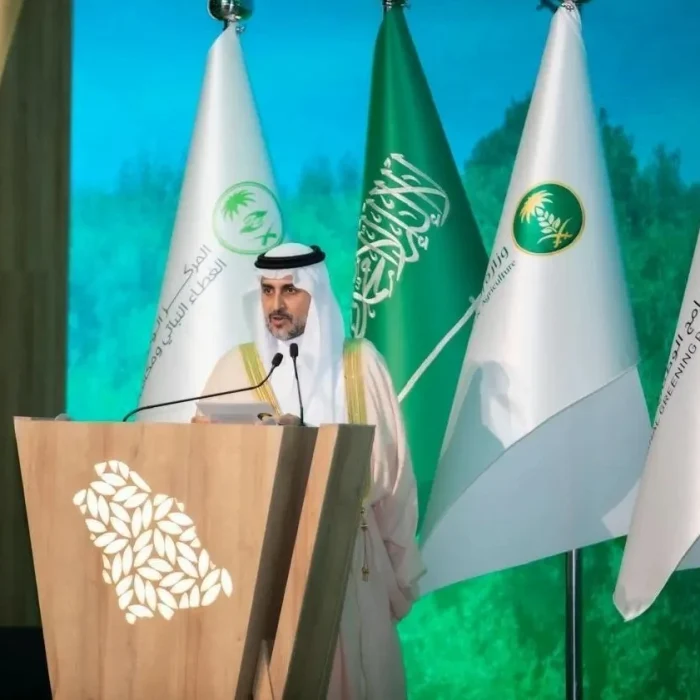



أطلقت وزارة البيئة والمياه والزراعة حراكاً توعوياً نوعياً يهدف إلى إعادة تشكيل الثقافة البيئية داخل المؤسسات التعليمية، مؤكدة أن تعزيز السلوكيات المستدامة لدى الطلاب والمعلمين لم يعد خياراً ترفيهياً، بل ضرورة ملحة لحماية الموارد الطبيعية. وتأتي هذه التحركات عبر مبادرة «زي ما يقول الكتاب»، التي تسعى لتحويل المدارس من مجرد مبانٍ تعليمية إلى بيئات مستدامة تتبنى الممارسات الصحية كجزء لا يتجزأ من الحياة اليومية.
سياق وطني ورؤية طموحة
لا يمكن فصل هذه المبادرة عن السياق العام للتحولات الكبرى التي تشهدها المملكة العربية السعودية، حيث يمثل الحفاظ على البيئة ركيزة أساسية في «رؤية المملكة 2030». وقد اكتسب هذا الملف زخماً هائلاً وتوجهاً استراتيجياً منذ إطلاق ولي العهد الأمير محمد بن سلمان لمبادرة «السعودية الخضراء»، التي تهدف إلى رفع الغطاء النباتي، وتقليل الانبعاثات الكربونية، ومكافحة التلوث. ومن هذا المنطلق، تأتي أهمية استهداف المدارس باعتبارها المحضن الأول للأجيال القادمة، لضمان نشأة جيل يعي مسؤولياته تجاه كوكب الأرض ومقدرات الوطن.
آليات التنفيذ وسلوكيات مستدامة
حددت الوزارة مجموعة من الإجراءات العملية الدقيقة لضمان نجاح المبادرة، متجاوزة الشعارات النظرية إلى التطبيق الفعلي. وشملت التوجيهات ضبط درجات حرارة الفصول بين 20 و25 درجة مئوية، والحفاظ على مستويات رطوبة بين 40 و60%، بالإضافة إلى ترشيد استهلاك الورق عبر الطباعة على الوجهين، والفرز الدقيق للنفايات. كما ركزت المبادرة على كفاءة الطاقة من خلال إغلاق أجهزة التكييف والحواسيب عند عدم الحاجة، وتنظيف الفلاتر بانتظام، مما يعكس نهجاً شاملاً لإدارة الموارد داخل البيئة المدرسية.
دور المؤسسة التعليمية والمجتمع
أوضح الدكتور الرمضي قاعد الصقري، مدير عام الإدارة العامة لمنظمات القطاع غير الربحي بالوزارة، أن نجاح المبادرة يكمن في دمجها ضمن الحصص الدراسية والأنشطة اللاصفية، لتصبح ممارسة حياتية وليست مجرد حملة عابرة. وفي السياق ذاته، أشار الدكتور سعد عايض العتيبي، أستاذ علم البيئة، إلى تجربة «المدارس المستدامة» التي طُبقت في محافظة الطائف، والتي حققت وفراً في فواتير الطاقة والمياه وصل إلى 40% في تجارب دولية مماثلة، مؤكداً على ضرورة تكامل الجهود بين الأسرة والمدرسة لتحقيق الأهداف المرجوة.
الأثر المتوقع ومستقبل الاستدامة
من المتوقع أن يُحدث هذا الحراك تأثيراً طويل الأمد يتجاوز أسوار المدرسة؛ فغرس القيم البيئية في سن مبكرة يسهم في تخريج جيل يمارس الاستدامة بشكل تلقائي، مما ينعكس إيجاباً على الاقتصاد الوطني عبر خفض الهدر في الطاقة والمياه. كما يعزز هذا التوجه مكانة المملكة دولياً كدولة رائدة في مجال العمل المناخي والتنمية المستدامة، حيث يصبح الطالب سفيراً للبيئة في منزله ومجتمعه، ناقلاً للخبرات والممارسات الصحيحة التي اكتسبها، وهو ما أكده عدد من التربويين وأولياء الأمور الذين شددوا على أهمية القدوة الحسنة والشراكة المجتمعية لإنجاح هذه الجهود الوطنية.