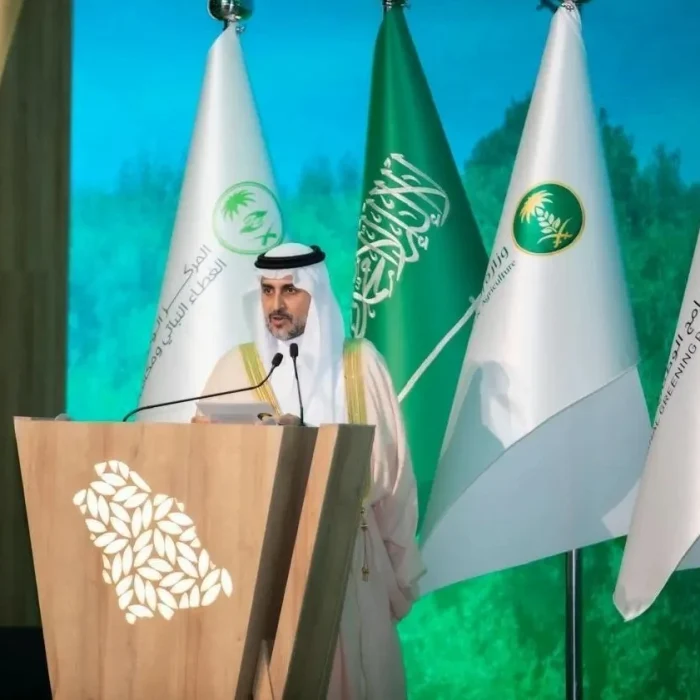



برعاية صاحب السمو الملكي الأمير سعود بن نايف بن عبدالعزيز، أمير المنطقة الشرقية، دشّن صاحب السمو الملكي الأمير سعود بن بندر بن عبدالعزيز، نائب أمير المنطقة الشرقية، وبحضور صاحب السمو الملكي الأمير سعود بن طلال بن بدر، محافظ الأحساء، فعاليات النسخة الثالثة من مهرجان البشت الحساوي. ويُقام هذا الحدث الثقافي البارز بتنظيم من هيئة التراث في موقع “قصر إبراهيم” التاريخي بمحافظة الأحساء، ويستمر لمدة 11 يومًا بدءًا من 28 يناير، وسط مشاركة دولية واسعة واهتمام كبير من المهتمين بالتراث والصناعات اليدوية.
الأحساء.. عاصمة الحرف اليدوية والتراث الأصيل
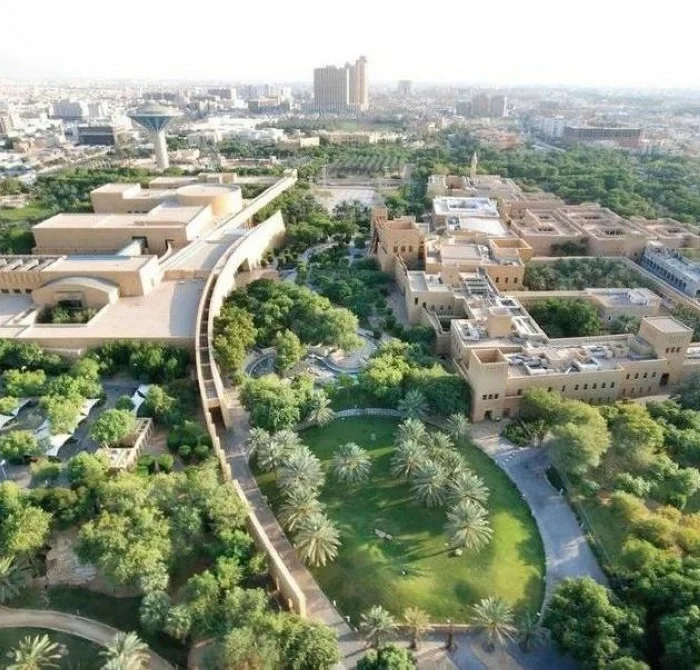
تأتي إقامة هذا المهرجان في محافظة الأحساء تأكيدًا على مكانتها التاريخية العريقة كواحدة من أهم حواضن التراث في المملكة والمنطقة، حيث تشتهر الأحساء عالميًا بصناعة البشوت التي توارثتها الأجيال عبر قرون. ولا يقتصر المهرجان على كونه حدثًا احتفاليًا فحسب، بل يمثل منصة استراتيجية لتعزيز الاقتصاد الثقافي ودعم الحرفيين المحليين، مما يساهم في استدامة هذه الحرفة التقليدية وحمايتها من الاندثار. وقد أكد نائب أمير المنطقة الشرقية أن المهرجان يُجسد قيمة التراث الوطني كعنصر حي في الهوية الثقافية للمملكة، مشيرًا إلى العمق الحضاري للأحساء الذي جعلها وجهة مثالية لمثل هذه الفعاليات ذات البعدين المحلي والدولي.
صور الملوك وولي العهد تزين “رحلة البشت”
خلال جولته في أروقة المهرجان، زار سمو نائب أمير المنطقة الشرقية قاعة “رحلة البشت”، التي تعد إحدى أبرز محطات المهرجان، حيث اطلع على معرض صور نادرة وتاريخية تظهر ملوك المملكة العربية السعودية وهم يرتدون البشت الحساوي، بدءًا من الملك المؤسس عبدالعزيز بن عبدالرحمن آل سعود -رحمه الله-، مرورًا بأبنائه الملوك سعود وفيصل وخالد وفهد وعبدالله -رحمهم الله-. كما تضمن المعرض صورًا لخادم الحرمين الشريفين الملك سلمان بن عبدالعزيز، وصاحب السمو الملكي الأمير محمد بن سلمان بن عبدالعزيز، ولي العهد رئيس مجلس الوزراء، مما يعكس اهتمام القيادة الرشيدة بهذا الموروث الأصيل والاعتزاز به كرمز للوجاهة والهوية الوطنية. وقد شاهد سموه دقة وحرفية بشت الملك المؤسس، الذي يُعد نموذجًا فريدًا للجودة التي تميزت بها الأحساء منذ القدم.
مشاركة دولية واسعة وفعاليات ثقافية متنوعة
يتميز المهرجان في نسخته الثالثة بانفتاحه على المحيط الإقليمي، حيث التقى سمو الأمير سعود بن بندر بن عبدالعزيز بعدد من كبار تجار البشوت القادمين من دول شقيقة تشمل الكويت، وقطر، والبحرين، والأردن، والعراق، وسوريا. وتضمن المهرجان أجنحة متنوعة، منها جناح المعهد الملكي للفنون التقليدية (ورث) الذي يقدم ورشًا تدريبية متخصصة، وجناح “بيت الدفة” للعباءة النسائية التقليدية. كما يولي المهرجان اهتمامًا خاصًا بالنشء من خلال ركن “المعزب الصغير”، الذي يهدف لغرس حب التراث في نفوس الأطفال وتعريفهم ببروتوكولات ارتداء البشت وطرق صناعته، بالإضافة إلى تجارب غامرة تنقل الزوار إلى أجواء الماضي العريق.
بعد عالمي واعتراف دولي بالتراث السعودي
يأتي تنظيم هذا المهرجان في سياق الجهود الحثيثة التي تبذلها هيئة التراث للاحتفاء بالعناصر الثقافية للمملكة، وتماشيًا مع مستهدفات رؤية السعودية 2030 في تعزيز الهوية الوطنية. ويُعد هذا الحدث أول فعالية وطنية تحتفي بالبشت الحساوي عقب إعلان منظمة اليونسكو إدراجه ضمن القائمة التمثيلية لعناصر التراث الثقافي غير المادي، وهو إنجاز يعكس القيمة العالمية لهذا الإرث. ويقدم المهرجان لزواره يوميًا من الرابعة عصرًا وحتى الحادية عشرة مساءً باقة ثرية من العروض المسرحية، والفنون الأدائية الشعبية مثل العرضة والسامري والخماري، إلى جانب ورش عمل تفاعلية تتيح للجمهور التعرف على أنواع البشوت، وخاماتها، وأندر ألوانها، وبروتوكولات ارتدائها الرسمية.