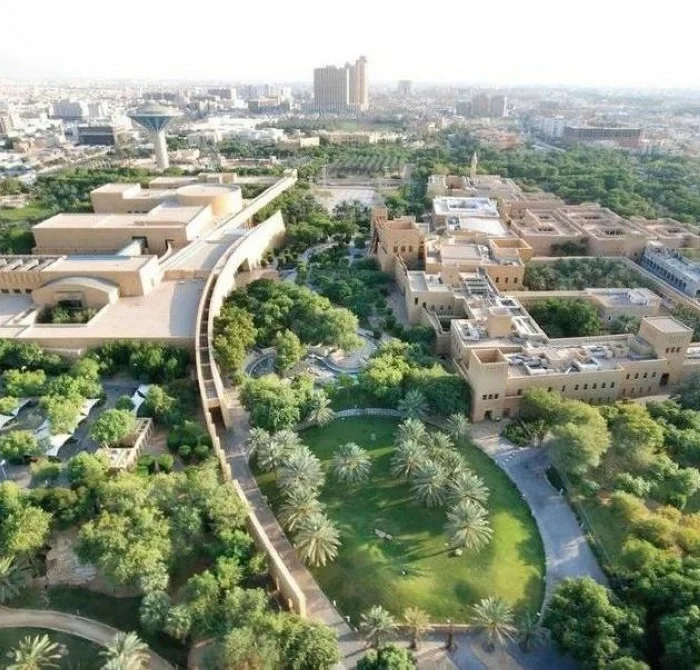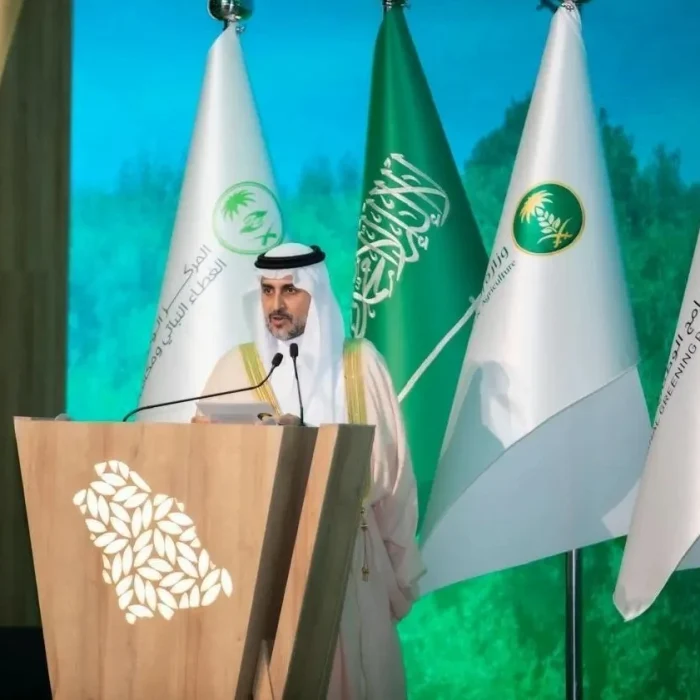



أكدت المملكة العربية السعودية التزامها الراسخ بقيادة الجهود الإقليمية لحماية البيئة، معلنةً عن انطلاق المرحلة التنفيذية لمبادرة الشرق الأوسط الأخضر، وذلك خلال الاجتماع الثاني للمجلس الوزاري للمبادرة الذي عُقد في مدينة جدة. وتأتي هذه الخطوة تتويجاً للعمل الدؤوب والتنسيق المشترك بين الدول الأعضاء، بهدف التصدي لتحديات التغير المناخي، ومكافحة التصحر، وتنمية الغطاء النباتي في المنطقة.
سياق المبادرة ورؤية القيادة السعودية
تكتسب هذه التحركات أهمية استراتيجية بالغة، حيث تأتي استكمالاً للرؤية الطموحة التي أطلقها ولي العهد رئيس مجلس الوزراء الأمير محمد بن سلمان بن عبدالعزيز آل سعود عام 2021. وقد هدفت المبادرة منذ يومها الأول إلى رسم خارطة طريق إقليمية واضحة المعالم لتقليل الانبعاثات الكربونية، وزراعة 50 مليار شجرة في الشرق الأوسط، وهو ما يمثل 5% من المستهدف العالمي للتشجير. ويعكس الدعم المستمر من خادم الحرمين الشريفين الملك سلمان بن عبدالعزيز وسمو ولي العهد، حرص المملكة على وضع الحلول البيئية المستدامة على رأس أولويات الأجندة السياسية والاقتصادية للمنطقة.
مخرجات الاجتماع الوزاري في جدة
شهد الاجتماع الذي ترأسه وزير البيئة والمياه والزراعة المهندس عبدالرحمن الفضلي، مشاركة واسعة من 30 دولة عضوة من قارتي آسيا وأفريقيا، بالإضافة إلى المملكة المتحدة بصفة مراقب. وقد دعا الوزير الفضلي إلى ضرورة مضاعفة الجهود لإعادة تأهيل الأراضي المتدهورة، مشيراً إلى الفوائد الاقتصادية والاجتماعية التي ستعود على شعوب المنطقة جراء هذه المشاريع.
وأشاد المجلس بالخطوات الملموسة التي تحققت، حيث تم اعتماد مستهدفات وطنية لزراعة أكثر من 37 مليار شجرة، وإعادة تأهيل 92 مليون هكتار من الأراضي. وحتى الآن، نجحت الدول الأعضاء في زراعة أكثر من 3.5 مليار شجرة وتأهيل 550 ألف هكتار، مما يؤكد الجدية في التنفيذ والقدرة على تحويل الالتزامات إلى واقع ملموس.
توسع العضوية والشراكات الاستراتيجية
في خطوة تعكس الزخم الدولي المتزايد حول المبادرة، رحب المجلس الوزاري بانضمام أعضاء جدد شملوا جمهورية غانا، وسيراليون، وسريلانكا، والجمهورية العربية السورية، ليرتفع عدد الدول الأعضاء الإقليمية إلى 34 دولة. كما تم اعتماد 35 منظمة ومؤسسة دولية كشركاء فنيين وماليين، مما يعزز من قدرة المبادرة على حشد الموارد والخبرات اللازمة.
وعلى الصعيد المالي، تم توقيع اتفاقية محورية مع البنك الإسلامي للتنمية لإدارة صندوق المبادرة، وهي خطوة أساسية لضمان استدامة تمويل المشاريع البيئية خلال المرحلة التنفيذية المقبلة.
التكامل مع الجهود الدولية ومؤتمرات المناخ
ربط المجلس الوزاري بين أهداف المبادرة والنجاحات التي حققتها المملكة خلال استضافتها لمؤتمر الأطراف (COP16) في الرياض، والذي شكل منعطفاً تاريخياً في جهود مكافحة التصحر. وأكد المجلس دعمه لمخرجات “إعلان الرياض” والمبادرات المنبثقة عنه، مثل “شراكة الرياض العالمية لتعزيز القدرة على مواجهة الجفاف”.
كما نوه المجلس بالتكامل بين المبادرات الإقليمية والدولية، مشيداً بالدور الذي ستلعبه البرازيل في (COP30) ومبادرات استعادة الأراضي العالمية. ويأتي هذا التناغم ليؤكد أن مبادرة الشرق الأوسط الأخضر ليست مجرد مشروع إقليمي، بل هي ركيزة أساسية في منظومة العمل المناخي العالمي، تهدف إلى حماية كوكب الأرض وضمان مستقبل أكثر اخضراراً للأجيال القادمة.