


تشهد المملكة العربية السعودية في السنوات الأخيرة حراكاً سينمائياً غير مسبوق، يمكن وصفه بأنه “موسم هجرة” لصناع السينما ونجوم هوليوود نحو الأراضي السعودية. هذا التوجه ليس مجرد زيارات عابرة أو مشاركات شرفية في المهرجانات، بل يمثل تحولاً استراتيجياً في خريطة الإنتاج السينمائي العالمي، حيث باتت المملكة لاعباً أساسياً وشريكاً منقذاً لصناعة تعاني من تحديات تمويلية وإبداعية عالمياً.
السياق العام: من رفع الحظر إلى الشراكة العالمية
لفهم هذا التحول، يجب العودة إلى عام 2018، وهو العام المفصلي الذي شهد إعادة افتتاح دور السينما في السعودية ضمن برامج “رؤية 2030”. لم تكتفِ المملكة بفتح السوق للاستهلاك السينمائي، بل أسست هيئة الأفلام السعودية وأطلقت استراتيجيات طموحة لتوطين الصناعة. هذا الانفتاح جاء في وقت كانت فيه هوليوود تبحث عن أسواق جديدة ومصادر تمويل بديلة، بالإضافة إلى مواقع تصوير بكر لم تستهلكها العدسات من قبل، مما خلق نقطة التقاء مثالية بين الطرفين.
الحوافز المالية: المغناطيس الأقوى للمنتجين
أحد أهم العوامل التي جذبت استوديوهات هوليوود هو برنامج الحوافز الذي أعلنته السعودية، والذي يقدم استرداداً مالياً (Cash Rebate) يصل إلى 40% من نفقات الإنتاج للأفلام التي يتم تصويرها داخل المملكة. هذا الحافز يعتبر من بين الأكثر تنافسية على مستوى العالم، مما دفع منتجين عالميين لنقل معداتهم إلى مواقع مثل “نيوم” و”العلا”. وقد أثمر ذلك عن تصوير أفلام ضخمة مثل فيلم “قندهار” للنجم جيرارد بتلر، وفيلم “محارب الصحراء”، مما يؤكد الجدوى الاقتصادية لهذه الشراكات.
العلا ونيوم: استوديوهات طبيعية مفتوحة
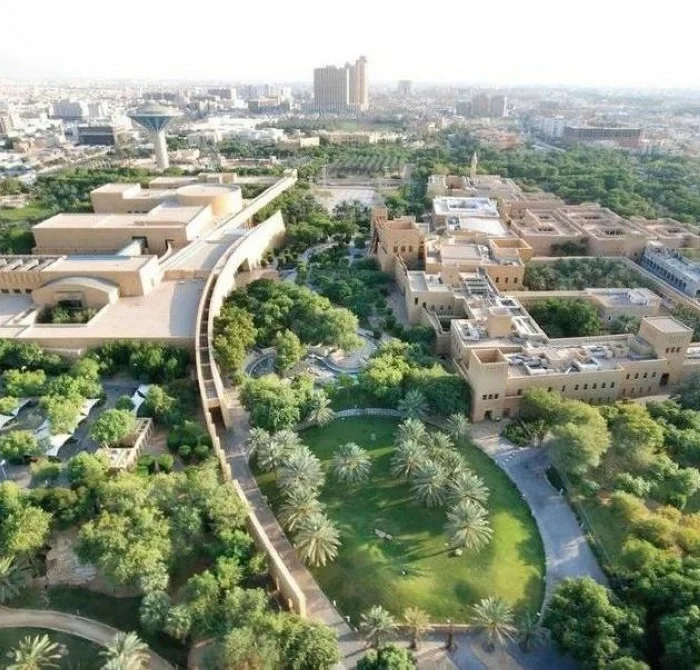
لم يعد الأمر يقتصر على التمويل فحسب، بل إن الجغرافيا السعودية المتنوعة قدمت حلولاً بصرية مذهلة للمخرجين. منطقة “العلا” بآثارها التاريخية وتضاريسها الفريدة، ومدينة “نيوم” بطابعها المستقبلي، وفرتا بيئات تصوير تغني عن المؤثرات البصرية المكلفة. هذه المواقع جذبت اهتمام كبار المخرجين الذين يبحثون عن التجديد البصري بعيداً عن الاستوديوهات المغلقة التقليدية في لوس أنجلوس.
مهرجان البحر الأحمر: جسر التواصل الثقافي
لعب مهرجان البحر الأحمر السينمائي الدولي دوراً محورياً في ترسيخ هذه العلاقة، حيث تحول إلى منصة سنوية تجمع نجوم الصف الأول مثل جوني ديب، ويل سميث، وشارون ستون بصناع القرار في المنطقة. المهرجان لا يحتفي فقط بالأفلام، بل يعقد صفقات إنتاجية ويؤسس لصناديق دعم مشتركة، مما يعزز من مكانة السعودية كمركز ثقل سينمائي في الشرق الأوسط.
الأثر الاقتصادي والثقافي المتوقع
إن هذا التعاون المتنامي يحمل أبعاداً تتجاوز الشاشة الفضية؛ فهو يساهم بشكل مباشر في تنويع الاقتصاد السعودي عبر خلق آلاف الوظائف في القطاع الإبداعي والسياحي، ونقل الخبرات التقنية العالمية للكوادر السعودية الشابة. دولياً، يساهم هذا الحراك في تغيير الصورة النمطية عن المنطقة، ويضع السعودية على خارطة السياحة والترفيه العالمية، مما يجعل من هذه “الهجرة الهوليوودية” شراكة رابحة للطرفين ومحركاً لنمو القطاع السينمائي عالمياً.