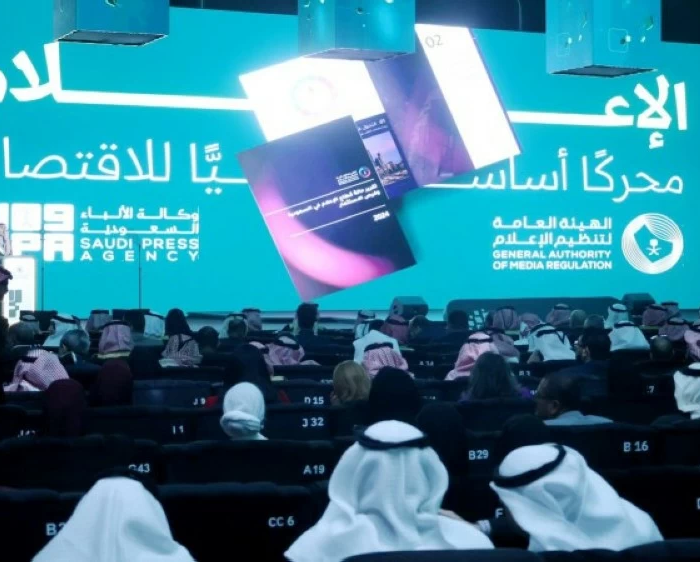



In light of rapid global economic transformations, Arab-African integration has emerged as a pressing strategic necessity for promoting sustainable development and achieving self-sufficiency in vital sectors. Recent economic discussions have underscored the importance of unifying efforts between Arab and African companies, not only to increase trade volume but also to create an integrated economic system based on innovation and knowledge.
Strengthening strategic partnerships and investment
Experts and specialists, including Al-Timsah, explained that the current focus is on maximizing the benefits of high-quality projects that possess the elements of sustainability. This approach aims to build effective and robust communication bridges between investors in Egypt and Saudi Arabia and their African hinterland. These steps come within a historical and geographical context that necessitates cooperation among the countries of the region to confront global economic challenges, as the African continent represents a promising food basket and a huge consumer market, while the Arab countries possess the expertise and capital necessary for development.
Joint Innovation and Digital Infrastructure Initiative
In a practical step towards the future, recent meetings resulted in the launch of the “Co-Innovation” initiative. This ambitious initiative aims to encourage startups and entrepreneurs to develop smart technological solutions that serve the trade, industry, and agriculture sectors. This comes in parallel with an emphasis on the need for significant investments in digital infrastructure, specifically in 5G networks and advanced information technologies, which are the backbone of the modern digital economy.
To ensure the success of this initiative, an advisory council was announced, comprising a select group of experts and investors, to monitor the implementation of partnerships and ensure their quality, in addition to providing the necessary funding for research and development centers, thereby enhancing confidence in local talent and localizing technology.
Alignment with Saudi Vision 2030 and food security
Economic events focused on the objectives of Saudi Vision 2030, launched by Crown Prince Mohammed bin Salman, particularly concerning food security, a global concern. Experts emphasized that achieving this security requires more than just increased production; it necessitates a fundamental shift towards safe agricultural practices that minimize the use of chemicals and toxic pesticides, which studies have shown to have serious long-term negative impacts on public health, the environment, and soil.
The shift towards organic and safe agriculture
Data and field studies, spanning over 20 years and encompassing trials both within and outside Egypt, indicate the feasibility of relying entirely on scientifically produced, chemical-free alternatives. These alternatives have proven their effectiveness and safety for human health, with laboratory analyses confirming the products are free of toxins and harmful residues.
In closing, the Union announced its intention to expand its investments in Saudi Arabia, Egypt, and other African countries by establishing factories to produce natural organic compounds derived from plants, oils, and amino acids. These products will contribute to pest control and plant nutrition through safe methods, thereby improving the quality of agricultural production, reducing operating costs for farmers, and opening new avenues for marketing Arab and African agricultural products in global markets according to the highest standards of safety and sustainability.