


مواجهة التحديات الفكرية في عالم متغير
في كلمة هامة ألقيت في المؤتمر السنوي الثامن والثلاثين لمسلمي أمريكا اللاتينية ودول البحر الكاريبي، أكد وزير الشؤون الإسلامية والدعوة والإرشاد السعودي، الدكتور عبداللطيف آل الشيخ، على أن العالم يشهد تحولات كبرى وتغيرات متسارعة، أفرزت تحديات فكرية وأخلاقية جسيمة. وأوضح أن هذه التحولات صاحبها تصاعد ملحوظ في الخطابات المتطرفة التي تدعو إلى الغلو والتكفير، وفي المقابل، انتشار لدعوات الإلحاد والانحلال الأخلاقي، مما يضع الشباب المسلم في مواجهة مباشرة مع أفكار تهدد هويتهم وعقيدتهم.
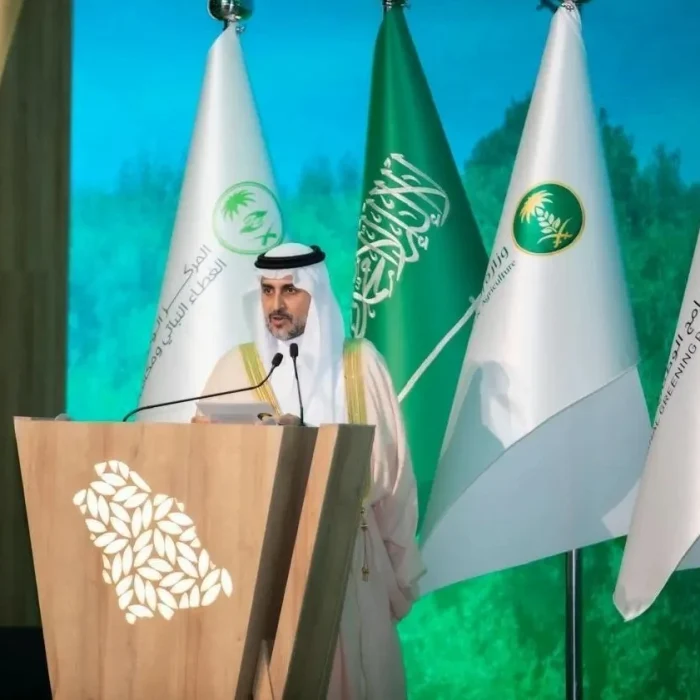
جاءت كلمة الوزير، التي ألقاها نيابة عنه وكيل الوزارة للشؤون الإسلامية الدكتور عواد العنزي في مدينة ساوباولو البرازيلية، لتسلط الضوء على المسؤولية العظيمة الملقاة على عاتق العلماء والدعاة والمربين في تحصين عقول الشباب. وشدد على أن مرحلة الشباب، التي تمثل وقت التحصيل والجد، هي الأهم في بناء شخصية الفرد وتحديد مسار مستقبله، مؤكداً أن صلاحهم هو أساس صلاح الأمم ونهضتها.
السياق العالمي وأهمية المؤتمر
يأتي هذا المؤتمر في سياق عالمي يتسم بالانفتاح الرقمي الهائل، حيث أصبحت المنصات الرقمية والذكاء الاصطناعي أدوات رئيسية في تشكيل الوعي. هذا الواقع يفرض تحديات جديدة، إذ تُستخدم هذه التقنيات أحياناً لنشر الشبهات والأفكار الهدامة بسرعة غير مسبوقة. من هنا، تبرز أهمية انعقاد مثل هذه المؤتمرات الدولية التي تجمع قادة الفكر والباحثين لمناقشة سبل التعامل مع هذه المستجدات. إن اختيار عنوان “الشباب المسلم في عصر الذكاء الاصطناعي: آفاق وتحديات” يعكس وعياً عميقاً بضرورة مواكبة العصر واستخدام أدواته لخدمة قضايا الأمة، بدلاً من ترك الساحة للتأثيرات السلبية.
إن تأثير هذا الحدث لا يقتصر على المستوى المحلي في البرازيل، بل يمتد إقليمياً ودولياً، حيث يوفر منصة لتبادل الخبرات بين المجتمعات المسلمة، خاصة الأقليات التي تسعى للحفاظ على هويتها مع الاندماج الإيجابي في مجتمعاتها. ومن المتوقع أن تساهم مخرجات المؤتمر في رسم خارطة طريق عملية للدعاة والمؤسسات الإسلامية حول العالم لكيفية توظيف التقنية في تعزيز القيم الإسلامية السمحة.
النموذج السعودي: توازن بين الأصالة والمعاصرة
استعرض آل الشيخ التجربة الريادية للمملكة العربية السعودية، بقيادة خادم الحرمين الشريفين الملك سلمان بن عبدالعزيز وولي العهد الأمير محمد بن سلمان، كنموذج يحتذى به في الموازنة بين التمسك بالثوابت الدينية والأخذ بأسباب التطور. وأشار إلى أن المملكة قامت على منهج الوسطية والاعتدال وتحكيم الكتاب والسنة، مما جعلها حصناً منيعاً ضد الأفكار المتطرفة. وفي الوقت نفسه، كانت من أوائل الدول التي أدركت أهمية الذكاء الاصطناعي، فأنشأت الهيئة السعودية للبيانات والذكاء الاصطناعي (سدايا) لقيادة التوجه الوطني في هذا المجال الحيوي، وأطلقت مبادرات طموحة مثل “مليون سعودي للذكاء الاصطناعي – سماي” لتأهيل جيل متمكن من مهارات المستقبل، وذلك ضمن مستهدفات رؤية 2030.
توصيات لمستقبل الشباب المسلم
واختتم الوزير كلمته بالتأكيد على أن التمسك بالعقيدة الصحيحة المبنية على فهم وسطي للإسلام هو أساس العزة والرفعة. وأعرب عن أمله في أن يخرج المؤتمر بتوصيات عملية تسهم في تمكين الشباب المسلم من مواجهة التحديات الفكرية، ورفع وعيهم للاستفادة المثلى من تقنيات الذكاء الاصطناعي، وتوظيفها في خدمة العلم الشرعي والدعوة إلى الله بالحكمة والموعظة الحسنة. كما وجه شكره لمركز الدعوة الإسلامية في أمريكا اللاتينية والبحر الكاريبي على تنظيم هذا الحدث الهام، الذي يمثل خطوة ضرورية نحو بناء مستقبل أكثر إشراقاً للشباب المسلم في جميع أنحاء العالم.