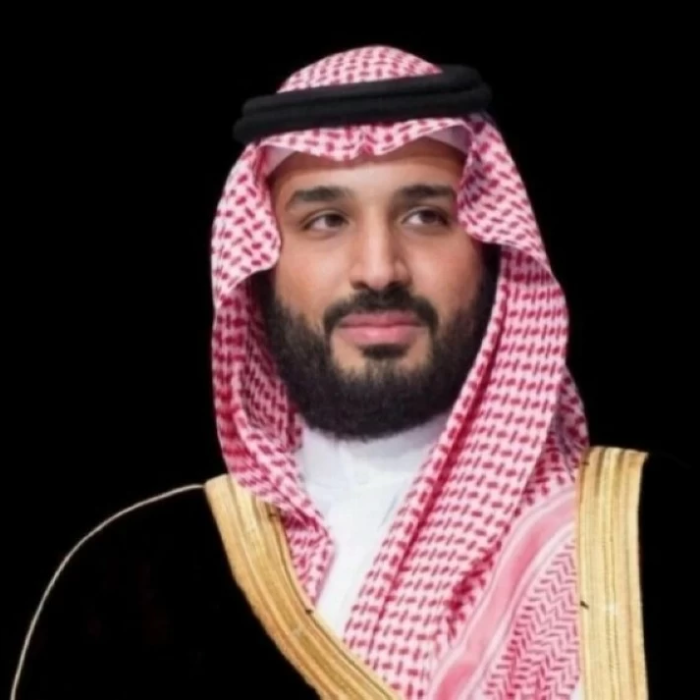



The Kingdom of Saudi Arabia continues to enhance its investment in human capital in various disciplines, through the Custodian of the Two Holy Mosques Scholarship Program strategy launched by Crown Prince and Prime Minister Prince Mohammed bin Salman bin Abdulaziz on March 7, 2022, which launched a new phase of quality scholarships, as the number of Saudi scholarship recipients in the Pioneers and Excellence tracks to elite international universities has doubled, reaching 1,165 scholarship recipients in the top 30 universities according to the Shanghai Ranking, in line with the objectives of the Kingdom’s Vision 2030 for developing human capabilities.
Dr. Tahani bint Abdulaziz Al-Baiz, the Saudi Cultural Attaché in the United States and Canada, who oversees South American countries, said: “The growing Saudi presence in elite American universities is one of the most prominent outcomes of this new phase of scholarships.”.
From numerical to qualitative expansion
, she pointed out that the Kingdom today occupies the second position in the number of international students at the undergraduate level at the Massachusetts Institute of Technology (MIT), which ranks first among the best universities in the world in the QS ranking, in addition to the spread of Saudi students in prestigious universities such as Harvard, Stanford, California at Berkeley, Princeton, Johns Hopkins and other top universities in the world, stressing that this concentration in leading educational and research institutions moves scholarships from numerical expansion to qualitative scholarships that focus on leading universities of knowledge and innovation, and contributes to preparing national cadres capable of serving the objectives of the Kingdom’s Vision 2030 in various sectors.
She explained that the number of Saudi students studying in American universities currently stands at 14,037 male and female students in various disciplines, noting that the Saudi Cultural Attaché in the United States, which was established in 1951, has evolved from supervising a limited number of students to, in recent times, managing the largest Saudi scholarship movement, with the number of its beneficiaries at one time exceeding 170,000 scholarship recipients, to be the main bridge between American universities and educational and research institutions in the Kingdom.
Al-Baze emphasized that these achievements are an extension of Saudi-American relations that extend for more than 8 decades of cooperation and mutual understanding, since the historic meeting between the founding King Abdulaziz bin Abdulrahman (may God have mercy on him) and former US President Franklin Roosevelt in 1945, when a strategic partnership was formed based on mutual respect and common interests, and contributed to enhancing security and stability in the region and the world, noting that educational and research cooperation is today one of the pillars of this partnership.
She added that institutional cooperation between Saudi and American universities currently includes approximately 89 agreements, memoranda of understanding, executive programs, and service contracts, in addition to more than 100 medical training contracts for fellowships and subspecialties signed in the last three years alone, including 38 contracts in the first half of 2025. All of these are under the supervision of the Cultural Attaché, ensuring the sustainability of high-quality training opportunities and directly linking them to the needs of national sectors in the Kingdom.
The health sector is the most benefiting track.
Al-Bazee explained that the health sector is one of the sectors that benefited most from this new phase of scholarships, indicating that the total number of Saudi doctors and health practitioners on scholarships and graduates in the United States of America and Canada during the period from 2020 to 2025 amounted to 8036 doctors and scholarship recipients, including 6052 in the United States and 1984 in Canada.
The number of graduates has recorded remarkable growth, as the number of graduates of health programs in Canada has risen to 606, expected to graduate in 2025, compared to 170 graduates in 2020, an increase of nearly 256%, while the number of graduates in the United States has reached 1,847 expected graduates for 2025, an increase of nearly 62% compared to 1,140 graduates in 2020, reflecting the accelerating pace of training national health personnel in specialized fields.
She pointed out that this numerical expansion is supported by increasing financial investments in advanced medical training; as the Kingdom’s investments in medical training in the United States for the years 2023-2025 amounted to about $21,215,512.49, distributed as $5,296,294.30 in 2023, $7,661,849.77 in 2024, and $8,257,368.42 in 2025, stressing that these figures reflect a strategic decision to invest in long-term clinical and research training, and not just temporary programs.
Al-Baze added that this growth in the number of doctors and health practitioners was accompanied by a qualitative expansion in the network of academic and medical partnerships, as Saudi doctors today are linked to training and fellowship programs in elite American centers and universities, such as: Boston Children's Hospital, Mayo Clinic, Cleveland Clinic, Johns Hopkins University, Children's Hospital of Philadelphia, Memorial Sloan Kettering Cancer Center, Baylor College of Medicine, University of Pennsylvania, Washington University in St. Louis, University of Washington, University of Michigan in Ann Arbor, Emory University (Emory Eye Center), University of Arizona, University of Wisconsin, Icahn School of Medicine at Mount Sinai, University of California, San Diego, and other leading institutions, indicating that these partnerships are not limited to advanced clinical training only, but extend to include research supervision and participation in multidisciplinary scientific teams, which enhances the transfer of knowledge and experience to the health system in the Kingdom.
Speaking about the factors that contributed to the increase in the number of doctors sent to the United States for training, the cultural attaché explained that the wise leadership’s support for the health and human capacity development sectors represented the first basis for this leap, through continuous guidance to provide global training opportunities that contribute to raising the readiness of the Saudi health system, and linking scholarships to the comprehensive transformation in the health sector and quality of life.
She explained that the expansion of training and fellowship programs, particularly in advanced specialties such as oncology, cardiac surgery, emergency medicine, infectious diseases, and critical care, resulted from collaborative institutional efforts between the Ministry of Education, the Ministry of Health, the Cultural Attaché, and relevant American entities. The Cultural Attaché successfully negotiated additional slots in accredited fellowship programs, enabling more Saudi physicians to enroll.
Strategic partnerships with American medical centers
She added that building strategic partnerships with major American medical centers, such as Cleveland Clinic, Mayo Clinic, Johns Hopkins, MD Anderson and others, has opened up broader horizons for accepting Saudi doctors into internationally recognized programs and raising the level of international recognition of the quality of Saudi medical outputs, noting that these partnerships are linked to clear goals related to transferring experience and knowledge and localizing specialized fields within the Kingdom.
Al-Baiz emphasized that the role of the Cultural Attaché was pivotal in this process, through facilitating access to appropriate programs, providing academic consultations to scholarship recipients, arranging meetings with health authorities and American universities, expediting procedures and overcoming obstacles, in addition to continuous monitoring of the scientific and professional performance of scholarship recipients, in order to ensure the highest possible return from every training opportunity.
Regarding how to deal with this success and ensure its continuity, the Cultural Attaché explained that work is underway to expand official agreements with American health institutions, through signing new memoranda of understanding, increasing training seats, and creating guaranteed admission pathways in critical specialties needed by the Saudi health sector, with these pathways being directly linked to employment plans and needs in hospitals and specialized centers within the Kingdom.
She added that the attaché also works to enhance the system of follow-up and support during training, by providing continuous academic and professional support, helping doctors overcome practical and cultural challenges, and monitoring scientific discipline, in addition to linking external training to the needs of the health system at home by identifying priority specialties and drawing clear career paths for returning and integrating into the health system after graduation.
Saudi success stories:
Al-Bazee pointed out the importance of highlighting Saudi success stories in these programs, and shedding light in the media on distinguished examples of Saudi doctors and researchers in American universities and centers, as an important means of motivating more students to pursue specialized health fields, and supporting the Kingdom’s image in international academic and research circles.
She added that the Ministry of Education, represented by the Cultural Attaché, attaches great importance to its relationship with American educational institutions based on the strategic relationship that has been built over 8 decades, stressing that the Crown Prince’s visit to Washington also highlights the educational and scientific dimension of Saudi-American relations, and enhances the Kingdom’s position as a key partner in building the knowledge economy and developing Saudi human capital at the highest global levels.
She added: “This year we have seen the licensing of two American universities to open branches in the Kingdom, namely the University of New Haven and Arizona State University, and this list will expand in the next phase. We will also witness the signing of a memorandum of understanding between the two countries in the field of education in the coming days.”.
She continued: “The Crown Prince’s visit carries messages of confidence and opens up broad horizons for cooperation in various fields, especially education. The visit represents a historic opportunity to build on the legacy of 8 decades of Saudi-American relations, consolidate the partnership based on mutual interests and maximize opportunities for sustainable growth. Through this visit, the Cultural Attaché affirms its commitment to effective communication with its partners, enhancing the international presence of Saudi education, continuing to work towards achieving the goals of Vision 2030, and building a better future based on innovation and impactful global partnerships.”.
The Saudi Cultural Attaché in the United States and Canada stressed that the visit is a strategic opportunity for the attaché to deepen cooperation with American academic institutions, and to invest in the future of Saudi education in a way that fulfills the aspirations of the wise leadership in enhancing the Kingdom’s educational and cultural presence, and strengthening academic cooperation ties between the Kingdom and the United States. The attaché, under the guidance of the Ministry of Education, is working to harness all capabilities to ensure the best educational and cultural outcomes accompanying the visit.
She concluded by emphasizing that the current numbers of scholarship recipients, especially doctors, reflect an advanced stage of transformation in the Saudi scholarship program and its shift towards focusing on building high-quality human capital in various vital sectors. She explained that continued investment in high-quality scholarships and expanding partnerships with prestigious universities and medical centers represent a guarantee for the sustainability of supplying the health system and the rest of the national sectors with highly qualified Saudi talents, which will positively impact the quality of life and services provided to citizens and residents within the objectives of the Kingdom’s Vision 2030 and the Human Capability Development Program.
The Kingdom of Saudi Arabia continues to enhance its investment in human capital across various disciplines through the strategy of the Custodian of the Two Holy Mosques Program for External Scholarships, launched by Crown Prince and Prime Minister Mohammed bin Salman bin Abdulaziz on March 7, 2022. This initiative has inaugurated a new phase of qualitative scholarships, as the number of Saudi scholars in the pathways of pioneers and excellence to elite global universities has doubled, reaching 1,165 scholars in the top 30 universities according to the Shanghai ranking, in alignment with the objectives of Saudi Vision 2030 for human capacity development.
The Saudi Cultural Attaché in the United States and Canada, supervising South American countries, Dr. Tahani bint Abdulaziz Al-Biz, stated: “The growing Saudi presence in elite American universities is one of the most prominent outcomes of this new phase of scholarships.”
From Quantitative Expansion to Qualitative
She indicated that the Kingdom currently ranks second in the number of international students at the undergraduate level at the Massachusetts Institute of Technology (MIT), which holds the first place among the best global universities in the QS ranking. Additionally, Saudi students are spread across prestigious universities such as Harvard, Stanford, the University of California, Berkeley, Princeton, Johns Hopkins, and other top universities worldwide. She emphasized that this concentration in leading educational and research institutions shifts scholarships from quantitative expansion to qualitative scholarships that focus on universities leading in knowledge and innovation, contributing to the preparation of national cadres capable of serving the objectives of Saudi Vision 2030 across various sectors.
She clarified that the number of Saudi students studying in American universities currently stands at 14,037 students across various disciplines, noting that the Saudi Cultural Attaché in the United States, established in 1951, has evolved from overseeing a limited number of students to managing the largest Saudi scholarship movement in recent times, with over 170,000 beneficiaries at one time, serving as the main bridge between American universities and educational and research institutions in the Kingdom.
Al-Biz affirmed that these achievements are a continuation of Saudi-American relations that have spanned more than eight decades of cooperation and mutual understanding, since the historic meeting between the founding King Abdulaziz bin Abdulrahman (may God have mercy on him) and former US President Franklin Roosevelt in 1945. This partnership is based on mutual respect and shared interests, contributing to enhancing security and stability in the region and the world, highlighting that educational and research cooperation is now one of the pillars of this partnership.
She added that institutional cooperation between Saudi and American universities currently includes about 89 agreements and memoranda of cooperation, as well as an executive program and service contracts, in addition to more than 100 contracts for medical training in fellowships and subspecialties signed in the past three years alone, including 38 contracts during the first half of 2025, all under the supervision of the Cultural Attaché, ensuring the sustainability of qualitative training opportunities and linking them directly to the needs of national sectors in the Kingdom.
The Health Sector is the Most Benefited Pathway
Al-Biz explained that the health sector is one of the most benefited pathways from this new phase of scholarships, indicating that the total number of Saudi doctors and health practitioners who have been sent abroad and graduated in the United States and Canada from 2020 to 2025 reached 8,036, including 6,052 in the United States and 1,984 in Canada.
The number of graduates has shown significant growth, with the number of health program graduates in Canada rising to 606, expected to graduate in 2025 compared to 170 graduates in 2020, reflecting an increase of approximately 256%. Meanwhile, the number of graduates in the United States is expected to reach 1,847 by 2025, an increase of about 62% compared to 1,140 graduates in 2020, reflecting the accelerated pace of qualifying national health cadres in specialized fields.
She pointed out that this numerical expansion is supported by increasing financial investments in advanced medical training; the Kingdom's investments in medical training in the United States for the years 2023-2025 amount to approximately $21,215,512.49, distributed as $5,296,294.30 in 2023, $7,661,849.77 in 2024, and $8,257,368.42 in 2025, confirming that these figures reflect a strategic decision to invest In long-term clinical and research training, not just temporary programmes.
Al-Biz added that this growth in the number of doctors and health practitioners has been accompanied by a qualitative expansion in the network of academic and medical partnerships, as Saudi doctors are now linked to training and fellowship programs at elite American centers and universities, such as Boston Children's Hospital, Mayo Clinic, Cleveland Clinic, Johns Hopkins University, Children's Hospital of Philadelphia, Memorial Sloan Kettering Cancer Center, Baylor College of Medicine, University of Pennsylvania, Washington University in St. Louis, University of Washington, University of Michigan in Ann Arbor, Emory University “Emory Eye Center,” University of Arizona, University of Wisconsin, Icahn School of Medicine at Mount Sinai, University of California, San Diego, and other leading institutions. She noted that these partnerships are not limited to advanced clinical training but extend to include research supervision and participation in multidisciplinary scientific teams, enhancing the transfer of knowledge and expertise to the health system in the Kingdom.
In discussing the factors that contributed to the increase in the number of doctors sent abroad to the United States, the Cultural Attaché explained that the support of the wise leadership for the health sector and human capacity development has been the primary foundation for this leap, through continuous directives to provide global training opportunities that contribute to enhancing the readiness of the Saudi health system, linking scholarships to the comprehensive transformation in the health sector and quality of life.
She clarified that the expansion of training and fellowship pathways, especially in advanced specialties such as oncology, cardiac surgery, emergency medicine, infectious diseases, and critical care, resulted from joint institutional work between the Ministry of Education, the Ministry of Health, the Cultural Attaché, and the relevant American entities. The Attaché was able to negotiate additional seats in accredited fellowship programs, allowing more Saudi doctors to join these programs.
Strategic Partnerships with American Medical Centers
She added that building strategic partnerships with major American medical centers, such as Cleveland Clinic, Mayo Clinic, Johns Hopkins, MD Anderson, and others, has opened broader horizons for accepting Saudi doctors into globally recognized programs and raised the level of international recognition of the quality of Saudi medical outputs, noting that these partnerships are linked to clear objectives related to transferring expertise and knowledge and localizing specialized fields within the Kingdom.
Al-Biz affirmed that the role of the Cultural Attaché has been pivotal in this path, facilitating access to suitable programs, providing academic consultations to scholars, arranging meetings with health entities and American universities, expediting procedures, and overcoming obstacles, along with continuous monitoring of the scientific and professional performance of scholars, ensuring the highest possible return from every training opportunity.
Regarding how to manage this success and ensure its continuity, the Cultural Attaché explained that work is underway to expand formal agreements with American health institutions by signing new memoranda of understanding, increasing training seats, and establishing guaranteed acceptance pathways in critical specialties needed by the Saudi health sector, directly linking these pathways to employment plans and needs in hospitals and specialized centers within the Kingdom.
She added that the Attaché is also working to enhance the follow-up and support system during training by providing continuous academic and professional support, helping doctors overcome practical and cultural challenges, monitoring scientific discipline, and linking external training to the needs of the health system domestically by identifying priority specialties and outlining clear career paths for reintegration into the health system after graduation.
Saudi Success Stories
Al-Biz highlighted the importance of showingcasing Saudi success stories in these programs and bringing media attention to the distinguished models of Saudi doctors and researchers in American universities and centers, as an important means to motivate more students to pursue specialized health disciplines and support the Kingdom’s image in international academic and research circles.
She added that the Ministry of Education, represented by the Cultural Attaché, places great importance on its relationship with American educational institutions based on the strategic relationship built over eight decades, emphasizing that the Crown Prince's visit to Washington also highlights the educational and scientific dimension of Saudi-American relations and enhances the Kingdom's position as a key partner in the knowledge economy and the development of Saudi human capital at the highest global levels.
She stated: “This year, we have witnessed the licensing of two American universities to open branches in the Kingdom, namely the University of New Haven and Arizona State University, with plans to expand this list in the coming phase. We will also witness the signing of a memorandum of understanding between the two countries in the field of education in the coming days.”
She continued: “The Crown Prince's visit carries messages of confidence and opens wide horizons for cooperation in various, especially education. It represents a historic to build on the legacy of eight decades of Saudi-American relations and to solidify the partnership based on mutual interests and maximize opportunities for sustainable growth. The Cultural Attaché confirms through this visit its commitment to effective communication with its partners, enhancing the international field presence of Saudi education, and continuing to work towards achieving the objectives of Vision 2030 and building a future based on innovation and better impact global partnerships.”
The Saudi Cultural Attaché in the United States and Canada emphasized that the visit is a strategic opportunity for the Attaché to deepen cooperation with American academic institutions and invest in the future of Saudi education to meet the aspirations of the wise leadership in enhancing the Kingdom’s educational and cultural presence and documenting academic cooperation relations between the Kingdom and the United States. The Attaché, under the guidance of the Ministry of Education, is working to harness all resources to the best educational and cultural outcomes accompanying the visit.
She concluded her remarks by affirming that the current numbers of scholars, especially doctors, reflect an advanced stage of transformation in the Saudi scholarship path, shifting focus to building qualitative human capital in various vital sectors. She clarified that the continued investment in qualitative scholarships and the expansion of partnerships with prestigious universities and medical centers represent a guarantee for the sustainability of providing the health system and other national sectors with highly qualified Saudi competencies, positively impacting the quality of life and services provided to citizens and residents within the objectives of Saudi Vision 2030 and the Human Capacity Development Program.