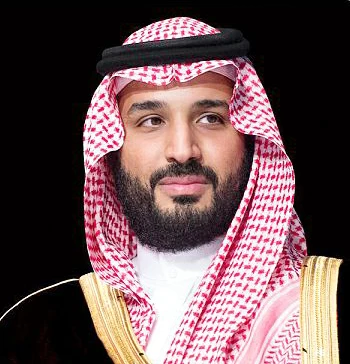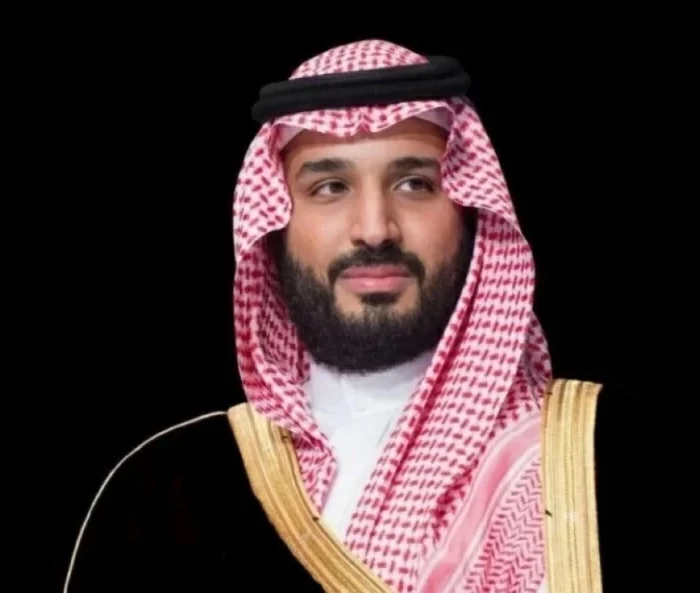



في مشهد نادر الحدوث داخل البيت الأبيض، ظهرت وحدات الخيالة الأمريكية أمام المدخل الجنوبي خلال استقبال ولي العهد الأمير محمد بن سلمان في واشنطن، في خطوة تُعد من أعلى درجات التكريم العسكري التي تقدمها الولايات المتحدة لزعيم أجنبي، وفق القواعد البروتوكولية الرسمية.
ويستند هذا النوع من المراسم إلى ما تعرفه الأوساط الدبلوماسية بـ «Full Honors Arrival Ceremony»، وهي أعلى فئة استقبال في البروتوكول الأمريكي، وتجمع بين: وحدة الخيالة، الحرس الشرفي، تشكيلات الأعلام، الفرقة الموسيقية العسكرية، السجاد الأحمر، مراسم الحديقة الجنوبية.
وتشير القوانين العسكرية الأمريكية (Army Regulation 600-25) و دليل مراسم وزارة الدفاع الأمريكية إلى أن مشاركة الخيالة محصورة في استقبال رؤساء الدول والشركاء الإستراتيجيين من الدرجة الأولى، بوصفها رمزًا إلى الاحترام والاعتراف بمكانة الضيف.
ولم يسبق للبيت الأبيض أن استخدم هذا القدر من الطقوس العسكرية إلا في زيارات معدودة لقادة يتمتعون بثقل عالمي. ويمثل ظهور الأعلام السعودية إلى جانب الخيالة الأمريكية رسالة واضحة بأن واشنطن تنظر إلى الرياض كقوة محورية في توازنات المنطقة، وكشريك لا يمكن تجاوزه في ملفات الأمن والطاقة والسياسة الدولية.
وتتوافق هذه المراسم مع ما توثّقه جمعية التاريخ الرئاسي الأمريكي التي تشير إلى أن الخيّالة تُستدعى في المناسبات ذات الأهمية الإستراتيجية الكبرى.
ويأتي هذا الاستقبال في ظل زيارة تحمل دلالات سياسية واقتصادية عميقة؛ إذ تعكس حضور ولي العهد في واشنطن بصفته قائدًا يعيد صياغة موقع السعودية في الخارطة الدولية، ويُنظر إليه داخل المملكة بوصفه قائد القرن الحديث وصاحب التحول الأوسع في تاريخ البلاد الحديث.
المشهد الذي جمع الخيالة، والأعلام، والحرس العسكري، وحضور الرئيس الأمريكي «تأكيد علني» لمكانة السعودية ودورها، ورسالة بأن العلاقة بين واشنطن والرياض تمتد في جذورها إلى أكثر من ثمانية عقود، منذ لقاء الملك عبدالعزيز والرئيس فرانكلين روزفلت عام 1945، وتستمر اليوم بزخم جديد.